






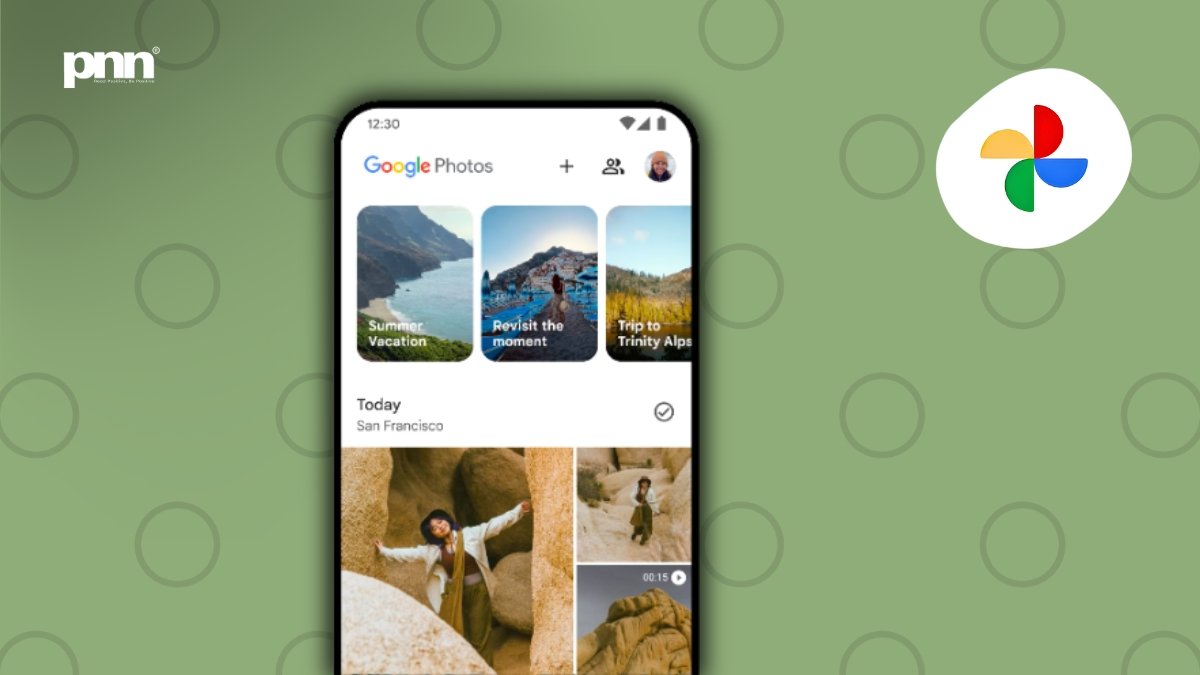
Mumbai (Maharashtra) [India], January 17: There’s something oddly poetic about Google Photos finally listening to its users. Not poetic in the grand, cinematic sense — more like a weary sigh of relief. After years of quietly hoarding our memories, sorting our lives into neat little timelines, and occasionally gaslighting us with “On This Day” reminders we didn’t emotionally consent to, Google Photos is reportedly preparing to roll out two features people have been asking for since… well, since smartphones learned how to record video.
Video playback speed controls.
Cleaner, less chaotic date separators.
No fireworks. No rebrand. Just the digital equivalent of tidying your room and learning basic manners. And honestly? That might be the most radical update yet.
This isn’t a flashy reinvention of cloud storage. It’s something far more human: a quiet acknowledgement that users don’t want more features — they want better ones.
The App That Knows Too Much About Us
Google Photos isn’t just an app anymore. It’s a personal archive, an emotional filing cabinet, and sometimes an unsolicited therapist. It stores first steps, last goodbyes, blurry concerts, accidental screenshots, and videos that absolutely did not need to be filmed in 4K.
With over one billion users globally and trillions of photos stored across its servers, Google Photos has become the default memory vault for modern life. That scale matters. When an app this ubiquitous tweaks even the smallest detail, it subtly reshapes how people interact with their past.
Which is why these upcoming changes — small on paper — feel oddly significant.
Video Playback Speed: Because Not Everything Needs To Be Watched At Normal Speed
Let’s address the obvious first.
Yes, users have been asking for video playback speed controls for years. Yes, rival apps figured this out ages ago. And yes, it’s mildly astonishing that a platform capable of facial recognition and AI-powered memory curation couldn’t let you watch a video at 1.5x speed.
But here we are.
The addition of variable playback speeds finally gives users agency over how they consume their own content. Long birthday videos? Faster. Accidentally recorded five minutes of the floor? Much faster. Emotional family moments you want to linger on? Slow it down.
It’s not just a convenience feature. It’s an acknowledgment that time matters — and not all memories deserve the same pacing.
Date Separators: Order In The Timeline Chaos
If you’ve ever scrolled through Google Photos and wondered why three different years seem emotionally adjacent, you’re not alone.
The reported cleanup of date separators aims to declutter timelines and make navigation less visually exhausting. Clearer breaks. More intuitive grouping. Less mental gymnastics when trying to locate that one photo from “sometime around last Diwali but not that Diwali.”
This matters more than it sounds. Digital clutter doesn’t just waste time — it drains attention. And in an era where attention is already under siege, small UX refinements carry outsized psychological weight.
Why These Updates Are Arriving Now (And Not Five Years Ago)
The timing isn’t accidental.
Google Photos has been slowly transitioning from a “wow, unlimited storage!” novelty to a subscription-driven service. Since ending unlimited free uploads, expectations have shifted. Paying users are no longer impressed by promises — they want polish.
And polish is exactly what these features represent.
This is Google Photos growing up. Less about showing off AI tricks, more about respecting user experience. Less “look what we can do,” more “sorry we didn’t do this sooner.”
The PR Angle: Listening Without Admitting Guilt
From a PR standpoint, these updates are elegantly understated. There’s no grand announcement positioning them as revolutionary. No apology tour for the years of user requests ignored.
Instead, it’s the classic tech move: quietly roll out improvements and hope people say, “Oh, finally,” instead of “Why did this take so long?”
And to be fair — it works.
The Slightly Uncomfortable Truth
Of course, there’s a flip side.
These features aren’t exactly groundbreaking. They don’t solve deeper concerns about privacy, data retention, or how much of our personal history one company should control. They don’t address lingering frustrations around storage limits, subscription tiers, or occasional algorithmic weirdness.
In other words, while Google Photos is learning to walk more gracefully, some users still want it to answer bigger questions about trust.
Pros And Cons, Without Sugarcoating
The Upside
Long-requested playback control finally arrives
Cleaner timelines reduce cognitive fatigue
Improved usability without feature bloat
Signals renewed focus on user-centric design
The Trade-Offs
Features feel overdue rather than innovative
Doesn’t address pricing or storage frustrations
Incremental updates may feel underwhelming to power users
Still heavily dependent on Google’s ecosystem
Both truths coexist — and pretending otherwise would be dishonest.
What This Says About Digital Memory In 2026
There’s a deeper cultural shift hiding beneath this update.
People are increasingly selective about how they revisit their past. Faster playback options and cleaner timelines suggest users want control, not nostalgia overload. They want to curate, not drown.
Google Photos‘ adaptation to this mindset hints at a future where digital memory tools are less about hoarding everything and more about intentional engagement.
Which is refreshingly mature, if a little late.
What Users Are Saying Right Now
Early reactions across tech communities suggest cautious optimism. Not excitement — relief. The kind that says, “About time,” rather than “Wow.”
And perhaps that’s the best response Google could hope for. When a product becomes this deeply embedded in daily life, the highest compliment isn’t awe. It’s trust.
What Comes Next (And What Should)
If Google Photos is truly entering its refinement era, users will likely expect:
Smarter manual organisation tools
Better video editing basics
More transparent storage management
Fewer algorithmic surprises
Small improvements build momentum — if they keep coming.