








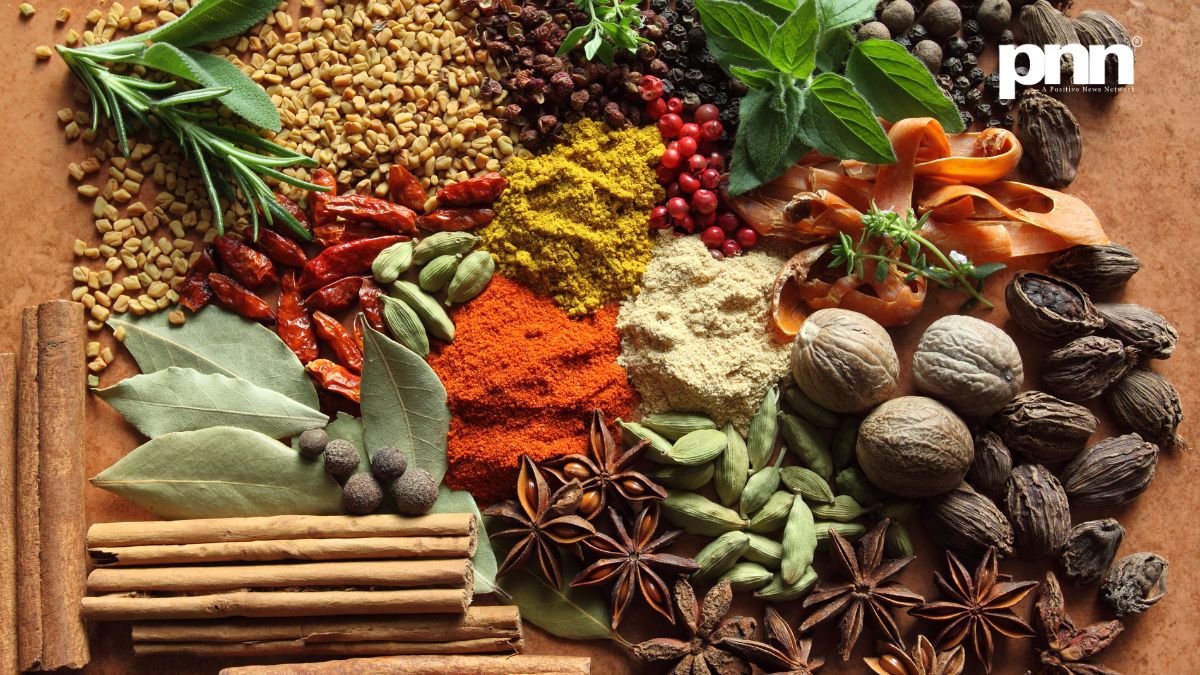
New Delhi [India], February 21: The History of Spices is not a culinary anecdote. It is a record of appetite weaponized.
Black pepper was never “just” a seasoning. In late medieval Europe it functioned as currency, dowry, tax payment, ransom. The small black bead—dried fruit of Piper nigrum—moved north from the Malabar Coast, through Arab brokers, across Venetian counting houses, into the damp storerooms of Bruges and London. It arrived already marked up, already mythologized. By the time it reached a European table, it had accumulated miles, tariffs, and violence.
That is the part people prefer to soften. They shouldn’t.
Long before European caravels edged into the Indian Ocean, spice routes were stable, sophisticated, and profitable. Arab merchants had no need for Iberian supervision. Indian growers did not require Portuguese correction. Yet in 1498, when Vasco da Gama reached Calicut, it was framed as discovery. Discovery for whom? The pepper vines were not hiding. The market was not secret. What da Gama found was not spice. He found a trade he could not control—and decided that would change.
Within decades, the Portuguese Estado da Índia had fortified choke points from Goa to Malacca. Pepper ships sailed under cannon. Cinnamon forests in Ceylon were catalogued and coerced. The violence was administrative before it was theatrical. Cartaz passes. Naval patrols. Blockades. Modernity smells faintly of gunpowder and clove oil.
Cinnamon is instructive. For centuries Europeans believed it grew in Arabia, guarded by winged beasts, harvested by daring tricksters. That fantasy was commercially useful. The truth—carefully tended groves in Sri Lanka—was less romantic and more dangerous. Once the Portuguese identified the source, they imposed extraction quotas on local labor. Later, the Dutch perfected the system. The spice tree became a ledger entry.
The History of Spices is really the history of narrowing margins.
The Dutch East India Company—Dutch East India Company—did not chase flavor. It chased monopoly. Nutmeg from Banda. Cloves from Ternate. They uprooted surplus trees to keep prices high. They massacred island populations when contracts failed to produce obedience. That is not metaphor. It is policy.
Meanwhile, in London, pepper prices began to stabilize. Stabilization meant access. Access meant habit. By the eighteenth century, spices were no longer rare trophies but structured ingredients in expanding imperial diets. Sugar joined them, then tea, then coffee. The palate widened as the empire thickened.
There is a tendency to describe this as “culinary exchange.” The phrase suggests reciprocity. It ignores asymmetry.
When the English East India Company—East India Company—tightened its hold over Bengal and beyond, spices were only one commodity among many. Textiles paid better. Opium proved more flexible. Yet pepper and cardamom remained embedded in the architecture of trade. They were early proofs of concept: high value, low volume, transportable, addictive in the quiet way flavor always is.
Modern spices differ from medieval ones in only one respect. They are cheap.
Industrial agriculture dissolved the old scarcity. Steamships shortened routes. Refrigeration changed preservation. The Suez Canal erased months of sailing. By the late nineteenth century, pepper no longer justified a naval campaign. It fit inside a tin on a grocer’s shelf in Manchester or Marseille. The romance collapsed under logistics.
And yet the old hierarchies persist, just flattened.
Today Vietnam dominates global black pepper production. India remains symbolic, less central than it once was. Indonesia still grows cloves that scent cigarettes more often than kitchens. Supply chains are optimized, audited, securitized. The spice jar is barcoded. No one storms a harbor for cinnamon anymore; they negotiate futures contracts.
This is progress only in the technical sense.
Spices changed European cooking not because they were abundant but because they were desired beyond reason. Medieval cuisine layered flavors aggressively—sweet with savory, cinnamon in meat stews, pepper in everything—because contrast signaled wealth. Restraint came later, when scarcity eased. French haute cuisine in the nineteenth century turned away from heavy spicing, privileging butter and stock. The shift was aesthetic, yes. It was also economic. When everyone can afford pepper, pepper stops proving anything.
The History of Spices is the history of status dissolving into habit.
Black pepper now sits beside salt as a default. Cinnamon belongs to breakfast cereal. Nutmeg is grated without ceremony. The global trade routes they once justified are invisible, embedded in container shipping schedules and commodity exchanges. The violence that secured them has been absorbed into nation-states and corporate law.
Nothing mystical remains. No winged guardians. No secret groves.
Just agriculture, freight, and margin.
Still, the residue lingers. In the architecture of port cities. In loanwords that drifted across oceans. In the way European empires first learned to look east not as pilgrimage but as procurement. Pepper trained them. Cinnamon confirmed it. Clove and nutmeg completed the lesson.
Control supply. Control price. Control taste.
That formula outlived the caravels.
The modern supermarket is quieter than a sixteenth-century harbor, but it rests on the same premise: distance can be conquered, flavor can be standardized, desire can be predicted. The jar on the shelf does not announce its lineage. It does not mention Malabar or Banda or Colombo. It certainly does not mention forced cultivation or naval bombardment.
It does not need to.
The debate about whether spices “changed the world” is over. They did. Not by transforming recipes, but by reorganizing power around something as small and dry as a peppercorn. The rest followed—charts, cannons, companies, colonies.
Taste was only the surface.