





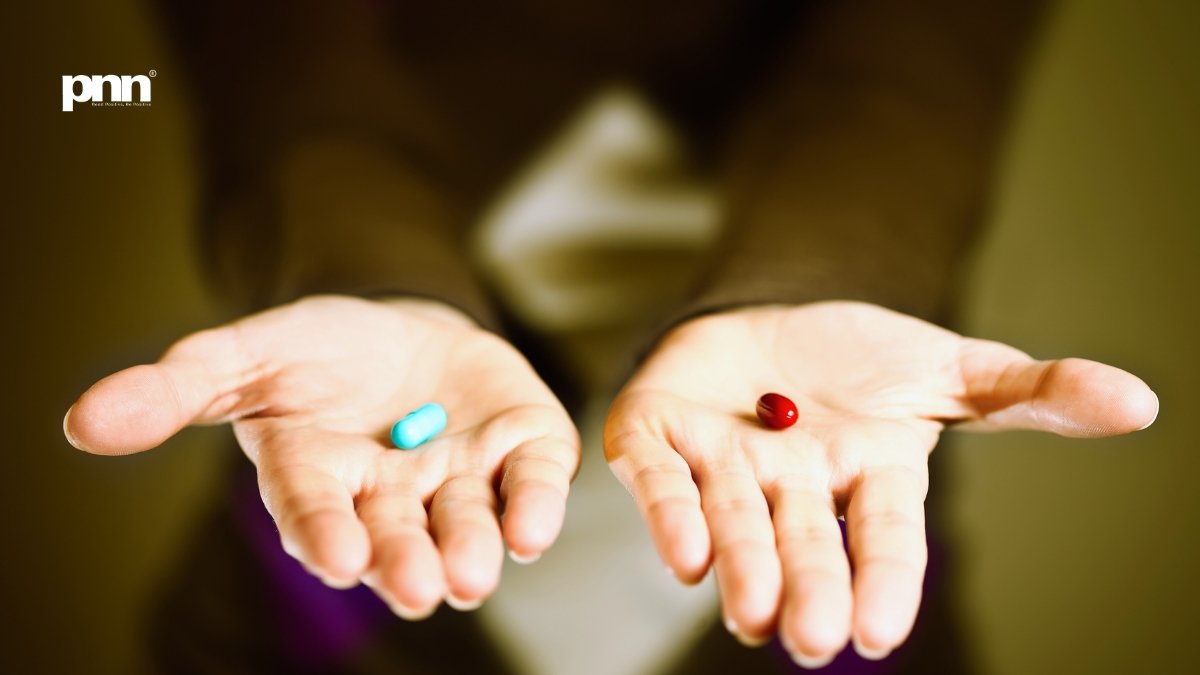
New Delhi [India], March 09: Overchoice problem is a modern thing. In ancient times, choice used to mean freedom.
For most of human history, choice barely existed.
Food came from the nearby field, the local market, or the day’s hunt. Careers followed family trades. Communities were inherited through geography. Life moved inside narrow rails.
Decisions were limited.
And because they were limited, they were lighter.
Modern life dismantled those rails.
Now the day begins with a flood.
Notifications. Emails. Messages. Tabs. Feeds. Options layered on options before the mind has even fully woken up.
A person can scroll through thousands of products before breakfast. Watch trailers for twenty shows before choosing none. Compare ten productivity systems before feeling less productive than when the search began.
The modern world does not lack choices.
It manufactures them.
And somewhere inside that abundance sits a quiet psychological trap.
The overchoice problem.
The idea is simple. When options expand beyond a certain threshold, the human mind begins to struggle. Decision making slows down. Doubt multiplies. Satisfaction declines.
Freedom becomes friction.
The brain was never designed to evaluate infinite menus.
Every decision carries cognitive weight. Neuroscientists describe this as cognitive load — the mental effort required to process information and evaluate alternatives.
A simple choice is cheap.
Two options. A quick comparison. Decision made.
But add ten possibilities. Twenty. Fifty.
Now the brain begins running simulations.
What if option three is better than option two?
What if option seven turns out to be the real optimal choice?
What if I commit too early and miss something superior?
The mind begins scanning hypothetical futures.
Multiply this across dozens of daily decisions and something subtle begins to happen.
Fatigue.
Not physical fatigue.
Decision fatigue.
A person can spend an entire day sitting at a desk and still feel mentally drained because the brain has been negotiating choices for hours.
Modern life has quietly turned decision making into labor.
Psychologist Barry Schwartz captured this paradox years ago in The Paradox of Choice.
More options should produce more satisfaction.
In reality, the opposite often happens.
Because once options multiply, expectations rise with them.
If hundreds of alternatives exist, surely the perfect one must be hidden somewhere inside the pile.
Anything less than perfect begins to feel like a mistake.
And mistakes become personal.
If the decision leads to disappointment, the mind begins replaying the menu.
Maybe the better option was there all along.
Maybe I missed it.
Maybe I chose wrong.
Regret thrives in large catalogs.
The modern digital environment magnifies the problem.
Streaming platforms hold thousands of shows.
Online stores contain millions of products.
Social media displays endless lifestyles, careers, relationships, routines.
Everywhere the same message quietly appears.
There is always a better option.
Scroll a little further.
Search a little longer.
Compare a few more alternatives.
The result is paralysis disguised as exploration.
People spend forty minutes deciding what to watch.
An hour comparing headphones.
Weeks debating career paths.
Not because the decisions are impossible.
Because the menus are too large.
Analysis paralysis is simply overchoice wearing a modern name.
The consequences are subtle but everywhere.
A person hesitates at a restaurant menu.
Another researches products long past the point of usefulness.
Someone else scrolls endlessly through advice about productivity, health, wealth, happiness — thousands of frameworks competing to fix the same life.
Self-improvement itself becomes stressful.
Which system is the right one?
Which routine produces the best results?
Which strategy am I missing?
Choice begins to feel less like freedom and more like pressure.
The strange truth is that the human brain often prefers limits.
Constraints reduce cognitive noise.
A smaller menu simplifies comparison.
A routine eliminates unnecessary decisions.
A defined path removes the anxiety of infinite alternatives.
This is why many highly effective people intentionally narrow their environments.
They wear similar clothes.
They standardize meals.
They follow structured routines.
It looks restrictive from the outside.
Psychologically, it is relief.
Less choice.
Less friction.
More attention available for the few decisions that actually matter.
Because the real challenge of modern life is not scarcity.
It is abundance.
An environment overflowing with options, information, advice, and possibility.
The skill that matters most inside such a world may not be choosing well.
It may be ignoring well.
Learning to reject most options.
Learning to stop searching.
Learning to close the menu.
Because freedom in the overchoice era does not come from expanding the list of possibilities.
It comes from deciding how small that list needs to be.