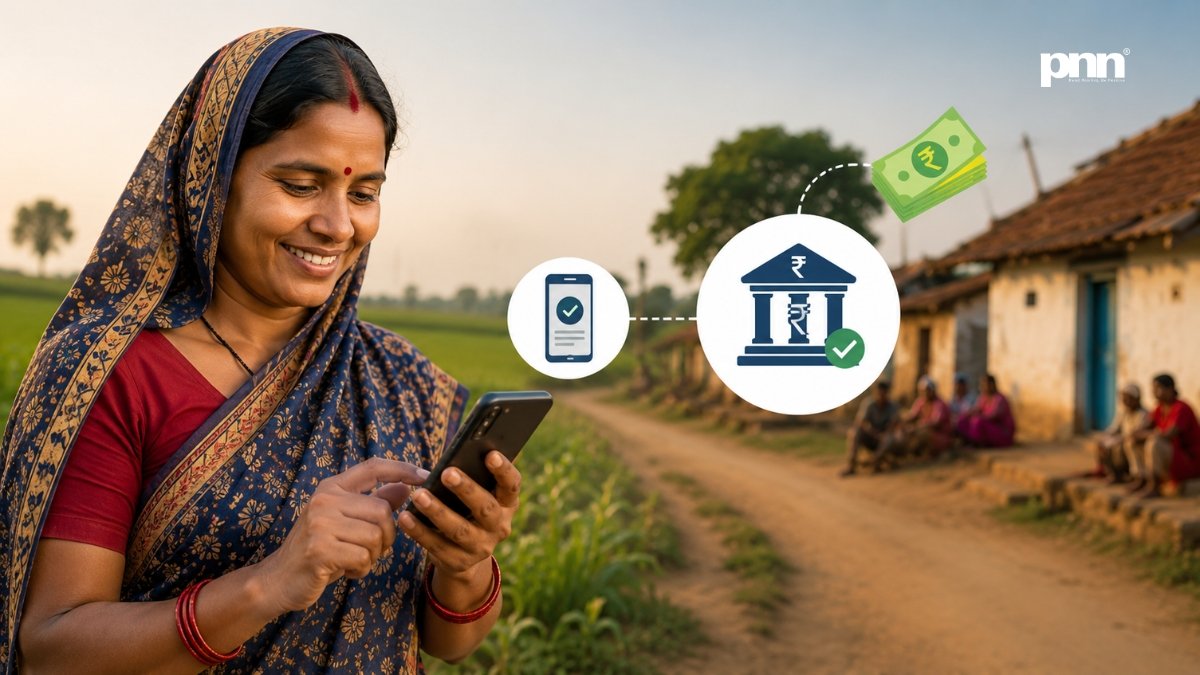








Mumbai (Maharashtra) [India], July 29: Puva never planned on racking up debt for a concert. She’d already missed Coldplay in Mumbai, and honestly, that bugged her. So when tickets for Ahmedabad popped up two days later, she grabbed her bag, messaged a friend, and just went. The wristbands were glowing in sync with the music, the phone lights flooded the crowd, and the rush of being part of it all—she put every bit of it on a BNPL app, split into four easy chunks. It didn’t feel like debt. It felt like freedom. Like she’d made the right call for her own happiness.
That convenience disguised as control? It’s pretty much how every young Indian handles money right now.
The numbers behind the vibe
Dive beneath the Instagram reels and dreamy “manifesting abundance” captions and things aren’t as simple as they look. Most Indians under 30—about 70%—carry at least one loan. Nearly every young borrower has tried Buy Now, Pay Later, drawn in by those “interest-free” installments that don’t feel anything like the credit card debt their parents warned about.
But honestly, the debt is real. By September 2025, Indian credit card assets under management had soared past ₹3.4 lakh crore. BNPL disbursed close to ₹97,000 crore in just half a fiscal year. And delinquencies? Cards overdue by 91 to 360 days shot up 44% year-on-year. That’s a big red flag for anyone who likes to believe that scattered EMIs, wallet credit, and micro-loans are harmless “silent debts.”
Right now, half of all new credit card users in India are 30 or younger, according to a fresh TransUnion CIBIL report. Four years ago, that number was much lower. Credit isn’t just sneaking into young people’s lives—it’s fully moved in, three taps away.
Two Indians, two very different playbooks
Take two people who could easily be chatting in the same WhatsApp group. The first is a 24-year-old marketing exec in Bengaluru—a new phone every year on EMI, four BNPL accounts running side by side, and she genuinely has no clue about her total outstanding balance. She’s not reckless. No one ever really taught her to add it all up.
The second is a 26-year-old software engineer in Pune. His SIP (systematic investment plan) is non-negotiable; it leaves his account before rent does. He’s got one credit card, pays it off every cycle, just to build credit history. He’s never touched BNPL—his logic is simple: “If I can’t pay now, I probably don’t need it now.”
Both are Gen Z. Both scroll past the same finfluencers, UPI pings, and festival sale banners. The difference isn’t about income or just financial literacy—it’s whether the literacy turned into a habit that works in the background, not something they have to force every time an offer pops up.
Why this generation borrows differently
Why do young Indians borrow so differently? Older generations borrowed to build—homes, bikes, weddings. Today’s borrowers use credit to live—concerts, trips, the latest phone that’s still basically new. Neither mindset is wrong. A 23-year-old stacking up two years’ worth of memories on EMI isn’t necessarily making mistakes; a 45-year-old still doing it, with no savings to show, that’s another story.
The friction’s gone now. Borrowing used to mean banks, forms, and a wait. Today? Just a fingerprint. Most Indians spend about five hours a day on social media, and research says the younger you are, the more “aspirational” content drives what you buy and when. Throw in three-click loans right next to that content and you’ve got a feedback loop no one planned but everyone’s stuck in.
The RBI noticed. Its 2022 guidelines restricted digital lending, thousands of dodgy apps vanished from stores in 2023, and risk weights on unsecured loans jumped in 2024. SEBI cracked down on deceptive finfluencer posts—over 120,000 nuked in one year. This hasn’t stopped the borrowing frenzy much, but it’s forced a bit more transparency into a system that used to hide costs behind shiny installment plans.
What actual discipline looks like
The good news? More young people are managing credit with real discipline, even if it’s uneven. Gen Z borrowers who track their credit scores have surged in the last couple of years—definitely not what anyone expected from a group supposedly allergic to spreadsheets. Non-metro borrowers? Actually more credit-conscious than metro types, checking their scores more often.
The financial playbook that really works isn’t rocket science, though it rarely gets followed to a T: automate your SIPs so your investments leave the account before anything else; treat BNPL for what it is—a credit line, not a freebie from an app; keep a running tally of all your EMIs, don’t let each payment feel tiny and separate; and use credit to build your history, not hack your way around a budget that doesn’t exist.
The dream doesn’t have to wait for the discipline
None of this means young India should stop wanting things—concerts, solo trips, a better phone. Wanting more, and wanting it earlier, isn’t the issue. The trouble comes from mistaking four easy instalments for having no bills at all. Puva’s night in Ahmedabad, for what it’s worth, was absolutely worth it. The real test for young people isn’t whether they chase experiences—it’s whether they know exactly what it cost, and whether next month’s version of themselves is ready to pay the price, clear-eyed and unapologetic.