






Mumbai (Maharashtra) [India], November 8: There was a time when “bringing nature home” meant keeping a dying fern near the window and hoping sunlight would do the rest. But 2025, ever the overachiever, has taken that sentiment, wrapped it in glass, moss, and money — and called it Biophilic Design.
It’s the latest gospel in interior circles, a movement that claims to reconnect us with the natural world — not through hikes or tree-hugging, of course, but through curated indoor jungles, marble waterfalls, and walls that breathe like expensive therapy.
The Allure of the Green Gospel
At its core, biophilic design is a concept rooted in the belief that humans have an innate need to connect with nature — a concept coined by biologist E.O. Wilson as biophilia. In translation: the human soul tends to throw tantrums when trapped too long in concrete.
Architects and designers have seized this primal truth and turned it into a visual philosophy. The result? Homes, offices, and even boutique cafes now mimic rainforests — with their moss walls, bamboo partitions, stone basins, and light that filters in like dawn in Kyoto.
And it’s not just aesthetic whimsy. According to a 2025 report by the Indian Institute of Interior Design (IIID), India’s biophilic design market has seen a 28% surge in project demand, with the average design budget rising to ₹22–30 lakh for high-end urban apartments.
The Luxe Manifesto of Nature
| Element | Common Feature | Average Cost (2025) | Mood Impact |
|---|---|---|---|
| Living Walls | Vertical gardens with self-watering systems | ₹3–6 lakh | Serenity meets Instagram appeal |
| Natural Light Architecture | Skylights, sun tunnels, glass extensions | ₹4–10 lakh | “Divine awakening at 7 AM” vibe |
| Organic Materials | Stone, rattan, cane, reclaimed wood | ₹2–5 lakh | Earthy warmth, guilt-free luxury |
| Water Installations | Indoor fountains, koi ponds | ₹6–8 lakh | Zen with a side of electricity bill |
| Smart Air Filtration Plants | Integrated with IoT | ₹1–3 lakh | Fresh air, at a premium |
Designed to Heal, Marketed to Seduce
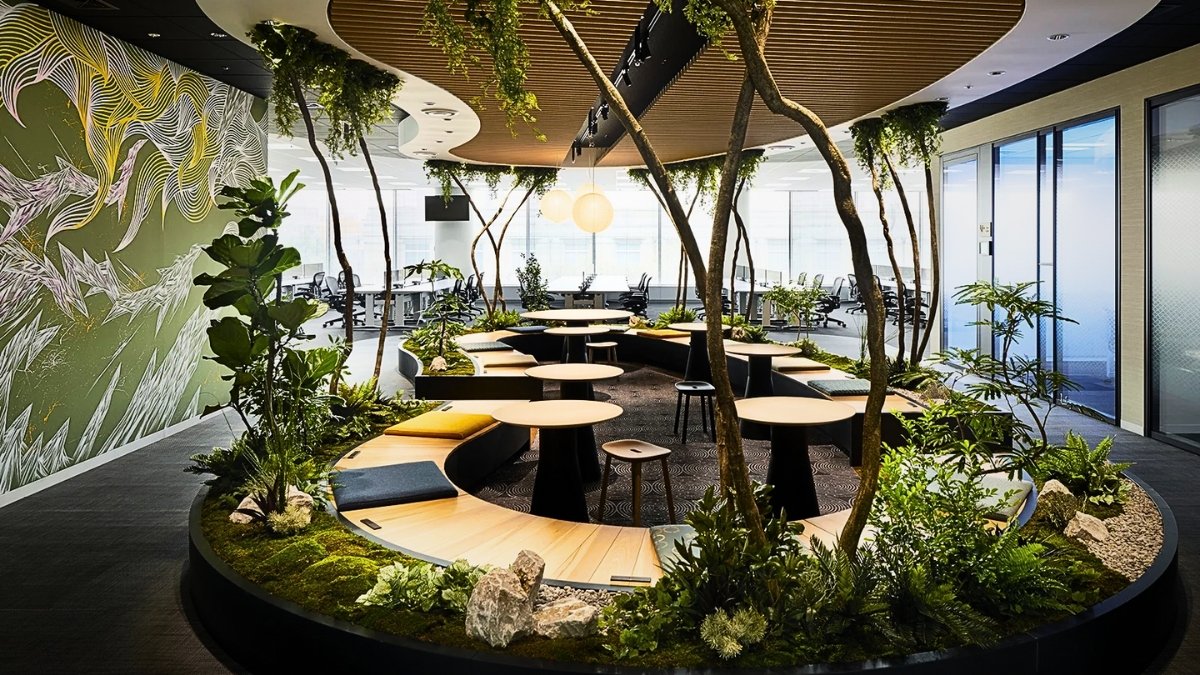
Designers whisper the same refrain: “Nature heals.” They say it with the reverence of a mantra, as they sketch oak finishes and align potted palms for “visual rhythm.”
And to their credit — science agrees. Studies have shown that spaces with natural textures and organic light reduce stress, lower heart rate, and improve focus. It’s why corporate giants and luxury hotels now have miniature forests in their lobbies.
In Mumbai, the Four Seasons’ new biophilic suite features a 12-foot vertical garden that adjusts to guests’ circadian rhythms — a feature that costs more than an average suburban apartment. In Delhi, interior designer Ananya Mathur recently transformed a client’s balcony into a micro-ecosystem, complete with temperature-regulated soil and mist-diffusing fans. “It’s nature without the mosquitoes,” she quips.
The industry, of course, is basking in its own eco-righteousness. Sustainability sells, and nothing says “conscious luxury” quite like paying ₹15,000 for a terrarium that resembles an alien rainforest.
The Reality Beneath the Ivy
But let’s not romanticise everything that photosynthesises.
For every tranquil moss wall on Instagram, a frustrated homeowner is googling “why is my vertical garden dying again?”
The truth is, biophilic design isn’t maintenance-free magic — it’s horticulture meets architecture, with a recurring monthly cost that could fund someone’s college tuition. The humidity control systems, the soil replacements, the pest management — nature, it turns out, has an invoice.
Critics have also raised eyebrows at the commodification of “wellness.” Turning sunlight and soil into luxury products seems like the kind of irony even Oscar Wilde would have envied. A 2025 Scroll.in an editorial called it “capitalism dressed in foliage,” pointing out that genuine environmental connection shouldn’t require a designer’s portfolio or a six-figure budget.
Designers Speak — and Defend
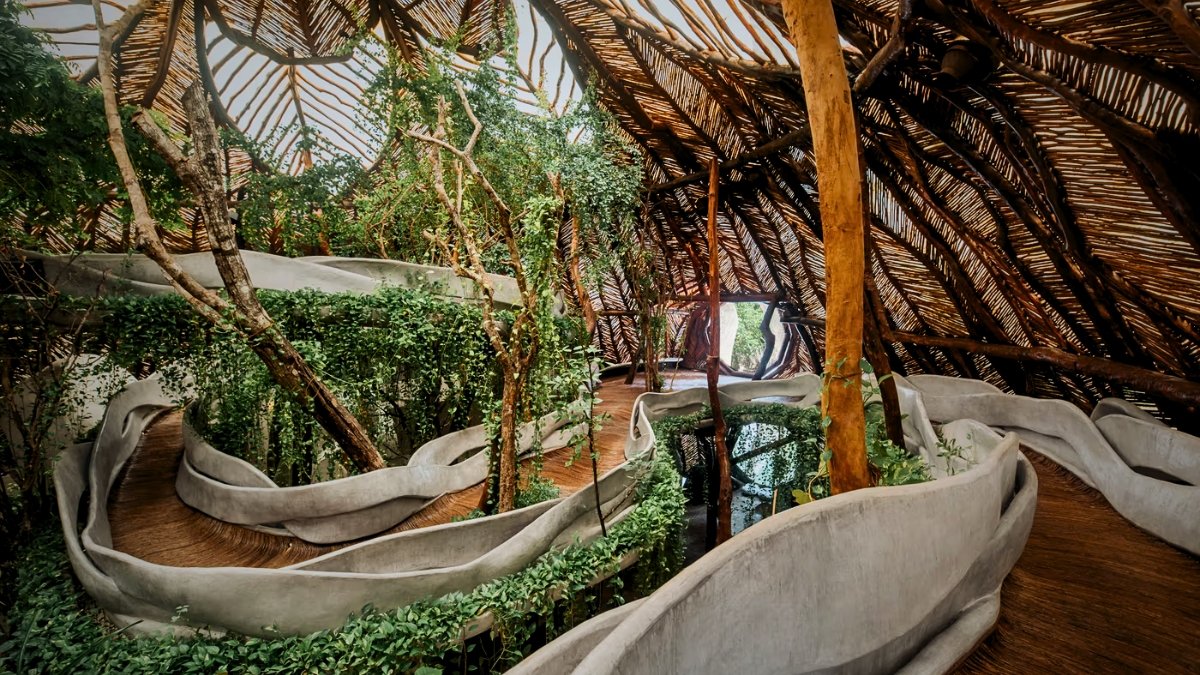
Still, the professionals are unfazed. “We’re not selling leaves, we’re selling longevity,” argues Neel Batra, an eco-architect based in Bengaluru, whose clientele includes high-net-worth individuals and boutique resorts.
He claims that the ROI of biophilic architecture — reduced electricity usage, enhanced air quality, and psychological benefits — “far outweighs the investment.”
Social media agrees, albeit more dramatically.
Instagram Reels tagged #BiophilicDesignIndia have surpassed 12 million views, with influencers showcasing reading nooks that resemble rainforest retreats. One viral post declared:
“If your living room doesn’t have a fern wall, are you even alive?”
It’s performative, yes, but it’s also persuasive. For many, the draw isn’t just well-being — it’s status, the chic symbolism of being “close to nature” while still living comfortably far from it.
The New Aesthetic of Balance
The beauty of biophilic design is that it’s evolving beyond vanity projects. Urban planners and developers are now incorporating it into affordable housing and co-working spaces. Pune’s Sanskriti Living Residences recently unveiled India’s first community oxygen garden, an open-air atrium with 1,500 indoor plants and shared work pods.
Even the government’s Smart Cities Mission 2.0 has included biophilic principles in its environmental design framework, prioritising green architecture and passive cooling systems.
It’s proof that what began as an elite indulgence is slowly becoming a civic necessity. The city, quite literally, is learning to breathe again.
A Whisper from the Wild
Perhaps the ultimate irony is this: we built walls to keep nature out, and now we’re paying fortunes to let it back in — one bamboo panel at a time. But maybe that’s progress, in its own peculiar way.
The 2025 home is no longer just a structure; it’s a statement — that even amid screens and smog, we crave the primal comfort of rustling leaves and filtered sunlight.
And if achieving that peace requires a designer, a contractor, and an automated misting system, so be it. Humanity has always been dramatic about survival.
So here’s to biophilic design — equal parts sanctuary and spectacle, where architecture doesn’t just house life, it imitates it. Because in a world obsessed with algorithms, the soft hum of chlorophyll feels like rebellion.