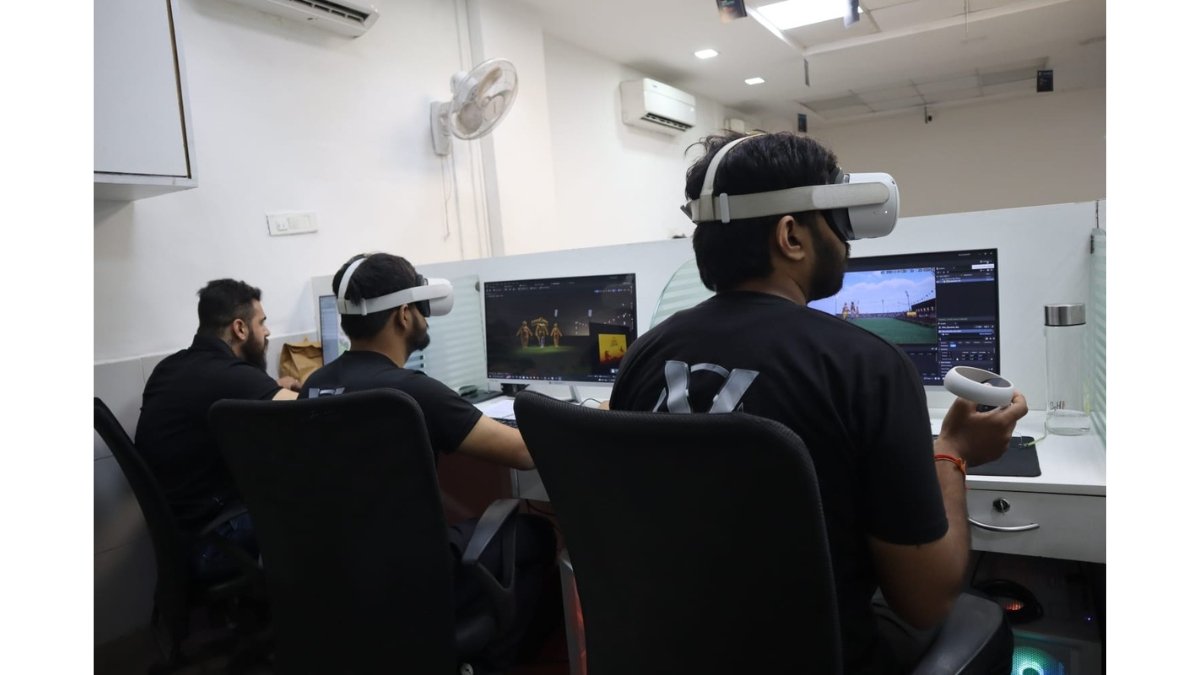





New Delhi [India], December 17: Across offices and corporate parks, a quiet inefficiency persists behind the scenes. Despite rapid digitisation across business functions, many organisations still rely on manual processes to issue, retrieve, and track IT assets such as laptops, mobile devices, and accessories. Walk-up IT counters, informal handovers, and spreadsheet-based tracking remain common even as workforces become larger and more distributed. While these systems may appear routine, their impact is rarely measured. Employees wait for device replacements, IT teams spend hours on repetitive handoffs, and equipment often sits idle due to poor coordination.
Over time, these delays and accountability gaps translate into a steady drain on operational budgets and productivity. What is often dismissed as minor friction has quietly become one of the most overlooked cost pressures in modern IT operations. The actual cost of manual IT handovers is rarely visible at first glance. Employees wait in queues, IT teams juggle repetitive support requests, and devices often sit idle when they should be in use. In a world where hybrid work, distributed teams, and fast-paced digital operations have become standard, these inefficiencies compound quickly. What seems like a slight delay in issuing or retrieving a device can ripple through the entire organisation.
Companies like Smartbox Lockers are helping enterprises replace manual IT handovers with automated, traceable locker systems that reduce asset loss, improve utilisation, and cut down the operational costs associated with routine device exchanges.
The Real Cost of Manual IT Asset Management
The financial impact of manual IT asset management is far larger than most organisations realise. Industry estimates suggest that enterprises lose millions annually due to misplaced devices, poor tracking, underutilised hardware, and inflated IT support overheads. In large organisations, even a small percentage of untracked or idle assets can result in significant capital waste over time.
Manual handovers often rely on spreadsheets, email approvals, and informal sign-offs, making it challenging to maintain accurate records of who holds which device and for how long. This lack of accountability frequently leads to duplicate purchases, delayed redeployment of existing assets, and higher device replacement costs. Some global studies have indicated that companies lose up to 20–30 per cent of their IT assets prematurely due to poor visibility and weak lifecycle management. This loss directly hits operating budgets.
Staffing costs add another layer to the problem. As manual processes scale poorly, organisations are forced to maintain larger IT support teams to manage routine asset issuance and returns. In many mid- to large-scale companies, a disproportionate share of IT resources is allocated to administrative handling rather than strategic work. At a time when businesses are actively reducing IT headcount to manage costs, inefficient asset workflows quietly undermine these efforts.
This is where automation is increasingly being seen as a financial necessity rather than a technical upgrade. Automated IT asset systems such as Smart Serve introduce structure, traceability, and self-service into a process that has long depended on manual intervention. By enabling controlled, logged device exchanges through smart locker infrastructure, companies can significantly reduce asset loss, lower staffing dependency, and improve utilisation of existing hardware. The shift addresses the root cause of the cost problem, not by adding more people or controls, but by replacing a broken process with a scalable and accountable system.
Human Error and Accountability Gaps
Manual processes rely heavily on people remembering to record asset movements. When things get busy, documentation becomes inconsistent or delayed. Devices may be handed over without proper logging, or returns may not be updated in time. Over weeks and months, these result in missing records, misplaced equipment, and accountability gaps that become expensive to fix.
Many companies only discover the extent of the problem during audits or refresh cycles. Devices cannot be located, accessories are missing, and users are unsure who last held an item. IT teams spend days reconciling spreadsheets, reviewing emails, and trying to match serial numbers with actual inventory. This scramble is not a failure of effort but a symptom of a flawed system that depends too heavily on manual attention.
Without a reliable system of record, companies cannot plan upgrades effectively, forecast inventory needs, or maintain a strong security posture. Lost or untracked devices often carry sensitive data, making the accountability gap not just an operational issue but also a security risk.
The Hybrid Work Gap in IT Asset Management
Hybrid work has made the weaknesses of manual IT asset processes impossible to ignore. With employees working across locations, the simple act of issuing, replacing, or retrieving a device has become more complex. Laptops fail at home offices, accessories need replacement remotely, and assets must move without employees visiting a central IT desk.
Manual systems struggle in this setup. Coordinating courier movements, tracking devices across locations, and maintaining accountability introduces delays and cost overruns. What was once a straightforward in-office exchange now involves multiple handoffs, inconsistent record-keeping, and uncertainty around asset ownership.
Automated IT asset systems address this gap by giving hybrid employees a consistent way to access or return devices without relying on office presence or extended coordination. By enabling controlled, logged exchanges through secure infrastructure, organisations can support hybrid teams while maintaining visibility, accountability, and cost control across locations.
Building a Smarter IT Support Model
When organisations move away from manual IT asset handoffs, they begin eliminating the hidden inefficiencies that drain time and budgets. A large portion of operational friction comes from slow device replacements, unclear ownership, and delayed access to essential hardware. Even short gaps in device availability interrupt work and affect service delivery, especially in hybrid environments where employees may not have immediate access to IT staff. These delays accumulate silently and end up costing far more than most teams realise.
Automation closes this gap by giving employees dependable, round-the-clock access to replacement devices and logged exchanges. Instead of waiting for an IT desk to open or coordinating multiple handovers, assets can move through a controlled, traceable workflow. This not only reduces downtime but also allows companies to operate with leaner support teams, redirecting IT effort toward more strategic needs.
For organisations looking to reduce asset loss, streamline workflows, and contain operational costs, automated locker-based systems offer a straightforward path forward. Solutions from companies like Smartbox Lockers are helping enterprises modernise their physical IT workflows with the same efficiency they expect from their digital tools. By standardising how devices are issued, returned, and tracked, businesses can maintain continuity, improve accountability, and build an IT support model that scales without inflating costs.