





Mumbai (Maharashtra) [India], January 10: For years, people have been predicting an inevitable cooling-off period. The “peak K-wave.” The moment when Korean content would politely bow, smile for the cameras, and retreat back into niche fandoms. And yet, week after week, streaming charts tell a far less dramatic story.
Korean shows are not spiking. They’re camping.
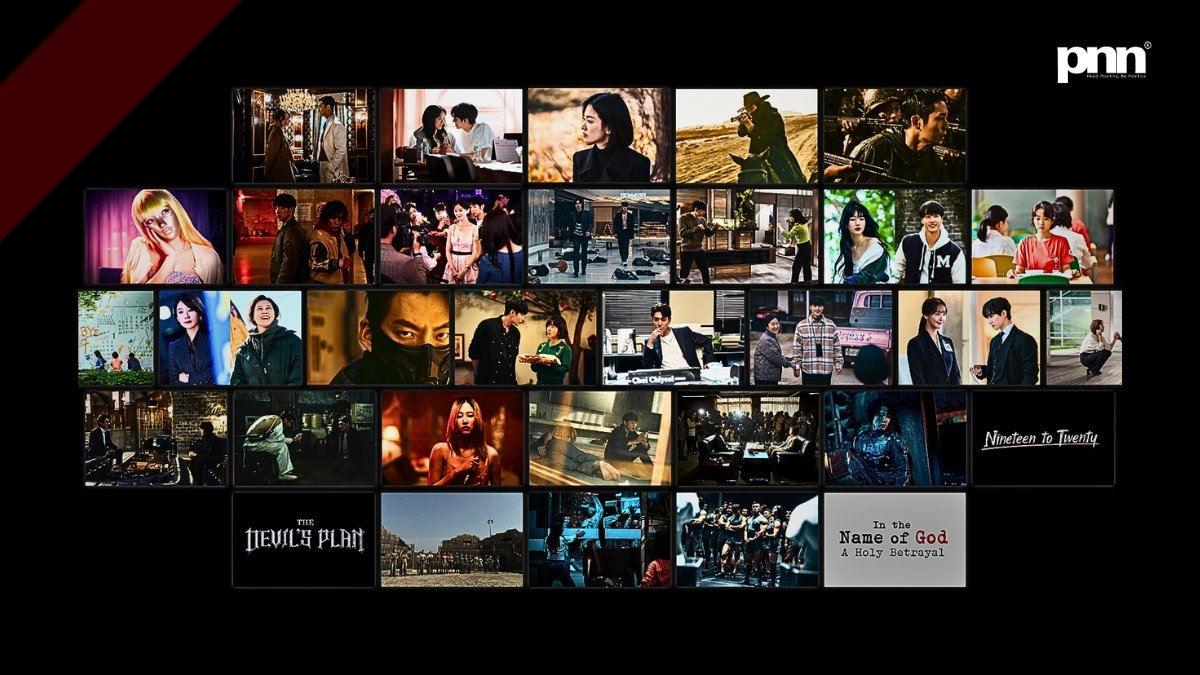
Titles like Culinary Class Wars and The Great Flood continue to occupy top positions on global non-English streaming charts, not as viral anomalies but as reliable performers. No hysteria. No novelty shock. Just steady, almost inconvenient consistency — the kind that makes industry analysts uncomfortable because it refuses to fit old forecasting models.
This isn’t about one breakout hit anymore. It’s about endurance. And endurance, as it turns out, is far more disruptive than hype.
Before diving into formats, data, or industry recalibrations, it’s worth stating the obvious: audiences didn’t wake up one day and decide Korean content was “cool.” They simply stopped caring where good stories came from. Geography lost its leverage. Language became optional. Quality did the talking — and kept talking long after the headlines moved on.
The Charts Are Calm — And That’s The Point
The most telling detail about Korean content’s current dominance isn’t the rankings themselves, but how unremarkable they’ve become. Seeing Korean titles populate weekly global charts no longer sparks surprise. It sparks routine.
Culinary Class Wars thrives not because it reinvents food television, but because it respects the intelligence of its audience. Competition exists, drama simmers, but the show never insults its viewers with artificial tension. The pacing breathes. The personalities feel textured, not manufactured.
The Great Flood, on the other hand, taps into a different instinct entirely — existential anxiety dressed as spectacle. Environmental fear, survival ethics, human fragility. Big themes, but grounded storytelling. It doesn’t scream urgency; it lets dread accumulate.
Together, they illustrate something crucial: Korean content isn’t succeeding because it follows a formula. It’s succeeding because it’s comfortable breaking rhythm.
Sustainability Over Sensation
Here’s where the conversation shifts from fandom to infrastructure.
What Korean streaming content has achieved is not viral dominance, but programmatic trust. Viewers click play without needing persuasion. They expect competence. That expectation is earned, not marketed.
From a PR perspective, this is gold. Sustained viewership week after week signals something deeper than promotional success — it signals habit formation. And habits are notoriously hard to disrupt.
However, sustainability comes with pressure. Maintaining output quality at scale is a quiet risk no one likes to headline. More productions mean more scrutiny. More expectations. Less margin for mediocrity.
Audiences forgive one bad episode. They don’t forgive complacency.
Why The World Keeps Coming Back
It’s tempting to credit aesthetics or novelty, but the real hook lies elsewhere.
Korean storytelling often refuses to spoon-feed emotional cues. Silence is allowed. Characters are permitted to be unlikable, contradictory, and unresolved. The narratives trust viewers to keep up — a radical act in an era obsessed with engagement metrics.
There’s also a cultural confidence at play. These shows don’t over-explain themselves for international audiences. They don’t dilute cultural specificity to chase relatability. Ironically, that restraint is precisely what makes them universal.
The message is subtle but firm: meet us where we are. Viewers do — gladly.
The Quiet Economics Behind The Boom
From a production standpoint, Korean series still operate with comparatively disciplined budgets, especially when measured against Western counterparts chasing cinematic spectacle. That efficiency has allowed platforms to take calculated risks without hemorrhaging capital.
But here’s the uncomfortable truth: rising global demand is already inflating costs. Talent fees are climbing. Production timelines are tightening. The industry is no longer operating under the radar.
With visibility comes vulnerability.
If costs escalate faster than creative returns, the same system that nurtured this dominance could strain under its own success. Sustainability isn’t just about audience appetite — it’s about economic balance.
Not Immune To Fatigue
Let’s not romanticise endlessly.
There are signs — subtle, but present — of thematic repetition creeping into certain genres. Some narratives lean too heavily on familiar emotional beats. Some character archetypes are starting to echo each other a bit too loudly.
Global audiences are forgiving, but they are not passive. The very viewers who embraced Korean content for its originality will be the first to disengage if originality dulls.
This isn’t a decline. It’s a warning label.
The Global Shift No One Wants To Admit
Perhaps the most significant implication of Korean content’s sustained performance is what it reveals about the broader streaming ecosystem.
The old hierarchy — English-first, everything else supplementary — is quietly collapsing. Not through rebellion, but through irrelevance.
Content is now judged less by origin and more by emotional return on investment. Does it reward attention? Does it linger after the credits? Does it respect the viewer’s time?
Korean series consistently answer “yes.” Others are scrambling to catch up.
What Comes Next Will Matter More Than What Came Before
The future of Korean content on global platforms will depend less on expansion and more on curation. Knowing when not to produce is just as important as knowing what to greenlight.
Audiences don’t want more Korean shows. They want better ones.
That distinction will define the next phase.
The Long Game, Not The Loud One
If there’s a single takeaway here, it’s this: Korean content isn’t dominating streaming charts because it’s chasing dominance. It’s there because it never chased at all.
While others sprinted after trends, it focused on craft. While algorithms screamed for attention, it trusted viewers to find it. And now, quietly, methodically, it’s become part of global viewing muscle memory.
No victory laps. No dramatic proclamations. Just consistency — the most subversive strategy of all.