




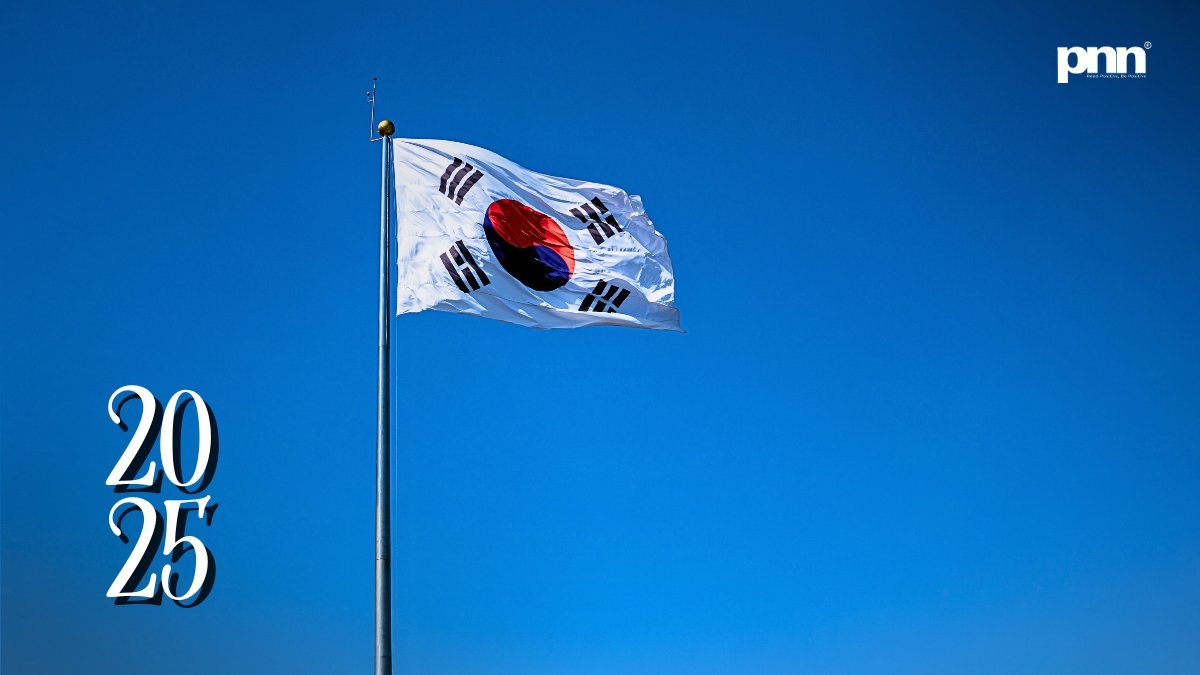
Mumbai (Maharashtra) [India], January 10: By the time 2025 wrapped itself in a neat calendar bow, one thing became quietly undeniable: Korean culture was no longer “having a moment.” It had a system.
There were no fireworks announcing this shift. No single viral performance crowned the year. Instead, Korea’s cultural presence unfolded the way real influence does — steadily, persistently, and with an almost unsettling confidence. Music tours sold out without dramatic marketing theatrics. Musicals crossed borders without apologizing for subtitles. Traditional arts found new audiences who weren’t chasing novelty, but meaning.
The world didn’t just watch Korean culture in 2025. It integrated it.
And that distinction matters.
This wasn’t a year about expansion through spectacle. It was about maturation through breadth. Korean culture didn’t grow louder — it grew wider. And in doing so, it exposed a truth many industries prefer to ignore: longevity doesn’t come from trends; it comes from infrastructure.
From Wave To Weather: The Evolution Of Cultural Power
For over a decade, global conversations revolved around the “K-wave,” as if Korean culture were a temporary surge that might eventually recede. In 2025, that metaphor quietly expired.
What unfolded instead was something closer to climate.
K-pop remained a central force, yes — but it no longer carried the burden of representation alone. The ecosystem diversified. Musicals toured internationally with sold-out runs. Contemporary dance companies performed in venues once reserved for European troupes. Traditional percussion and folk forms appeared in global festivals without being labeled “exotic.”
The message was subtle but firm: this culture doesn’t need translation to justify itself anymore.
Music Still Leads — But It No Longer Dominates
Let’s address the obvious: music continues to be Korea’s most visible cultural export. Stadium tours, streaming milestones, and cross-border collaborations remained strong throughout 2025. But something interesting happened beneath the numbers.
Music stopped being the only entry point.
Musical theatre productions from Korea saw expanded international runs, especially in markets historically hesitant to embrace non-Western stage work. These weren’t novelty bookings. They were commercial decisions backed by consistent ticket demand.
And then there’s traditional arts — long treated as ceremonial rather than scalable. In 2025, curated adaptations and respectful modernisations brought them into contemporary cultural circuits without stripping their identity. That’s a delicate balance many countries attempt. Few sustain.
Cultural Exports As Economic Strategy
Behind the artistic success lies a very pragmatic reality: culture is now one of Korea’s most refined economic tools.
The creative economy has matured into a layered system where music, theatre, heritage arts, fashion, gaming, and education feed into each other. This isn’t accidental. It’s policy-backed, institutionally supported, and globally positioned.
That said, success comes with costs.
Rising global demand has inflated production budgets, talent fees, and touring expenses. Smaller creative entities feel the squeeze. Not every traditional troupe or independent artist benefits equally from global attention. The spotlight, while flattering, is selective.
Cultural export, when scaled too quickly, risks creating internal imbalance. And 2025 exposed some of those fault lines.
The Global Audience Is No Longer Just Consuming — It’s Participating
One of the most telling shifts of 2025 wasn’t what Korea exported, but how global audiences responded.
International fans didn’t just attend performances or stream content. They enrolled in language programs. They traveled for cultural festivals. They engaged with historical contexts instead of skipping to the chorus.
This deeper engagement signals a move away from surface-level fandom toward cultural literacy. And that’s where long-term influence is cemented.
However, it also raises uncomfortable questions: How much cultural context can scale without dilution? Where does accessibility end and oversimplification begin?
There’s no easy answer — only ongoing negotiation.
When Success Becomes Expectation
Here’s where the narrative turns slightly sharp.
In 2025, Korean culture faced a new kind of pressure — not skepticism, but expectation. Global audiences now assume quality. Innovation is no longer a bonus; it’s a requirement.
That’s dangerous territory for any creative ecosystem.
Some critics have pointed out early signs of repetition in certain formats. Familiar structures reappear. Emotional beats echo earlier successes. This isn’t stagnation — but it’s a reminder that growth must be curated, not rushed.
The danger isn’t failure. It’s overconfidence.
Traditional Arts Find A Second Life — And New Tensions
Perhaps the most quietly radical development of 2025 was the resurgence of traditional Korean arts on international platforms.
These weren’t museum pieces. They were living practices — reframed, contextualised, and respected. Global audiences responded not with polite applause but with genuine curiosity.
Yet within Korea, debates intensified. Purists questioned adaptation. Younger artists pushed for evolution. Cultural guardians worried about commodification.
This tension isn’t a flaw. It’s proof of vitality.
A culture that argues about itself is very much alive.
Why 2025 Marks A Structural Shift
What distinguishes 2025 from previous peak years is sustainability.
This wasn’t a year of viral miracles. It was a year of repeat attendance. Return audiences. Institutional partnerships. Educational exchanges. Long-term contracts.
Korean culture didn’t rely on algorithms alone. It relied on trust — built slowly, reinforced consistently.
That’s why its influence feels less flashy and more permanent.
The Global Creative Order Is Quietly Rebalancing
The implications stretch beyond Korea.
2025 demonstrated that cultural leadership is no longer geographically centralised. Creative legitimacy no longer requires Western validation. Audiences decide. Markets follow.
Korea didn’t replace anyone. It simply occupied the space it earned.
And that might be the most unsettling part for legacy industries still clinging to outdated hierarchies.
Looking Ahead: Growth With Restraint Will Decide The Next Chapter
The question isn’t whether Korean culture will remain influential. It’s whether it will remain discerning.
Growth without restraint leads to erosion. Influence without introspection fades quickly. The strength of Korea’s cultural ascent lies in its willingness to refine, not just replicate.
If 2025 proved anything, it’s this: cultural power doesn’t need to shout. It only needs to last.
Final Thought: Not A Wave — A Foundation
2025 didn’t crown Korean culture as a global novelty. It confirmed it as a global constant.
Beyond pop, beyond drama, beyond trends — a diversified, resilient creative economy stood in plain view. Confident. Complex. Occasionally contradictory. Entirely human.
And perhaps that’s why it resonated so deeply.