

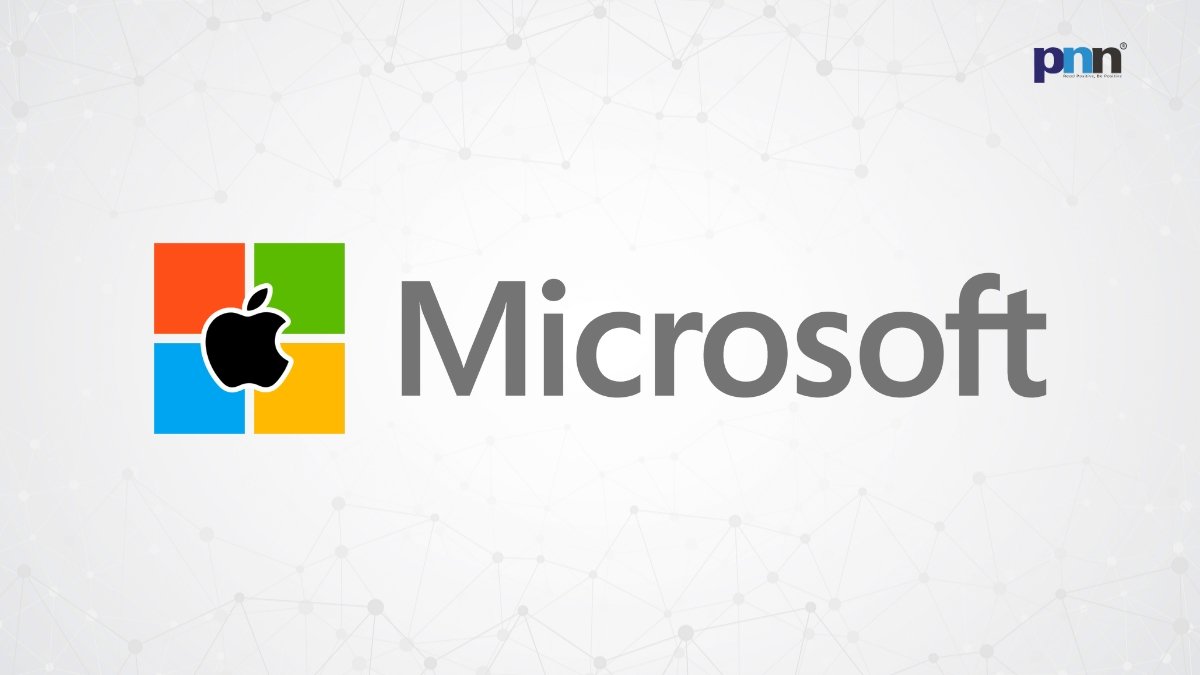
Mumbai (Maharashtra) [India], January 17: For years, Windows users have lived with a peculiar contradiction. They owned powerful machines, often with superior hardware flexibility, yet watched helplessly as a certain fruit-branded ecosystem glided through devices like it owned gravity itself. Files followed users. Messages hopped screens. Calls politely waited where they were left. Meanwhile, Windows users were busy emailing themselves links, as if it were a productivity ritual from 2012.
Now, Microsoft appears to have had a moment of existential clarity.
The company is quietly but deliberately building a refined cross-device continuity experience—one that mirrors a feature Apple users have enjoyed for nearly a decade, but with enough Windows pragmatism to make it feel less like imitation and more like overdue evolution. This isn’t a flashy keynote moment. It’s a usability intervention. And frankly, it was needed.
This isn’t about copying. It’s about survival in a world where convenience has become currency.
The Philosophy Shift Nobody Announced
Microsoft didn’t wake up one morning and decide to chase aesthetic harmony. This shift has been brewing for years, accelerated by hybrid work, multi-device dependency, and the realisation that productivity doesn’t live on a single screen anymore.
The modern user starts work on a laptop, continues on a phone, answers calls from earbuds, and finishes tasks on a desktop—often without remembering which device began the story. Apple understood this early. Microsoft, historically focused on enterprise dominance and software licensing, took a scenic route.
The new continuity push signals something deeper: Windows no longer wants to be just the place where work happens. It wants to be the place where life continues.
What Microsoft Is Actually Building (And Why It Matters)
At its core, Microsoft’s new continuity layer aims to make Windows feel less like an isolated operating system and more like a central nervous system.
Key elements include:
Seamless App Continuation Across Devices
Start an activity on a phone, pick it up on a PC without ceremonial syncing.Unified Clipboard And File Awareness
Copy once. Paste anywhere. No cloud gymnastics required.Improved Device Proximity Intelligence
Your laptop knows when your phone is nearby—and behaves accordingly.Tighter OS-Level Integration
Not an app pretending to be a solution, but baked-in system behavior.
This matters because users no longer tolerate friction. They might endure it, but they resent it. And resentment is a dangerous emotion in consumer tech.
For context, Apple’s continuity framework has been operational since 2014. Microsoft’s attempt isn’t late—it’s archaeological. But timing doesn’t always determine relevance. Execution does.
The Positive Angle: Windows Grows Up
Let’s be fair. Microsoft isn’t blindly cloning. There are areas where Windows could genuinely do this better.
Hardware Agnosticism
Unlike Apple’s closed-loop hardware model, Microsoft has to support thousands of OEM configurations. If it pulls this off, it benefits a far larger user base.Enterprise Compatibility
Apple’s continuity shines in personal use. Microsoft’s version is being designed with work accounts, managed devices, and corporate policies in mind.Scalable Ecosystem Thinking
This isn’t just about phones and laptops. It’s about tablets, handhelds, desktops, and whatever form factor shows up next.
In other words, Microsoft isn’t just catching up—it’s widening the playing field.
Internal data suggests Windows still powers over 1.4 billion active devices globally, making even incremental usability improvements massively impactful. When Microsoft moves, it moves markets—slowly, sometimes awkwardly, but decisively.
The Negative Reality Nobody Wants To Say Out Loud
Now for the less flattering truth.
Microsoft’s biggest enemy here isn’t Apple. It’s Microsoft.
Inconsistent Rollouts
Features arrive unevenly across regions, hardware, and Windows versions.Fragmented User Experience
Some users get magic. Others get error messages and forums.Trust Deficit
Windows users have been promised seamlessness before. They’ve learned to wait skeptically.
There’s also the awkward reality that copying a feature years later invites comparison—and comparisons aren’t kind to first drafts. Apple’s continuity works because it was designed in an era when simplicity still had executive backing. Microsoft’s version is being layered onto an OS that already carries decades of legacy logic.
Elegance doesn’t come naturally in crowded rooms.
Why This Move Is Also Strategic, Not Just Cosmetic
This continuity push isn’t just about making users happy. It’s about keeping them.
Microsoft knows that the real threat isn’t losing users to macOS overnight—it’s losing relevance over time. Cross-device continuity keeps users emotionally invested. It makes switching painful. And pain is retention.
It also strengthens Microsoft’s ecosystem moat:
Windows + Mobile Integration
Cloud Services Dependency
Productivity Tool Stickiness
This aligns neatly with Microsoft’s broader strategy of embedding itself quietly but indispensably into daily workflows. You don’t notice it working—until it’s gone.
Backstory: Why Now, Not Earlier?
The short answer: leverage.
Microsoft didn’t have the ecosystem leverage earlier. Today, it does.
Cloud infrastructure is mature.
Device partnerships are stronger.
Windows 11 provides a cleaner base layer.
Users expect continuity now—not as a luxury, but as a baseline.
In 2026, failing to offer cross-device fluidity isn’t a feature gap. It’s a credibility issue.
Pros And Cons At A Glance
Pros
Dramatically improved usability for Windows users
Competitive parity with premium ecosystems
Strong enterprise integration potential
Reduced reliance on third-party workarounds
Cons
Late arrival means higher expectations
Risk of fragmented experiences
Heavy dependence on consistent updates
Apple comparisons are inevitable—and unforgiving
What Users Are Saying (And Not Saying)
Early feedback from power users is cautiously optimistic. There’s appreciation, but not celebration. The sentiment is less “Finally!” and more “Let’s see if this sticks.”
That’s not cynicism—it’s learned behavior.
The Bigger Picture: This Isn’t About Apple Anymore
Ironically, the moment Microsoft stops chasing Apple is the moment it becomes competitive again.
This continuity feature isn’t about winning design awards. It’s about restoring confidence in Windows as a modern, thoughtful platform. One that understands how people actually live—not how they’re supposed to use software.
And if Microsoft gets it right? The conversation shifts. Not from “Apple vs Windows,” but from “Which ecosystem understands me better?”
That’s the only rivalry that matters now.
Final Thought
Microsoft didn’t invent continuity. It just finally decided it couldn’t afford to ignore it anymore. Sometimes, progress isn’t about being first—it’s about arriving prepared, slightly sarcastic, and painfully aware of what users have tolerated long enough.