





New Delhi [India], February 16: Indicatively, India has recently inaugurated the India AI Impact Summit, and it is already clear that this is not just another technology event. The scale is bigger, the message stronger, and the intent unmistakable. From global CEOs to heads of state, artificial intelligence is no longer a side conversation. India is treating it as a serious national and global priority.
India AI Impact Summit Takes Centre Stage
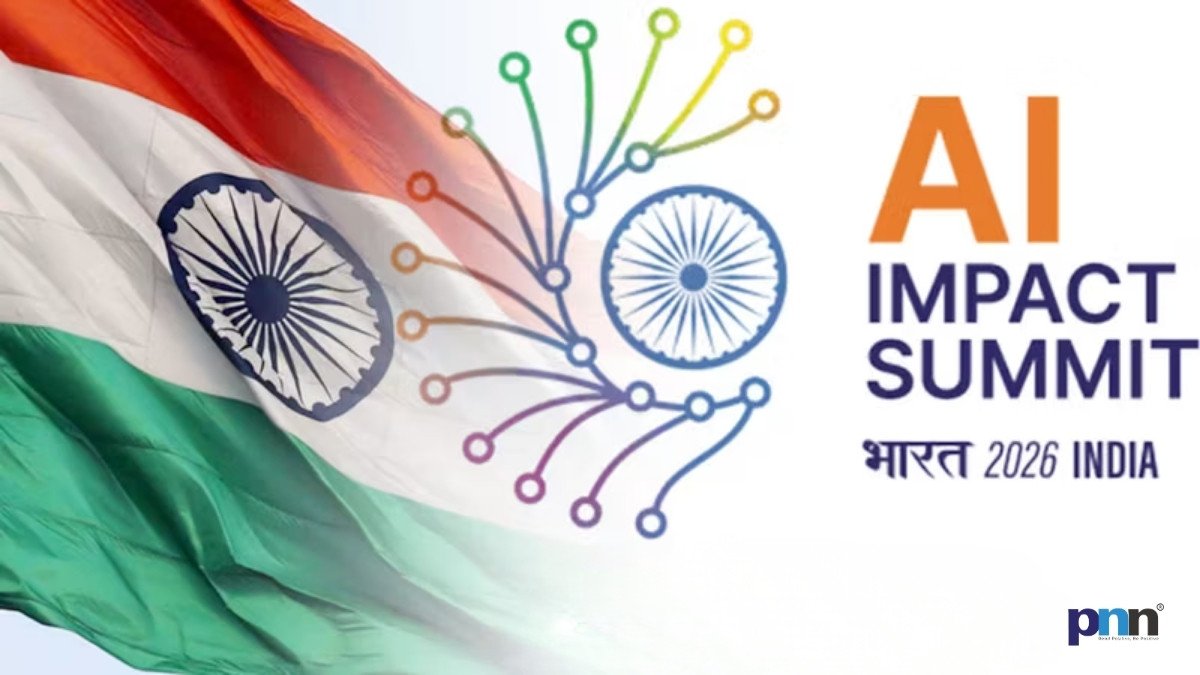
The India AI Impact Summit is a five-day international conference being held in New Delhi. It focuses on artificial intelligence, its future potential, and the risks that come with rapid adoption. Beginning on February 16, the summit has brought together world leaders, senior policymakers, and top executives from some of the largest technology companies in the world.
This is not a routine industry gathering. It is a strategic statement. By hosting the summit, India is placing itself firmly at the centre of global discussions on how AI should evolve. The theme of the summit, People, Progress, Planet, reflects an effort to balance innovation with responsibility. For a country that is still developing its AI ecosystem, this move is ambitious and deliberate.
Beyond the Hype: Safety, Jobs, and Digital Harms
The conversations at the summit go well beyond showcasing new tools or breakthroughs. The focus is on real-world concerns. Panels and discussions have addressed issues such as child safety online, the spread of misinformation, deepfakes, and the impact of AI on jobs.
Experts have warned that while AI can increase efficiency and profits, it can also cause serious harm if left unchecked. Some speakers have raised concerns about the broad scope of the agenda. When a summit tries to cover too much, there is a risk that discussions remain high-level without clear outcomes. This matters because many people in the room are decision-makers expected to take action, not just listen.
The message is clear. AI is no longer only a technology issue. It is a social issue, and the risks rise alongside the rewards.
Who Is in the Room and Why It Matters
The list of attendees explains the importance of this summit. National leaders, heads of state, and senior government officials are present alongside CEOs of major AI and cloud computing companies. Industry figures such as Sam Altman of OpenAI and Sundar Pichai of Google are part of the discussions.
Delegations from over 45 governments, hundreds of thousands of visitors, and hundreds of exhibitors have gathered at the event. This rare mix of political power and corporate influence signals something important. India is not just hosting the summit. It is helping shape the global conversation.
For the first time, a Global South nation is taking the lead in setting the agenda on how AI should be developed and governed. This marks a shift from being a technology user to becoming a rule-maker. The presence of Prime Minister Narendra Modi, along with leaders like Emmanuel Macron of France and Luiz Inácio Lula da Silva of Brazil, underlines another reality. AI policy has become part of global geopolitics.
India’s Global South Moment
Technology summits have traditionally been dominated by the United States, Europe, and China. Holding a major AI summit in India represents a clear shift. The goal is to ensure that global AI policies reflect the needs of developing countries, not just advanced economies that export technology.
The summit emphasizes cooperation and shared responsibility rather than control by a few powerful players. At its core, the event seeks to create a shared understanding of how AI should be governed across borders. It recognizes that technology affects everyone and that its risks and benefits cannot be managed by one country alone.
This is India asserting its place in the global technology order, with a clear awareness of both the opportunities and the dangers involved.
Critics and Constraints
Despite the scale and ambition, the summit is not without criticism. Some observers worry that covering too many issues, from job losses to misinformation, could reduce the effectiveness of the discussions. Broad themes sound impressive, but turning them into clear action plans is difficult.
There is also concern about voluntary commitments from technology companies. Critics argue that self-regulation often looks strong on paper but leads to limited real-world change. The challenge lies in finding the right balance. Too much regulation can slow innovation. Too little oversight can create serious risks. This balance is difficult, and India’s effort to manage it is being closely watched.
AI in India: Background and Opportunities
India’s AI ecosystem has its own strengths and limits. While the country does not yet lead in developing core AI models, it benefits from a large market, a skilled workforce, and widespread adoption of digital tools.
India is reportedly the largest user base for OpenAI’s ChatGPT, with tens of millions of daily users. This gives India valuable experience in how AI is used in everyday life. At the same time, concerns remain about job disruption, especially in IT and service sectors that rely heavily on outsourcing.
However, new roles are also emerging. Fields such as data analysis, AI training, system monitoring, and safety auditing are creating fresh opportunities. If managed well, India’s human talent could become its biggest advantage in the AI era.
What the Summit Could Deliver
Global summits are often criticised for producing more talk than results. Still, the India AI Impact Summit has the potential to influence future policy. While no binding agreements are expected, the summit may lead to shared frameworks on AI ethics, safety standards, inclusion, and ways to counter misinformation and deepfakes.
It may also encourage stronger partnerships between governments and the private sector. With so many global leaders present, even common language in official statements can shape future policies. Today’s discussions could become tomorrow’s global norms.
Final Word
This summit is not about showing power. It is about setting direction. India is making it clear that the future of AI should be guided by cooperation, responsibility, and inclusion. Whether the promises turn into concrete action will take time to assess. But one thing is certain. AI has become a global concern, and India has stepped forward to help shape its future.