




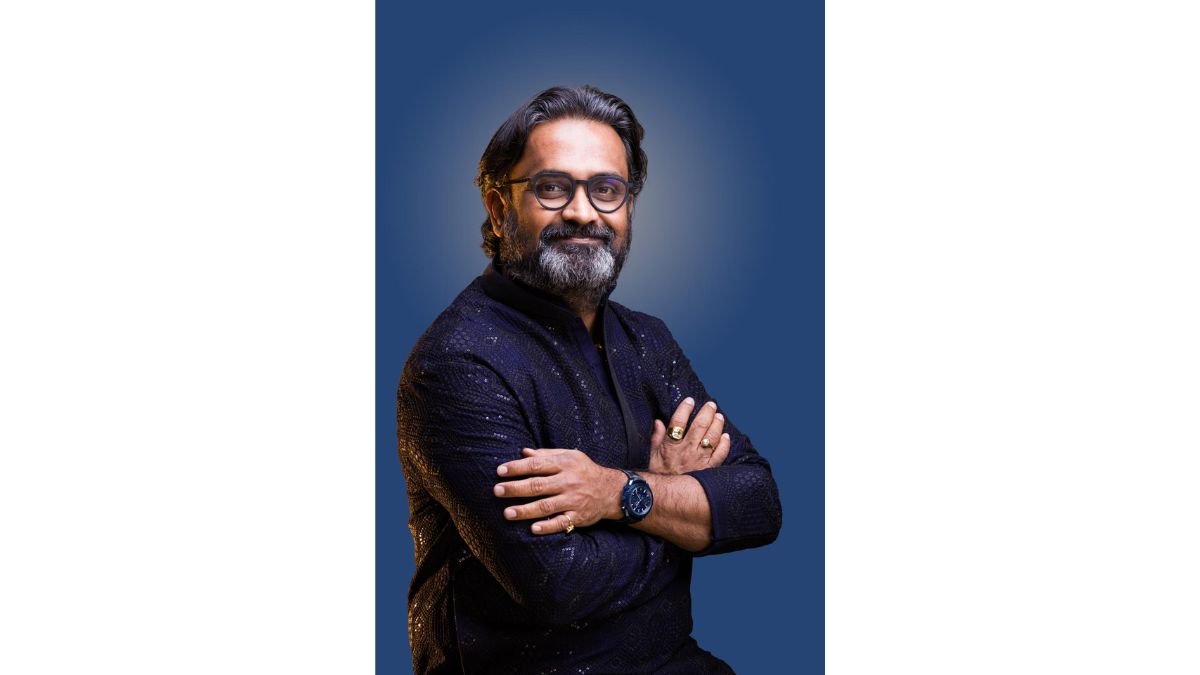
New Delhi [India], February 14: Shekhar Natarajan, Founder and CEO of Orchestro.AI, explains the impact of AI that could change narratives in this opinion piece.
The question isn’t why Angelic Intelligence went viral. The question is why nothing else did—and what that absence reveals about the gap between how the AI industry talks about its work and how the public actually experiences it.
For a decade, the AI discourse has been dominated by two narratives. The utopian version: AI will solve climate change, cure diseases, extend human capability beyond current imagination. The dystopian version: AI will destroy jobs, concentrate power, potentially threaten human existence itself. Both narratives are dramatic. Both are extensively funded. Neither proved particularly shareable.
The utopian narrative accumulated approximately 50 million combined views across major platforms over the past five years. The dystopian narrative, driven by high-profile figures warning about existential risk, managed roughly 120 million. Angelic Intelligence—unfunded, grassroots, starting from zero—reached 800 million in eighteen months.
❝ People weren’t scared of AI being too powerful. They were scared of AI being too soulless. ❞
The disparity suggests the dominant narratives were answering questions the public wasn’t asking. The promise of future benefits didn’t address present anxiety. The warnings about catastrophic risk didn’t provide agency or alternatives. Both positioned the public as spectators to a drama they couldn’t influence.
Angelic Intelligence offered something different: a constructive alternative. Not warnings about what might go wrong, but a framework for what could go right. Not limitations on capability, but redirection of purpose. Not fear, but possibility.
“Every other AI philosophy positioned the public as potential victims or potential beneficiaries—passive either way. This one positioned them as participants in a choice about what kind of AI we build. That’s psychologically completely different. It’s the difference between watching a storm and choosing which direction to walk.” — a cognitive psychologist specializing in technology adoption, speaking on background
The psychological appeal is rooted in fundamental human needs. When confronted with inevitable change, people prefer agency to helplessness. They prefer construction to destruction. They prefer hope that requires participation over optimism that requires only waiting. The dominant AI narratives offered acceptance or resistance. Angelic Intelligence offered participation.
❝ Silicon Valley’s AI needed guardrails because it was designed to run wild. We designed ours to run wise. ❞
The framework’s terminology proved unexpectedly powerful in driving resonance. ‘Angels’ evoked protection rather than threat—a stark contrast to the language of ‘superintelligence’ and ‘existential risk’ that dominates safety discourse. ‘Virtue-native’ suggested inherent goodness rather than imposed constraint. ‘Digital conscience’ implied AI that could be trusted, not merely tolerated or controlled.
Linguists who study technology adoption note that framing shapes acceptance. Systems described in threatening terms provoke resistance. Systems described in protective terms invite engagement. The linguistic choices in Angelic Intelligence weren’t accidental—they emerged from deep consideration of how ideas spread and why.
“The language is doing real work here. When you call something an ‘angel,’ you’re invoking thousands of years of cultural meaning around protection, guidance, and benevolent power. When you call something a ‘superintelligence,’ you’re invoking science fiction about threats. Same capability, completely different emotional response.” — a computational linguist who has studied the framework’s spread
The resonance was particularly strong among demographics usually absent from AI conversations. Parents concerned about their children’s digital futures found in the framework a vision of technology that might protect rather than exploit—relevant when 96% of apps marketed to children contain manipulative design patterns, when AI-generated CSAM has increased 400% in two years, when deepfake pornography targeting teenage girls has become a crisis in schools across America and Europe. Workers whose jobs algorithms had already transformed heard in it an acknowledgment of their experience and a promise of something better. Communities whose data had been extracted without visible benefit saw in it recognition that they deserved to be served, not merely processed.
These aren’t the audiences that attend AI conferences or read technical papers. They don’t follow AI researchers on Twitter or understand the nuances of transformer architectures. But they are the audiences who will ultimately determine AI’s social license to operate—and their embrace of Angelic Intelligence suggests they’ve been waiting for someone to speak to their actual concerns.
“We thought the public didn’t care about AI ethics. We were wrong. They cared deeply. They just needed something they could believe in—not a warning, not a promise, but a vision they could participate in building.” — a technology ethicist who has studied public attitudes toward AI
❝ 800 million people found what they were looking for: proof that technology could be built with love. ❞
The question Silicon Valley must now answer is whether this represents a market opportunity to be captured or an existential challenge to fundamental assumptions about what AI should be. The response so far has been muted—public acknowledgment is rare, though private discussion is reportedly intense. The numbers are too large to ignore, but the implications may be too threatening to accept.
“The existential question isn’t whether AI will destroy humanity. It’s whether the AI we’re building serves humanity. Eight hundred million people just told us they’re not sure the current version does. That’s a harder problem than technical safety.” — a senior researcher at one of the major AI labs, speaking anonymously
The resonance continues to grow. As AI capabilities advance and public awareness deepens, the appetite for alternative frameworks intensifies. Angelic Intelligence arrived at the right moment with the right message. Whether the industry adapts or resists will shape what comes next.
If you object to the content of this press release, please notify us at pr.error.rectification@gmail.com. We will respond and rectify the situation within 24 hours.