



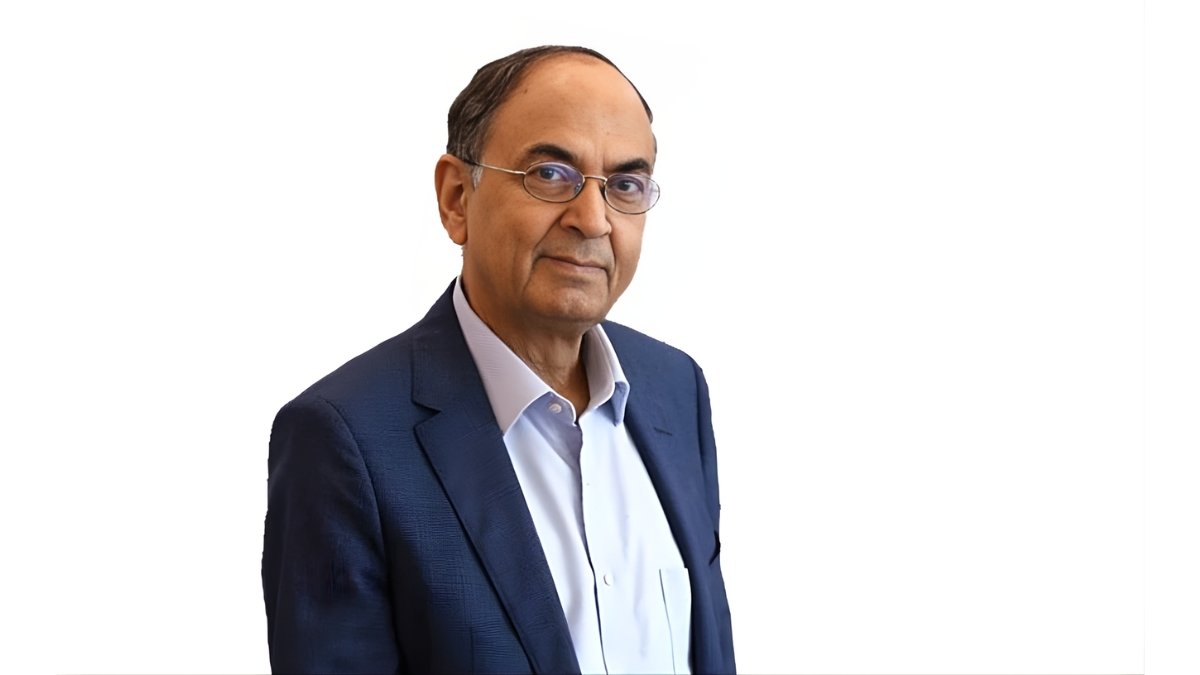
New Delhi [India], December 18: Amidst the 360-degree penetration of Artificial Intelligence in the nation, companies like the Indian Potash Limited (IPL) are putting in relentless efforts to transform agriculture in India. The efforts are aligned towards the vision of creating a sustainable future for the country, where farmers do not have to suffer from poor conditions and hazardous pesticides. Also, it is worth noting that these chemicals pose a serious threat to the environment, leading to climate change. One would be astounded to know that 29 per cent of greenhouse emissions come from agriculture, contributing to the global climate shift. This has been a special area of concern and work for Dr Parvinder Singh Gahlaut, Managing Director, Indian Potash Limited. This can also be addressed by incorporating AI into agriculture.
Dr P.S. Gahlaut believes, “Indian farmers are not only an integral part of our nation but also of its very identity. India continues to be recognised as an agricultural nation, exporting some of the finest quality food products to the world. It is, therefore, the responsibility of companies like Indian Potash Limited to support their progress and ensure they remain aligned with the rapidly changing global landscape. However, we are also trapped in a cycle in which farming impacts the climate, and, in turn, climate change reshapes farming practices. The only way to break this loop is to move beyond traditional methods and adopt innovative solutions. Incorporating AI in agriculture and promoting Climate Smart Agriculture (CSA) are crucial steps to assist farmers, equip them with sustainable practices, and prepare them for the future.”
Drone farming is one of the key innovations championed by Dr. Parvinder Singh Gahlaut. This advanced method uses unmanned aerial vehicles to monitor and manage farmland with far greater accuracy and speed than traditional approaches. Equipped with multispectral and thermal sensors, drones capture high-resolution images and real-time data that help farmers detect nutrient deficiencies, monitor irrigation levels, map weed growth, and track crop health long before visible symptoms appear. In alignment with Climate-Smart Agriculture, drones further support precision spraying of fertilisers and pesticides, which can reduce chemical use by up to 30% and lower fuel consumption, ultimately shrinking the carbon footprint while improving resilience to climate variability.
CSA places strong emphasis on climate-resilient crop management. Farmers are encouraged to adopt drought-tolerant, heat-resistant, and pest-resistant varieties, traits increasingly developed through modern breeding and biotechnology, to protect yields amid rising temperatures and erratic rainfall. Complementary practices such as crop rotation, intercropping, and diversification strengthen soil structure, conserve nutrients, and naturally suppress pests. With the integration of AI-driven decision tools, farmers can now analyse weather patterns, soil profiles, and crop performance to determine optimal sowing windows, irrigation schedules, and nutrient application. These data-backed decisions not only enhance productivity but also lower input costs and help buffer farms against climate risks.
To accelerate the digital transformation of agriculture, Indian Potash Limited introduced the IPL Farmer Samvad app, a user-friendly platform designed primarily for Android/IOS smartphones. The app delivers updates on modern farming technologies, government schemes, market prices, and financial literacy. Farmers can access training modules, receive region-specific alerts on pests and weather, and participate in interactive forums that enable peer learning and expert guidance. By bridging information gaps, the app empowers farmers to make timely, informed decisions and adapt to rapid changes in the agricultural landscape.
Soil and water conservation remain central pillars of CSA. Techniques such as minimal or conservation tillage reduce erosion and preserve soil organic matter, while compost, green manure, and biochar help restore fertility and microbial activity. Efficient irrigation systems—drip, sprinkler, micro-irrigation, and rainwater harvesting—can improve water-use efficiency by 40–60%, a critical requirement as groundwater levels decline in many Indian states. Integrated nutrient and pest management further promotes sustainability through biological control agents, soil test–based fertiliser recommendations, and nitrogen-fixing crops like pulses that naturally enrich the soil. Dr Gahlaut emphasises that capacity building, farmer training, and cooperative resource-sharing networks are essential to scale these practices effectively. Agroforestry and landscape-level management also contribute by enhancing biodiversity, improving carbon sequestration, and protecting water bodies through buffer zones and tree-based farming systems.
Indian Potash Limited continues to advance science-led agriculture through programs like Potash for Life, which conducts extensive field trials to evaluate crop response to balanced fertilisation. By collecting real-world data on soil health and yield outcomes, IPL helps farmers optimise nutrient application—particularly potash and other micronutrients—ensuring long-term soil productivity and reducing cases of nutrient depletion, a growing concern in intensively farmed regions.
Dr. P.S. Gahlaut’s long-term vision is to expand access to AI solutions, drone services, and digital advisory systems to over 15 million farmers by 2030. His leadership team is simultaneously working on developing drought-resilient fertilisers, carbon-neutral operational practices, and regenerative farming models that support India’s climate goals. His approach underscores not just technological advancement but a commitment to holistic, sustainable growth—one that safeguards environmental health and strengthens agriculture for future generations.
If you have any objection to this press release content, kindly contact pr.error.rectification@gmail.com to notify us. We will respond and rectify the situation in the next 24 hours.