

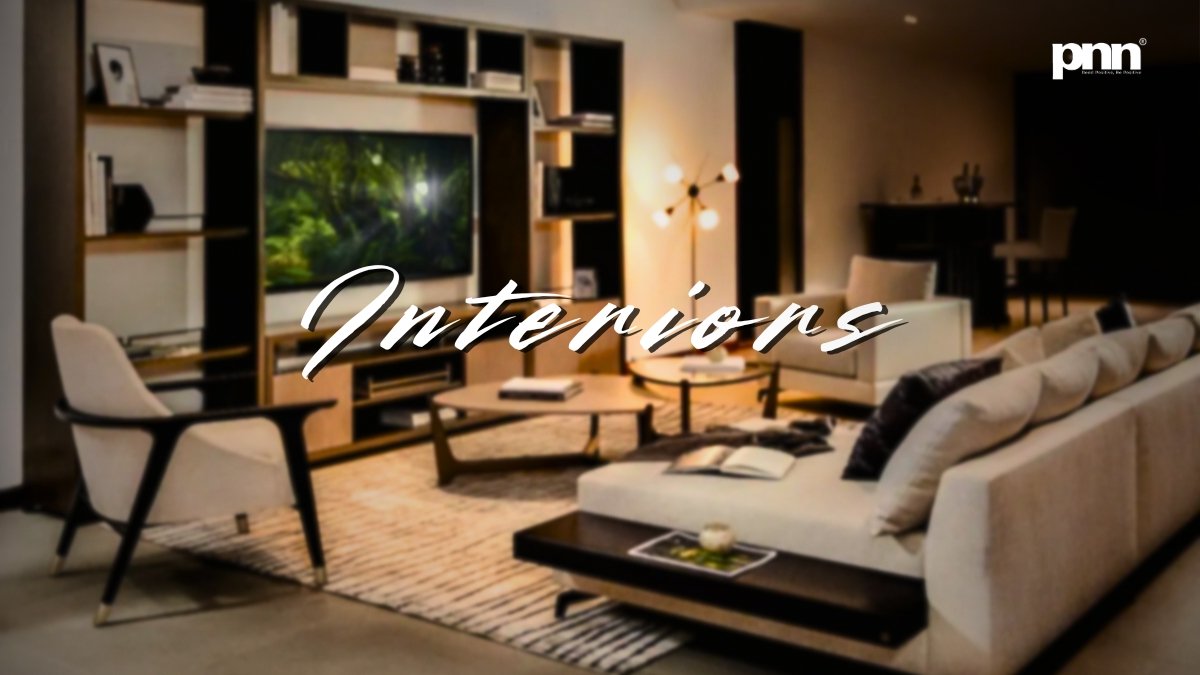
Mumbai (Maharashtra) [India], January 6: For years, homes were trained to behave. Neutral walls. Soft beiges. Furniture that whispered instead of speaking. The aesthetic was elegant, restrained, and—let’s be honest—emotionally mute. “Quiet luxury” promised calm, but delivered sameness. It looked expensive, photographed beautifully, and said absolutely nothing about the people living inside it.
In 2026, that silence had started to feel unbearable.
Across cities and cultures, personal spaces are undergoing a subtle rebellion. Homes are no longer aspiring to look like hotel lobbies or aspirational catalogue spreads. They are beginning to resemble something far more dangerous to trends: lived-in truth. The era of immaculate neutrality is being replaced by interiors that remember, argue, layer, and occasionally contradict themselves—just like their owners.
This shift isn’t decorative. It’s psychological.
When Quiet Luxury Stopped Feeling Luxurious
Minimalism once arrived as relief. It promised order in chaotic lives and calm in overstimulated minds. But after years of algorithmic living—where even our spaces were optimised for approval—neutrality began to feel less like peace and more like erasure.
Design professionals quietly admit what homeowners have long felt: many minimalist interiors aged poorly. Not physically, but emotionally. They didn’t adapt. They didn’t absorb life well. A single personal object looked out of place, like a typo in a brochure.
In 2026, people are done editing themselves out of their own homes.
The Home Is No Longer A Product—It’s A Confession
What’s replacing quiet luxury isn’t chaos. It’s narrative.
Homes today are becoming archives of personal history—layered spaces where inherited furniture sits beside modern lighting, where travel artefacts coexist with childhood memorabilia, and where walls are allowed to carry colour, texture, and opinion.
Design is no longer about “what works everywhere.”
It’s about “what belongs here.”
This movement isn’t driven by rebellion alone. It’s driven by fatigue—the kind that comes from living in spaces that look impressive but feel anonymous.
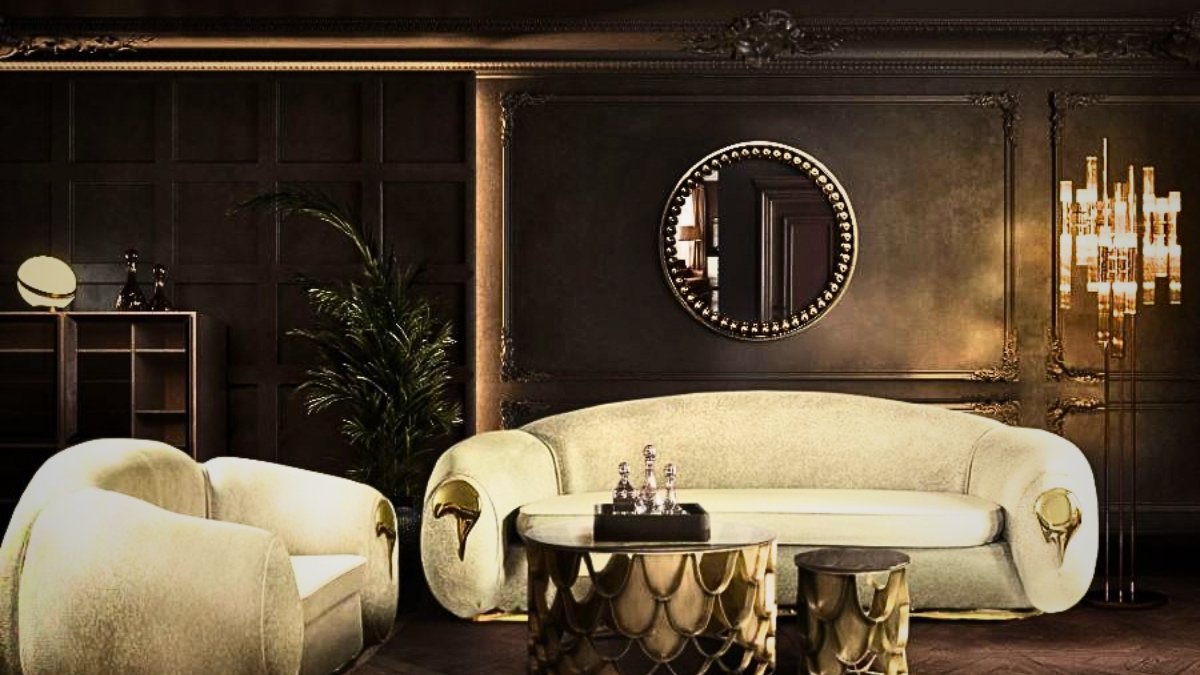
Why Personal History Has Become A Design Currency
The most valuable objects in 2026 interiors are rarely the most expensive ones. They are the most specific.
A dining table passed down through generations. A chipped mirror from a first apartment. Art bought before taste became curated. Books that were read, not colour-coordinated.
Psychologists have long argued that environments reflecting personal identity contribute to emotional stability. Familiar objects anchor memory, reduce anxiety, and reinforce continuity—especially in a world where everything else feels disposable.
Homes are becoming emotional infrastructure.
Expressive Design Is Not The Same As Loud Design
There’s a misconception that expressive interiors are chaotic or indulgent. In reality, they are often deeply intentional.
2026 design values:
Layering over sparseness
Texture over polish
Meaning over uniformity
Comfort over performative elegance
Colour is back, but not as trend bait. It’s used to evoke memory and mood. Patterns return, not to impress, but to ground. Imperfection is no longer apologised for—it’s curated with confidence.
This isn’t maximalism. Its memory made visible.
The PR Shift: From Aspirational To Relational
From a brand perspective, this evolution is quietly disruptive.
For years, home brands sold aspiration—spaces you could “upgrade into.” Now, consumers are seeking brands that can integrate into existing narratives rather than overwrite them. The messaging is changing from “this will elevate your space” to “this will belong in your space.”
That’s a far more difficult story to tell.
Design brands that still push one-size-fits-all luxury are discovering diminishing emotional returns. The future belongs to those who respect individuality, provenance, and context.
In short: people want homes that feel like conversations, not campaigns.
What The Market Says (And Doesn’t Advertise Loudly)
Interior spending hasn’t declined—but it has shifted.
Homeowners are investing more in:
Customisation
Restoration and upcycling
Artisan-made décor
Small-batch furniture
Materials with tactile presence
What they’re buying less of:
Trend-heavy statement pieces
Copy-paste influencer décor
Ultra-minimal furnishings with low emotional longevity
This isn’t frugality. It’s discernment.
The Pros: Homes That Age With You, Not Against You
The benefits of this shift are tangible:
Spaces that evolve naturally with life changes
Reduced pressure to constantly “update”
Stronger emotional attachment to home
Interiors that support mental well-being
Design choices that resist trend fatigue
A home that reflects you doesn’t expire every season.
The Cons: When Expression Becomes Another Performance
But let’s not romanticise it entirely.
Expressive design can slip into self-conscious storytelling. There’s a growing risk of curated authenticity—homes that look personal without being lived in. Personality, after all, can be commodified too.
There’s also privilege embedded in the narrative. Not everyone has the space, time, or resources to customise deeply. For renters, expressive design often exists in negotiation with landlords and limitations.
Identity-driven interiors should feel liberating—not obligatory.
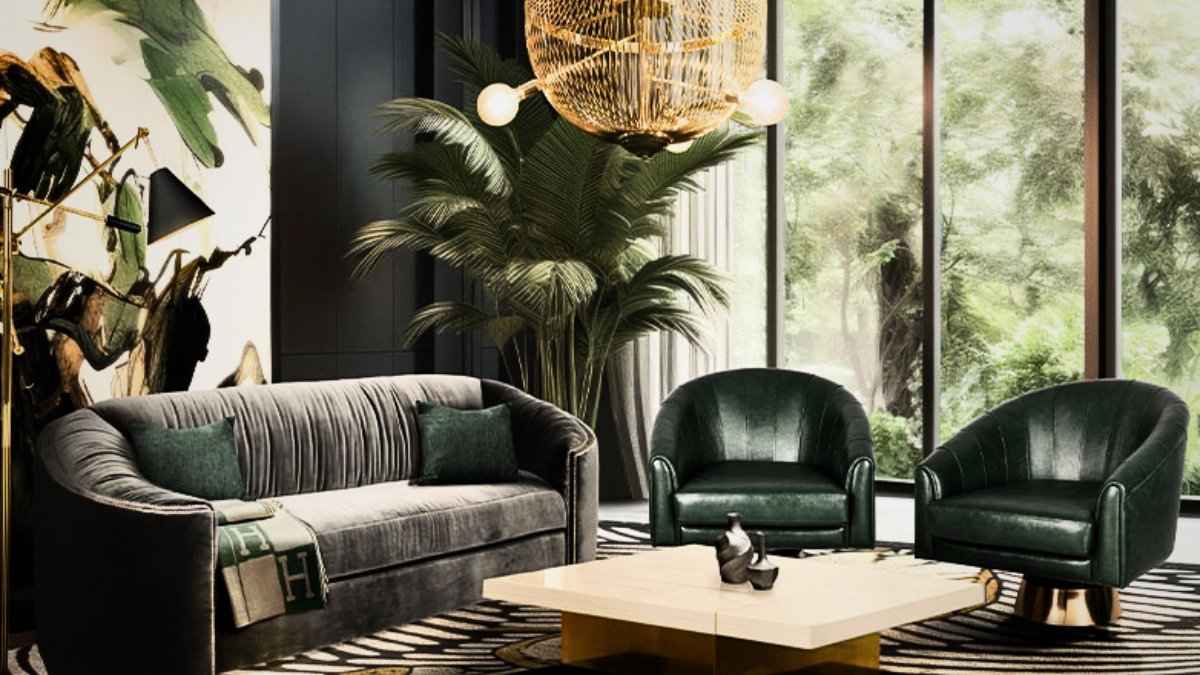
Why This Moment Feels Bigger Than Design
This isn’t really about furniture.
It’s about people reclaiming authorship in environments increasingly shaped by algorithms, trends, and external validation. When the world feels unstable, the home becomes a psychological anchor. A place where you don’t have to explain yourself.
Quiet luxury asked people to disappear politely.
Expressive living invites them to stay.
What Comes Next
Designers predict this movement will deepen rather than fade. Future homes will lean into:
Modular storytelling spaces
Objects with traceable origins
Flexible layouts for evolving lives
Emotional durability over aesthetic novelty
The goal isn’t to impress guests.
It’s to recognise yourself when you walk in.