






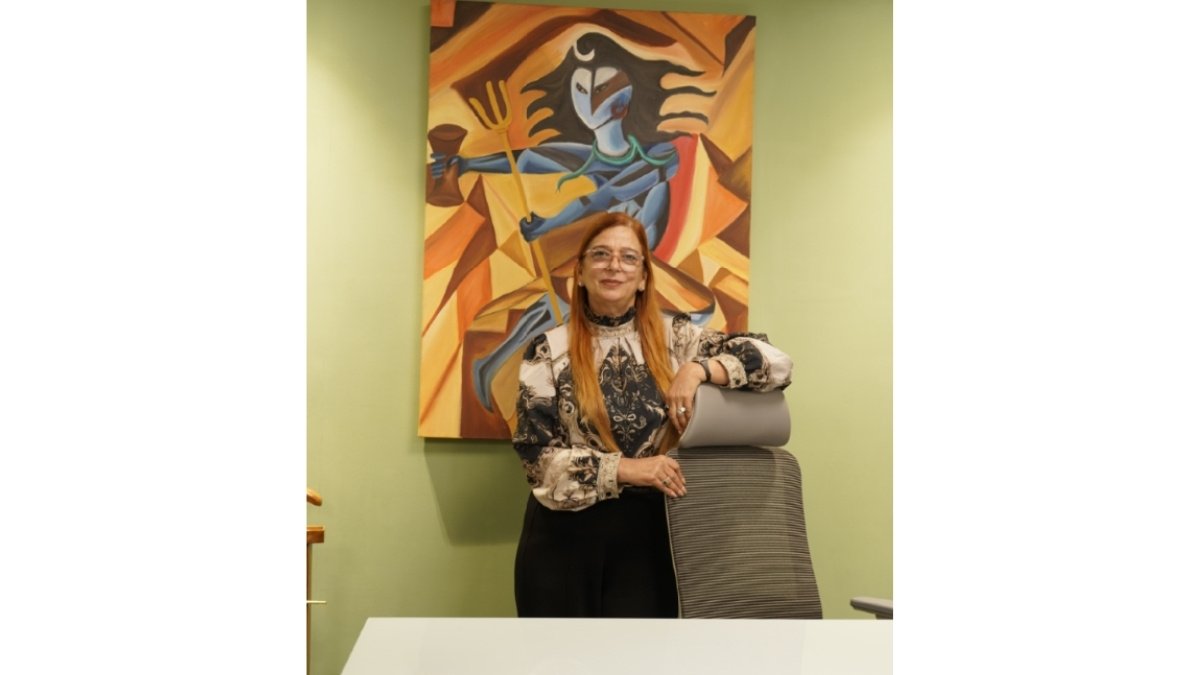


Dr. Shiva Kumar Uppala, MS (General Surgery), MCh (Surgical Oncology), FMAS
Minimally Invasive New Technology in Oncologic Surgery (MINTOS) seeks to identify, develop, and integrate into practice new technologies that enhance the care of cancer patients.
Bengaluru (Karnataka) [India], August 23: There are robots in cars, restaurants, factories, and even homes, where they perform mundane tasks like cleaning. When it comes to our leisure time, everyone prefers the newest smartphones and other devices, but when it comes to our physical well-being, we gladly accept antiquated methods of treatment. The use of robotic surgery, which combines high-definition (HD) imaging technology, specialised computer software, and precision surgical instruments, has greatly improved surgical accuracy and patient safety and has hastened the time it takes for patients to recover from their ordeal.
These days, concrete technologies are being used for cancer surgery too. Many surgeons are studying to gain the expertise of Minimally Invasive New Technology in Oncologic Surgery (MINTOS) which seeks to identify, develop, and integrate into practice new technologies that enhance the care of cancer patients.
MINTOS pursues to recognise, build, and incorporate into the procedure all the new efficient technologies that can boost the care of cancer patients. The MINTOS is built on four main areas as Robotic Surgery, Surgical Education, Research, and Perioperative Telemedicine.
To a large extent, Minimally Invasive Surgery (MIS) has become the norm in many surgical fields. When it was first used on human patients four decades ago, laparoscopy fundamentally altered our strategy and improved patient outcomes. The next step in the development of MIS was the introduction of Robotic Surgery more than two decades ago. Today, a successful operation shouldn’t be a matter of luck. A path to Predictable Surgical Success can be paved with the help of an advanced, stable, and predictable platform like Robotic Surgery.
As we celebrate 75 years of independence, India is shedding its reputation as a developing nation by becoming a world leader in robotic surgery.
According to a study conducted by the Imperial College of London on Global Innovation of Robotic Surgery, MIS is a very powerful development and a boon to surgeons as well, as it helps them to plan operations and train; to provide direction and routing during the intrusion, enhancing the surgeon’s confidence and the safety of the operation; and to perform accurate diagnoses, biopsies, and postoperative check-ups in a minimally invasive way.
The major efforts of the MINTOS program focus on four broad areas:
Robotic Surgery and related Clinical Operations: Da Vinci®’s robotic surgery system has four robotic arms. Although the robotic arms are doing the actual surgery, they still require direct input from the surgeon and cannot be merely programmed to operate without human intervention. Candidates for robotic-assisted surgery include patients undergoing prostatectomy, hysterectomy, thoracic procedures, and some general surgeries.
Surgical Education: The MINTOS integrates disciplines of oncologic surgery and develops a forum where participants will receive hands-on training in basic techniques and principles of laparoscopic and robotic surgery, as well as updates on new technology in minimally invasive surgery.
Research: Research is central to achieving the mission of eliminating cancer through surgical excellence and multidisciplinary collaboration that fosters discovery, innovation, and optimal patient care. MINTOS is concurrently researching the utility of new surgical robotic techniques and mobile technologies at each point along the surgical spectrum of care.
Perioperative Telemedicine: The focus of Perioperative Telemedicine is to advance the utilisation of telemedicine throughout the continuum of the perioperative experience – before surgery (preoperative), during surgery (intraoperative), and after surgery (postoperative).
In the field of robotic surgery, specifically for cancer surgeries and care, the Federal Drug Administration first recognised the world’s most advanced robot, the da Vinci® Surgical System, in 2000. Since then, the robot’s advancement has accelerated. This da Vinci system employs a 3D magnification screen that allows the surgeon to examine the operative area in high resolution. The surgeon directs the system’s arms while on the operating table. The robotic “wrists” rotate 360 degrees, allowing access to hard-to-reach areas of the body as well as unparalleled precision, flexibility, and range of motion.
A microscopic camera at the end of one of the robotic arms allows the surgeon to see clear images on a video monitor to guide them through the procedure. When compared to open surgery, robotic surgery patients have the following advantages: lower risk of infection, smaller scars, shorter recovery time, less postoperative pain, and the ability to return to normal activities more quickly. The report of the Commission on the Future of Surgery, co-authored by Imperial College London, also suggests that patients can positively believe surgery will be less invasive and more customised, with more predictable outcomes, faster recovery times, and a lower risk of harm.
The MIS cancer surgeries highlight a few key areas of technological advancement that are likely to have the biggest effects on how surgical care will be provided in the coming two decades. Robotic surgery and MIS result in quicker recovery times, Imaging (including virtual, mixed, and augmented reality), and patient-tailored implants from 3D printing, Big data, genomics, and artificial intelligence resulting in “precision” surgery customised to a patient’s genes, and specialised treatments such as improvements in transplants and stem-cell therapies, as well as 3D-bioprinting of tissues and organs and developing more sophisticated prostheses.
If you have any objection to this press release content, kindly contact pr.error.rectification@gmail.com to notify us. We will respond and rectify the situation in the next 24 hours.