





Mumbai (Maharashtra) [India], November 8: The world’s latest obsession isn’t marble countertops or imported Italian chandeliers — it’s sustainable home décor, wrapped neatly in bamboo, linen, and a subtle air of moral superiority. But let’s be honest: the “eco-friendly” label no longer lives in the rustic corners of minimalist Pinterest boards. It’s now stitched into designer sofas, embedded in premium lighting, and whispered across champagne-scented interior launch parties.
Because these days, being responsible is the ultimate status symbol. Sustainability has become seductive.
Luxury homes are no longer judged by how much they glitter, but by how gently they tread on the planet — and, ironically, how much their owners can afford to look guilt-free. Welcome to 2025, where carbon neutrality is the new cashmere.
A Green Revolution in Velvet Gloves
What was once dismissed as “eco-aesthetic minimalism” has now evolved into a billion-dollar industry. The global sustainable home décor market is projected to exceed $260 billion by 2026, with India alone contributing over $30 billion to the green interiors and furniture sector, according to industry reports.
In simpler terms? People are spending more to buy less — and it’s never looked more fashionable.
From reclaimed teak to biodegradable paints and organic linen, every inch of a modern interior screams, “I care.” Of course, some of it is marketing alchemy — transforming recycled wood into a sense of reclaimed exclusivity. But in fairness, sustainability has finally managed to make virtue… chic.
Why It’s More Than Just Aesthetic Virtue
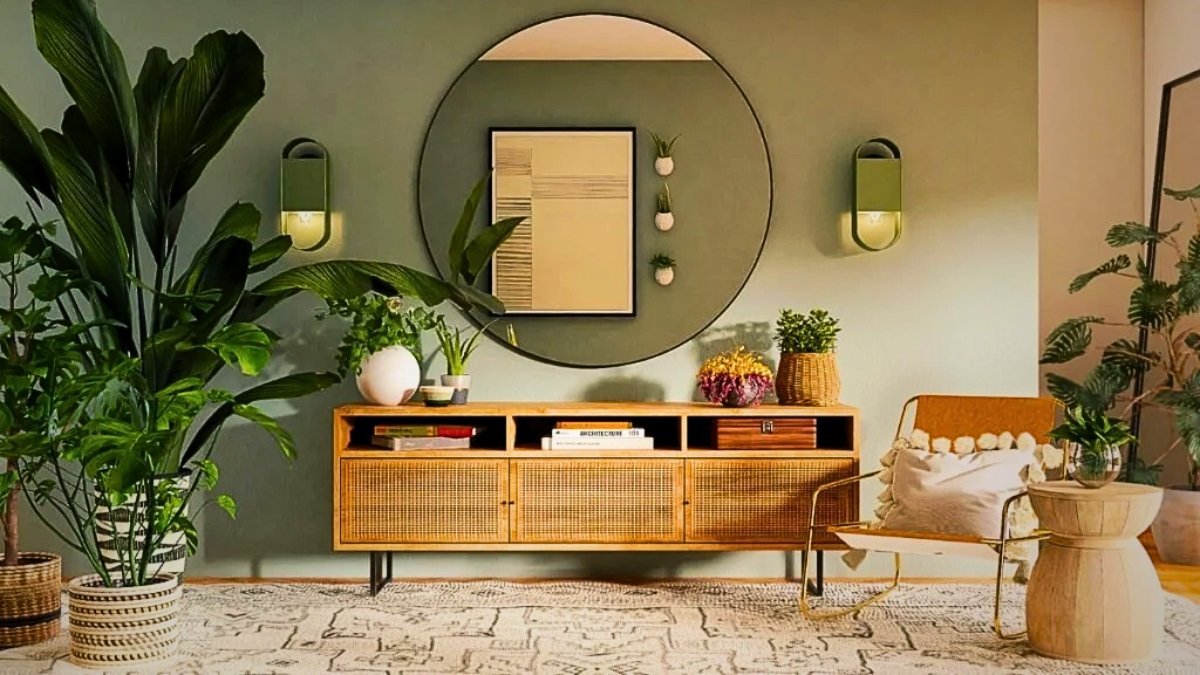
Designers argue that sustainable décor isn’t just about saving trees; it’s about saving sanity. Modern city homes, suffocated by screens and synthetic air, are beginning to crave texture — the imperfect, the earthy, the real.
When you walk into a space that breathes — literally — you feel it. Sustainable décor prioritises natural light, raw materials, and plants that actually clean the air. You don’t just live in the space; the space lives with you.
Environmental psychologists call it biophilic comfort. Translation: your brain feels better when surrounded by nature. Studies by the World Green Building Council reveal that indoor air quality, daylight, and natural textures can boost productivity by 15% and reduce stress by almost 30%.
In essence, eco-friendly design is turning luxury into a lifestyle prescription.
The Reality Behind The Reclaimed
| Category | Details |
|---|---|
| Global Market Size (2025) | USD 220 billion+ |
| Expected Growth by 2026 | USD 260 billion |
| Key Trend Drivers | Conscious consumerism, climate anxiety, biophilic design |
| Top Materials Used | Reclaimed wood, bamboo, jute, cork, clay, recycled metal |
| Cost Range (India) | ₹1.5 lakh – ₹25 lakh for full-home transformation |
| Energy Savings (avg.) | 20–35% through insulation, LED retrofits, and daylight maximisation |
| Top Players | IKEA, Pepperfry, Asian Paints Beautiful Homes, The Purple Turtles |
| Design Hashtags Trending | #EcoLuxury, #SustainablyChic, #GreenInteriors, #ConsciousDesign |
The Irony Wrapped in Linen
Let’s be fair — sustainable décor is beautiful. But it’s also expensive. While we’re all praising bamboo headboards and hemp rugs, someone should whisper that not everyone can afford guilt-free aesthetics.
Many “eco-luxury” brands now position themselves as saviours of the planet while charging half a year’s rent for a “carbon-neutral” chair. And yet, people still buy it. Why? In the post-pandemic era, ethics sell — especially when they appear to be designed.
There’s also an underlying paradox: creating sustainable interiors often involves unsustainable levels of consumption. We throw out old furniture to make space for the “green” ones. We replace working bulbs with LED variants to “start fresh.” But marketing loves moral irony.
In the words of one Mumbai-based designer:
“People don’t want simplicity — they want the illusion of simplicity wrapped in luxury.”
And it’s hard to argue with that.
The Conversation Online
Social media has turned sustainable living into an aesthetic performance. On Instagram, #SustainableHome posts have crossed 14 million, and TikTok’s #EcoInteriors is pushing 1.3 billion views globally.
One user wrote, “Nothing says self-care like buying a recycled-wood dining table you can’t afford.”
Another commented, “My plants are thriving. I’m not, but at least my living room has oxygen.”
Sarcastic? Yes. Honest? Absolutely.
Yet the trend remains unstoppable — because it’s no longer about the planet alone. It’s about identity. Sustainability has become social currency — a lifestyle badge that says, “I’m aware, I’m modern, and I have taste.”
The Benefits That Actually Matter
Sarcasm aside, sustainable décor does have tangible benefits. It doesn’t just look refined; it feels restorative.
Here’s what real-life converts are experiencing:
Improved Sleep Quality: Bedrooms with natural materials and reduced synthetic fabrics help regulate temperature and breathing.
Mental Calm: Spaces designed with earthy tones and textures reduce cognitive fatigue.
Long-Term Savings: LED lighting, natural cooling, and solar integrations cut energy bills by 25–40%.
Air Quality: Living walls and planters lower indoor pollutants by 60%.
Emotional Comfort: A subtle but undeniable sense of moral satisfaction.
In short — sustainability might have started as a design fad, but it’s quietly becoming a wellness strategy.
The Price of “Doing Good”
Make no mistake — designing sustainably isn’t cheap. From eco-certified materials to low-VOC paints, the investment is hefty. A full-home eco renovation can range anywhere between ₹1.5 to ₹25 lakh, depending on ambition.
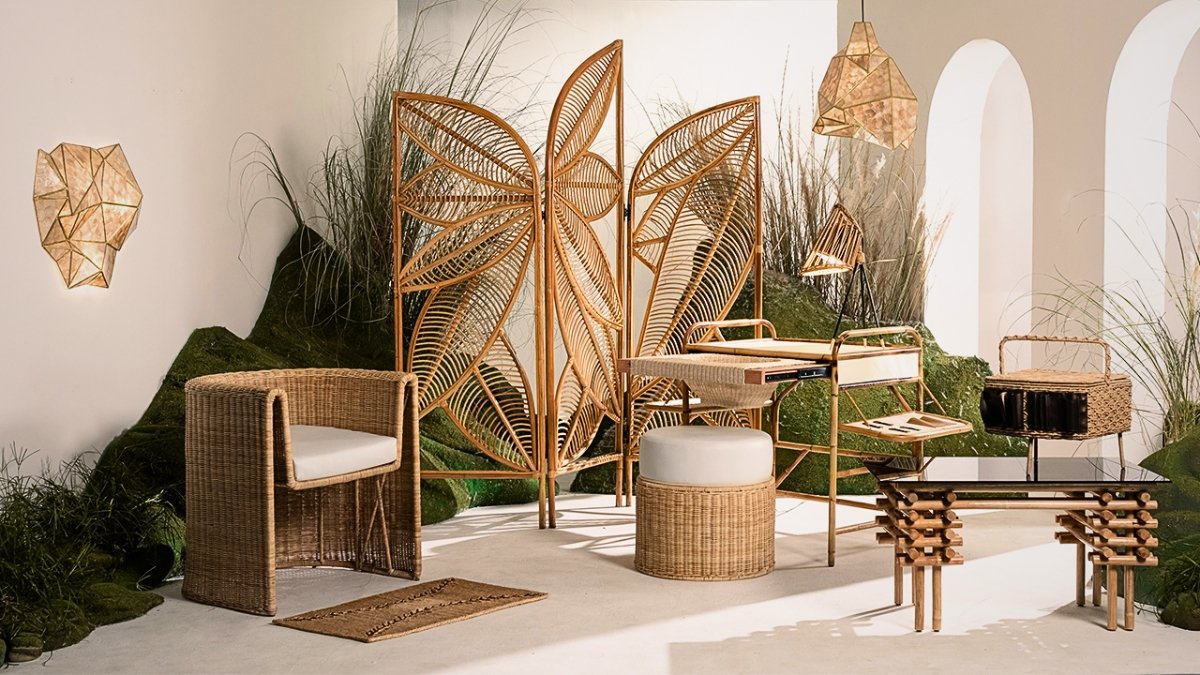
Yet, unlike most luxury purchases, sustainable décor offers emotional ROI. Each bamboo lamp and rattan chair becomes a quiet rebellion against waste. The spending feels justified.
As one architect wryly puts it,
“In 2025, we no longer buy design. We buy redemption.”
The Truth Beneath The Trend
Sustainability is no longer niche — it’s a narrative. And while not everyone embracing it is purely altruistic, the ripple effect remains undeniably positive. Conscious consumption has entered the mainstream, and even performative virtue can move industries toward genuine change.
For every influencer posting a “zero-waste” living room, there’s a craftsman earning fair wages. For every overpriced reclaimed-wood coffee table, there’s an awareness that the planet’s resources aren’t infinite.
So perhaps it’s okay if sustainability has become fashionable — because fashion drives desire, and desire drives transformation.
The New Kind of Luxury
Luxury has evolved from excess to essence. In this new world, wealth isn’t measured in gold leaf ceilings, but in spaces that let you breathe. The modern affluent no longer crave grandeur — they crave grounding.
Sustainable home décor isn’t a phase. It’s a mirror — reflecting both our vanity and our awakening. The planet may still be burning, but at least now, some living rooms are burning sage instead of plastic candles.
And maybe that’s progress — slow, poetic, and imperfect. Just like the people designing it.