






New Delhi [India], January 6: For decades, power distribution was the weakest link in India’s energy chain. Now, after years of bruising reforms, the numbers are finally blinking green.
Power distribution sits where ambition meets reality. You can build solar parks, commission wind farms, and talk up electric mobility all day. But if distribution utilities bleed cash and leak power, the system collapses quietly. That has been India’s recurring problem.
High Aggregate Technical and Commercial losses. Chronic debt. Endless bailouts. And a reputation for being reform-proof.
Something has shifted.
The India power distribution sector turnaround is no longer a policy slide or a hopeful projection. FY 2024–25 numbers show measurable change. Not cosmetic. Structural.
Why the Distribution Sector Matters More Than Ever
India’s clean energy target of 500 GW of non-fossil capacity isn’t just about generation. It depends on whether distribution utilities can absorb variable renewables, manage decentralised grids, and support electric mobility without blowing financial fuses.
DISCOMs are the gatekeepers. If they’re weak, renewable integration stalls. If they’re broke, grid upgrades don’t happen. If they’re opaque, investors stay cautious.
That’s why the government’s reform strategy has focused relentlessly on distribution. Not glamorous. Not headline-friendly. But unavoidable.
The results are now visible.
FY 2024–25: Numbers That Actually Matter
Let’s start with efficiency. Aggregate Technical and Commercial losses have dropped from 22.62 percent in FY14 to 16.16 percent in FY25. That’s not a rounding error. That’s years of metering, feeder separation, billing discipline, and less tolerance for leakage.
Then comes the money gap that haunted DISCOMs for years. The Average Cost of Supply minus Average Revenue Realised gap has narrowed sharply.
From ₹0.78 per unit in FY14 to just ₹0.11 per unit in FY25. Translation: utilities are finally recovering what it costs to supply power.
And then the headline moment. For the first time ever, India’s power distribution utilities posted a positive Profit After Tax. ₹858 crore in FY25. Compare that to a loss of ₹67,962 crore in FY14. That swing didn’t happen by accident.
Payment discipline has also tightened. Outstanding dues to generating companies collapsed by 96 percent. From ₹1.39 lakh crore in 2022 to ₹5,747 crore by December 2025. Payment cycles shortened from 176 days in FY21 to 120 days in FY25. Not perfect, but moving in the right direction.
Perhaps the most telling signal is this. Accumulated losses declined year-on-year for the first time. From ₹6.92 lakh crore in FY24 to ₹6.39 lakh crore in FY25. That’s a psychological break from the past.
What Changed Under the Hood
This turnaround didn’t come from one scheme or one announcement. It came from layering reforms until escape routes closed.
Late Payment Surcharge Rules forced utilities to respect contracts. Miss payments, pay penalties. Simple. Effective.
Tariff rationalisation rules pushed states to stop pretending electricity is free. Costs had to be recognised. Subsidies had to be accounted for transparently.
Financial discipline was reinforced by linking borrowing permissions to reform performance. Want more fiscal headroom? Fix your DISCOM first.
Operationally, smart metering and infrastructure upgrades under the Revamped Distribution Sector Scheme began plugging leakages at the consumer end. Not dramatic. Just relentless.
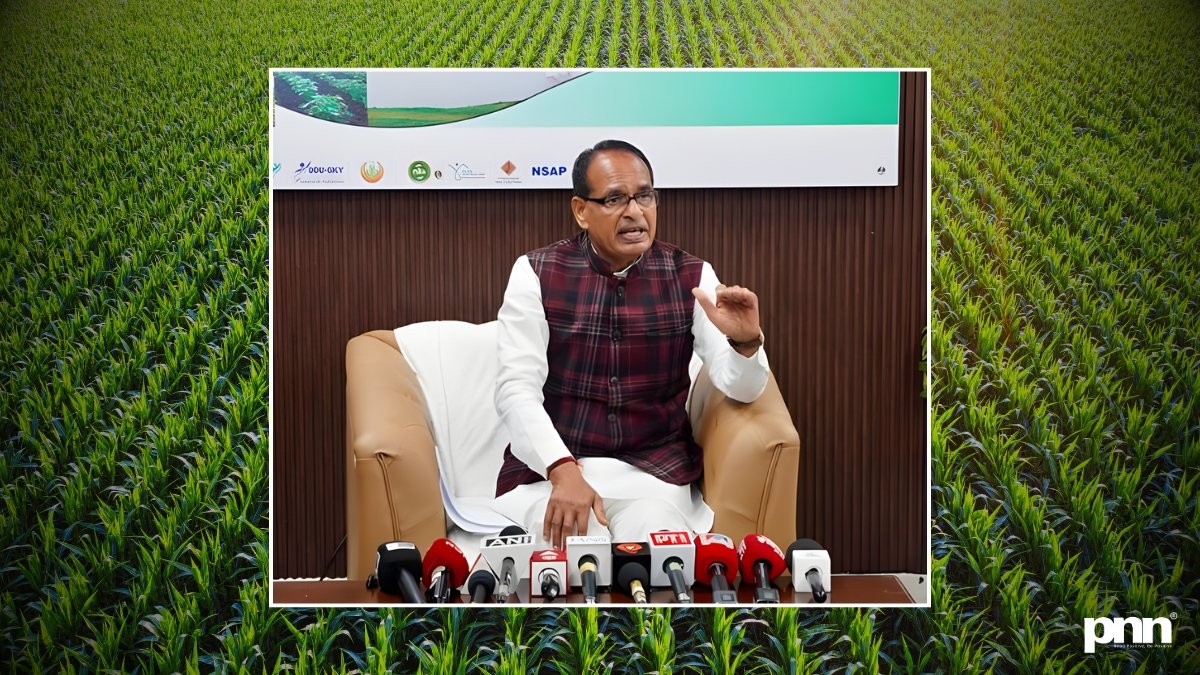
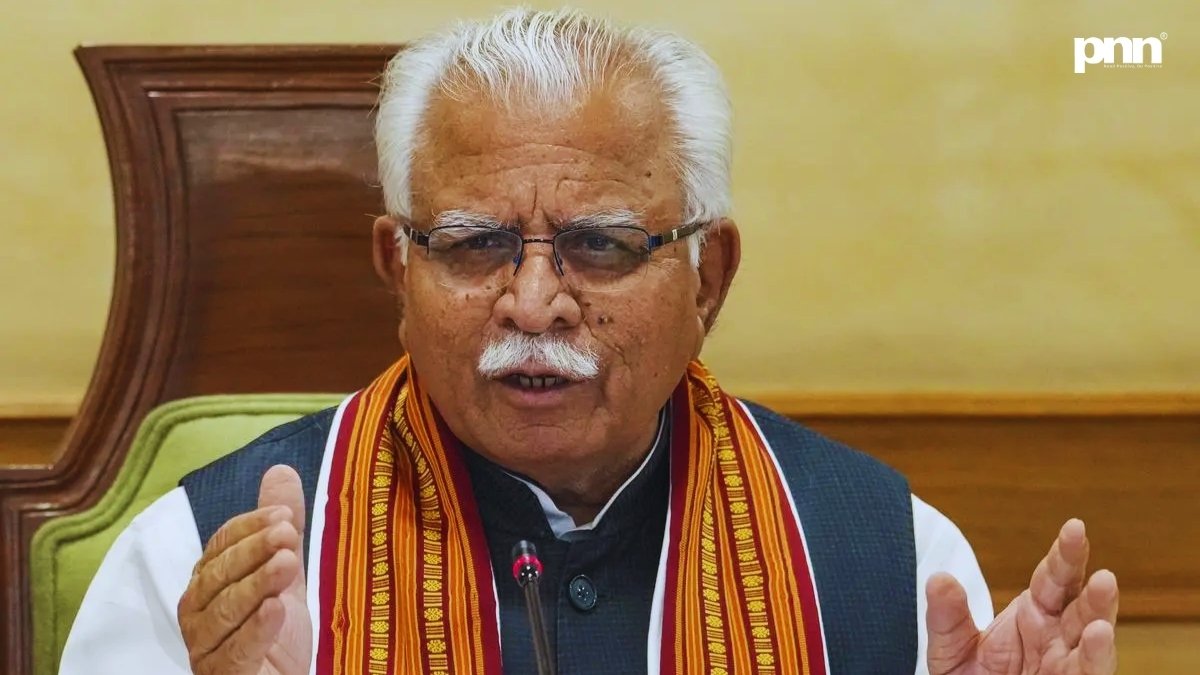
Union Power Minister Manohar Lal has repeatedly hammered the same point. A future-ready power sector needs financially strong distribution utilities. Affordable power doesn’t mean bankrupt utilities. It means efficient ones.
The Legacy Burden Still Looms Large
Now, let’s not get carried away.
Despite progress, distribution utilities still carry ₹6.39 lakh crore in accumulated losses and ₹7.18 lakh crore in debt as of FY25. Nearly 80 percent of this burden sits with a handful of states. Tamil Nadu. Rajasthan. Maharashtra. Andhra Pradesh. Uttar Pradesh. Telangana. Madhya Pradesh. Karnataka.
These aren’t small players. They shape national outcomes.
The India power distribution sector turnaround will stall if these structural pockets aren’t addressed. Political reluctance to raise tariffs. Delayed subsidy payments. Operational inefficiencies. They still exist.
Reforms have arrested the fall. Sustaining the climb is the real test.
Why This Matters for Viksit Bharat 2047
The government has framed distribution reform as a pillar of Viksit Bharat 2047. That’s not rhetoric. It’s arithmetic.
A green, digital energy future needs utilities that can invest. In smart grids. In storage integration. In EV charging infrastructure. None of that happens if balance sheets are broken.
The Electricity Distribution (Accounts and Additional Disclosure) Rules, 2025 aim to standardise accounting and expose financial reality. Transparency is uncomfortable. But it’s necessary.
Additional prudential norms now tie access to finance with performance benchmarks. No more blank cheques.
Amendments to electricity rules enforce timely cost adjustments and realistic tariffs. Politics aside, electricity has to be paid for.
Together, these measures are reshaping incentives. Slowly. Sometimes painfully. But clearly.
The Quiet Confidence Behind the Numbers
What’s striking is the tone shift. Earlier, every improvement came with caveats and disclaimers. Now, officials talk about sustaining gains, not rescuing failures.
That’s a subtle but important change.
The distribution sector isn’t fixed. But it’s no longer in free fall. And that alone changes investor confidence, renewable integration timelines, and state-level accountability.
For India’s energy transition, this is foundational work. Unsexy. Uncelebrated. But decisive.