






New Delhi [India], January 8: As private wealth grows across emerging economies, families are facing questions that extend well beyond investment performance. How should wealth be organised once it outlives the founder? How can families prevent personal dynamics from spilling into business decisions? And how can wealth remain relevant for generations that have grown up in very different environments?
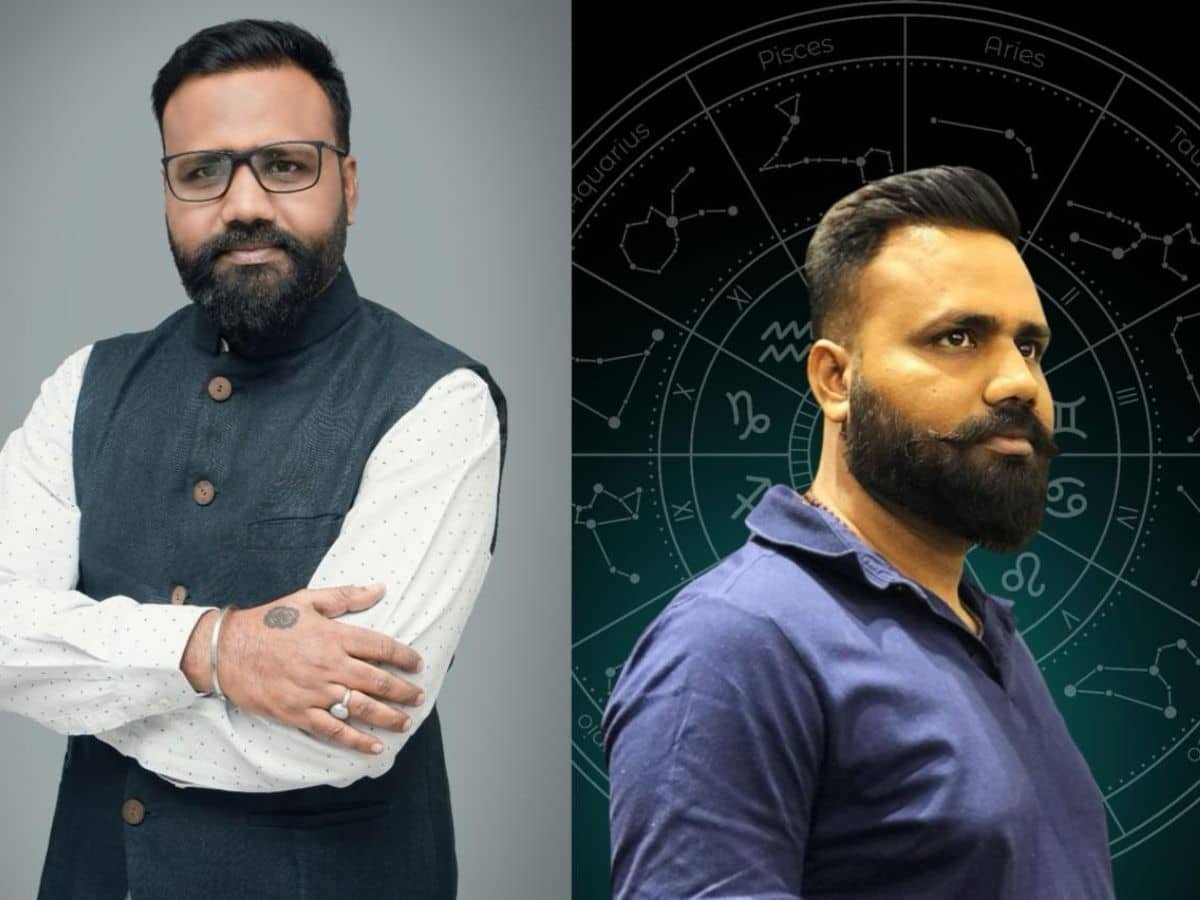
These questions sit at the centre of Soumik Bandyopadhyay’s work with business families across India and overseas. Drawing on decades of experience in finance, governance, and family enterprise, he views the global family office model as a practical response to complexity rather than a symbol of sophistication. In mature economies, family offices have evolved into institutions designed to provide continuity, structure, and long-term clarity. For emerging economies, they offer lessons that are increasingly difficult to ignore.
The Family Office as a Continuity Mechanism
In developed markets, family offices are built with continuity as their primary objective. They are not designed around short-term gains or annual benchmarks, but around ensuring that wealth, responsibility, and decision-making move smoothly across generations.
This approach contrasts with how wealth is often managed in emerging economies, where rapid entrepreneurial success can lead to wealth accumulation without parallel institutional development. Soumik Bandyopadhyay often highlights that continuity does not happen automatically with size of wealth. It requires deliberate structures that separate family wealth from operating businesses and protect it from both market volatility and internal strain.
Professionalisation Over Convenience
A defining feature of global family offices is professionalisation. In many mature systems, family offices are staffed by professionals whose sole responsibility is managing wealth, risk, and governance. These roles are kept distinct from operating business leadership.
In emerging economies, family offices are frequently treated as extensions of the core business, with senior executives or trusted insiders managing wealth alongside other responsibilities. While this may seem operationally expedient, it creates conflicting incentives. Business leaders are rewarded for growth and risk-taking, while family offices must prioritise preservation and stability. The global model shows why separating these functions leads to clearer judgement and fewer long-term complications.
Governance as a Practical Tool
Governance within global family offices is not about rigidity or control. It is about clarity. Documented frameworks define how decisions are made, who participates, and how disagreements are resolved. This reduces dependence on individual authority and allows institutions to function even when leadership changes.
In emerging economies, governance often remains informal and personality-driven. Soumik Bandyopadhyay observes that this approach works only up to a point. As families grow and wealth becomes more diversified, informality can create uncertainty. Formal governance, introduced thoughtfully, helps families navigate complexity without turning every decision into a personal negotiation.
Structured Communication, Not Emotional Escalation
Global family offices treat communication as a process rather than an afterthought. Regular family gatherings and meetings, transparent reporting, and defined forums ensure that family members remain informed and aligned. Sensitive issues such as succession, risk exposure, and asset allocation are addressed early rather than during moments of crisis.
In many emerging economies, communication within families is informal and emotionally driven. While closeness is a strength, the absence of structure can lead to misgivings and misalignments. The global model demonstrates that structure does not weaken relationships. Instead, it creates space for difficult conversations to happen calmly and constructively.
A Broader Understanding of Risk
Risk, in the global family office context, is viewed far more broadly than market fluctuations. It includes concentration risk, governance failures, reputational exposure, and family-related disruptions. This wider perspective recognises that wealth can be undermined as easily by internal breakdown as by external shocks.
Emerging economies often celebrate risk-taking, particularly among first-generation entrepreneurs. While this mindset drives growth, it can leave family wealth exposed once control begins to shift. Soumik Bandyopadhyay emphasises that defining risk tolerance clearly is essential. Ambition need not be abandoned, but it must be supported by safeguards that reflect long-term priorities.
Adapting Global Models to Local Contexts
One of the most common mistakes among high-net-worth families in emerging economies is attempting to replicate Western family office structures without adaptation. Legal systems, cultural norms, and family dynamics vary widely, and direct imitation often leads to misalignment.
The global family office model works best when treated as a set of principles rather than a fixed blueprint. Independence, professionalisation, governance, and transparency can be adapted to local realities. The objective is not to westernise family wealth management, but to strengthen it in a way that respects context while introducing discipline.
Purpose as an Organising Principle
Many global family offices are increasingly guided by clearly articulated purpose. Wealth is aligned with values that influence decisions across generations, from investment philosophy to governance design and philanthropy.
For emerging economies, this emphasis is particularly relevant. Rapid wealth creation can easily outpace clarity of intent. Soumik Bandyopadhyay views purpose as a stabilising force that helps families avoid fragmentation as businesses evolve or assets are restructured. Purpose provides continuity even when the form of wealth changes.
Preparing Future Generations
Global family offices place strong emphasis on preparing the next generation for responsibility. Education, exposure, and gradual involvement are built into the system. Successors are given understanding before authority and context before control.
In emerging economies, leadership transitions often happen too late or too abruptly. Founders may retain control for decades or hand over responsibilities without sufficient preparation. The global model demonstrates that continuity improves when leadership development is treated as an ongoing process rather than a one-time event.
Philanthropy With Structure and Intent
In mature family office systems, philanthropy is rarely ad hoc. It is structured, governed, and aligned with family values. This ensures consistency and accountability while allowing families to contribute meaningfully beyond their businesses.
Emerging economies often approach philanthropy through compliance or ad-hoc opportunism or personal preference. The global model highlights the value of treating giving as a deliberate extension of family intent rather than an obligation disconnected from long-term goals.
Institutions That Endure
The global family office model offers emerging economies a clear lesson. Wealth becomes fragile when it grows faster than the systems designed to manage it. Family offices succeed not because they are complex, but because they are intentional.
As Soumik Bandyopadhyay has consistently observed, families that focus early on structure, governance, and clarity are better equipped to navigate change. Professionalisation, disciplined communication, and clearly defined purpose allow wealth to serve generations rather than burden them. For emerging economies experiencing rapid private wealth creation, the path forward lies not in copying global models, but in learning from them. When adapted thoughtfully, the family office becomes more than a financial structure. It becomes an institution designed to last.
If you object to the content of this press release, please notify us at pr.error.rectification@gmail.com. We will respond and rectify the situation within 24 hours.