




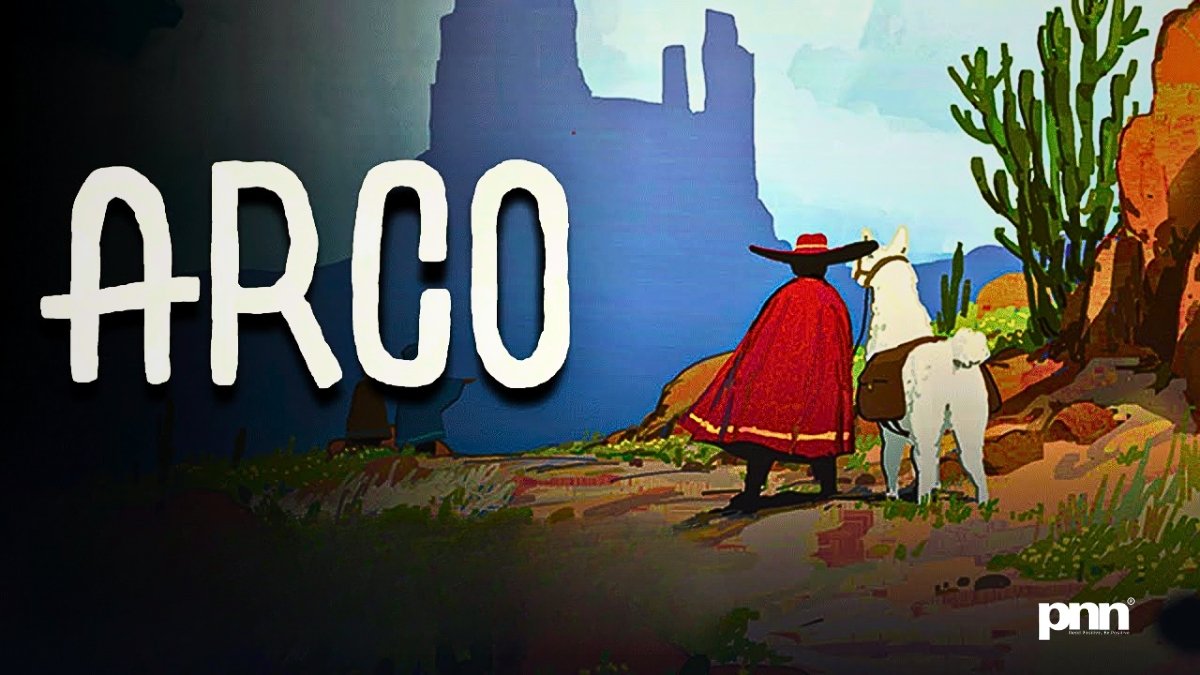
Mumbai (Maharashtra) [India], January 24: Natalie Portman’s Arco didn’t arrive waving a superhero cape or humming a nostalgic Disney tune. It slipped into the conversation quietly, carrying something far more disruptive: ideas. And not the pastel, easily digestible kind. The kind that sit at the dinner table, linger after the credits roll, and—according to Portman herself—spark awkwardly profound conversations with children about climate collapse, responsibility, and the future we keep postponing.
That Arco has now found itself in the Oscar conversation for Best Animated Feature feels less like a victory lap and more like a cultural eyebrow raise. Animated films are allowed to be emotional, whimsical, even traumatic (hello, childhood cinema scars). But asking existential questions about the planet’s trajectory? That’s usually reserved for documentaries no one watches or op-eds everyone argues about.
This is where Arco becomes interesting—not because it’s animated, or because Natalie Portman is involved (she always is, in some intellectually intimidating way), but because it refuses to play dumb.
And yes, that’s both its strength and its risk.
Animation Grows Up, Whether We’re Ready Or Not
There was a time when animation existed to distract children and comfort adults with nostalgia. That time is expiring. Slowly, stubbornly, but undeniably.
Arco sits firmly in the lineage of animated films that don’t ask for permission to be taken seriously. It uses visual softness to explore harsh realities—climate anxiety, futuristic displacement, inherited guilt. The kind of themes most studios soften into metaphors so abstract they lose meaning. Arco doesn’t flinch. It leans in.
Portman’s involvement as both producer and voice actor matters here. Her career has long oscillated between blockbuster visibility and cerebral risk-taking. This film feels less like a career move and more like an extension of her long-standing preoccupation with ethics, futurism, and human accountability.
It’s also telling that she speaks about the film not in terms of awards, but conversations—specifically with her children. That detail, strategically or sincerely shared, reframes the film’s ambition. This isn’t animation as escapism. This is animation as a starting point.
Which, frankly, is uncomfortable.
A Backstory Rooted In Cultural Fatigue
Arco did not emerge in a vacuum. It arrived during a moment of collective exhaustion—eco-anxiety, AI paranoia, and a growing mistrust of institutions that keep promising “later.” Audiences are no longer naïve enough to believe the future will fix itself, yet not empowered enough to know what to do about it.
This tension seeps into the film’s narrative architecture. Without leaning into overt preachiness, Arco reflects a generational mood: the unsettling awareness that we’re living in the prologue of consequences.
From a production standpoint, animated features dealing with climate themes have historically struggled to balance message with mass appeal. Studios fear alienating families who still expect animation to “feel safe.” Arco challenges that assumption—and possibly the box office comfort that comes with it.
The Oscar Buzz: Validation Or Contradiction?
The Oscar nomination buzz is both affirming and ironic. On one hand, it signals institutional recognition for animation that dares to be intellectually ambitious. On the other, it raises a familiar question: does validation arrive only after the risk has already been taken?
Historically, the Best Animated Feature category has oscillated between technical brilliance and emotional resonance, rarely venturing into overt socio-political commentary. Arco disrupts that pattern—not loudly, but persistently.
If it wins, it will be read as progress.
If it loses, it will still have succeeded in shifting the conversation.
Either way, the nomination itself acknowledges something quietly radical: animation is no longer a genre. It’s a medium. And it’s done being underestimated.
The Pros: Why Arco Matters Right Now
Cultural Relevance Without Condescension:
The film doesn’t talk down to its audience. It assumes intelligence—always a risky but rewarding move.Multi-Generational Dialogue:
Few films manage to speak simultaneously to children and adults without flattening complexity. Arco tries, and often succeeds.Portman’s Strategic Credibility:
Her involvement lends seriousness without overshadowing the story. This isn’t celebrity activism—it’s curated intention.Animation As Ethical Storytelling:
The medium allows difficult ideas to be explored with emotional distance, making them more accessible without diluting impact.
The Cons: Not Everyone Wants Depth With Their Popcorn
Let’s be honest—Arco is not an easy watch for those seeking light entertainment. And that’s a problem, commercially speaking.
Limited Mass Appeal:
Families expecting comfort may find themselves unexpectedly confronted with anxiety-inducing themes.Risk Of Over-Interpretation:
Critics eager to crown it “important” may project meanings that overshadow the film’s narrative subtlety.Market Resistance:
Studios still hesitate to fund animated films that challenge consumer comfort. Arco’s success may not immediately change that.Awards Fatigue:
Oscar buzz can sometimes narrow a film’s audience, boxing it into “prestige viewing” rather than cultural participation.
The Money Question Nobody Likes Asking
While exact production figures haven’t been publicly dissected, industry estimates place Arco within the mid-tier animated budget range—significantly lower than franchise-driven animation behemoths, yet higher than independent art-house projects. This middle ground is precarious.
Financial success for films like Arco isn’t measured solely in box office numbers. It’s measured in longevity, academic discussion, streaming endurance, and cultural citation. Whether studios will accept that as “profit” remains an open question.
Latest Industry Reactions And Quiet Applause
Recent commentary from animation insiders suggests a cautious optimism. Creators see Arco as proof that studios may be more willing to take thematic risks—provided recognisable names are attached. That caveat matters.
Meanwhile, educators and environmental advocates have quietly embraced the film as a discussion tool, signaling its potential afterlife beyond cinemas. That’s not glamorous, but it’s impactful.
So, What Does Arco Really Represent?
It represents a pivot. Not a revolution—those are louder—but a recalibration.
It suggests that animation no longer has to pretend it exists outside reality. That children can handle complexity. That adults should stop assuming innocence requires ignorance. And that climate conversations don’t always need charts and guilt—they can start with stories.
Portman didn’t make Arco to save the world. That would be absurd. But she did help create something rarer: a film that trusts its audience enough to unsettle them.
And in today’s cinematic landscape, that’s practically rebellious.