




Mumbai (Maharashtra) [India], June 18: Northeast India is rapidly emerging as one of the most important growth regions for medical education in the country, driven by rising MBBS seat capacity, new institutional development, improving connectivity, and a growing need for doctors across underserved states. Against the backdrop of India’s largest-ever expansion in medical education, Tripura is standing out as a smart and practical destination for aspiring doctors seeking quality education closer to home.
India’s medical education landscape has expanded sharply in recent years, rising from 387 medical colleges and 51,348 MBBS seats before 2014 to 818 colleges and 1,28,875 MBBS seats by December 2025. In October 2025 alone, the National Medical Commission approved an additional 10,650 MBBS seats across 41 new colleges for the 2025–26 session, reflecting the country’s continued push to expand access to medical education.
Within this national growth story, the Northeast has seen a remarkable transformation. The region has grown from an estimated 11–12 MBBS colleges a decade ago to roughly 25–27 today, with total MBBS seats rising from about 1,500 to more than 3,000. Three states that had no medical college at all in 2014 – Arunachal Pradesh, Mizoram and Nagaland now each have one, underscoring the pace at which medical infrastructure is being built across the region.
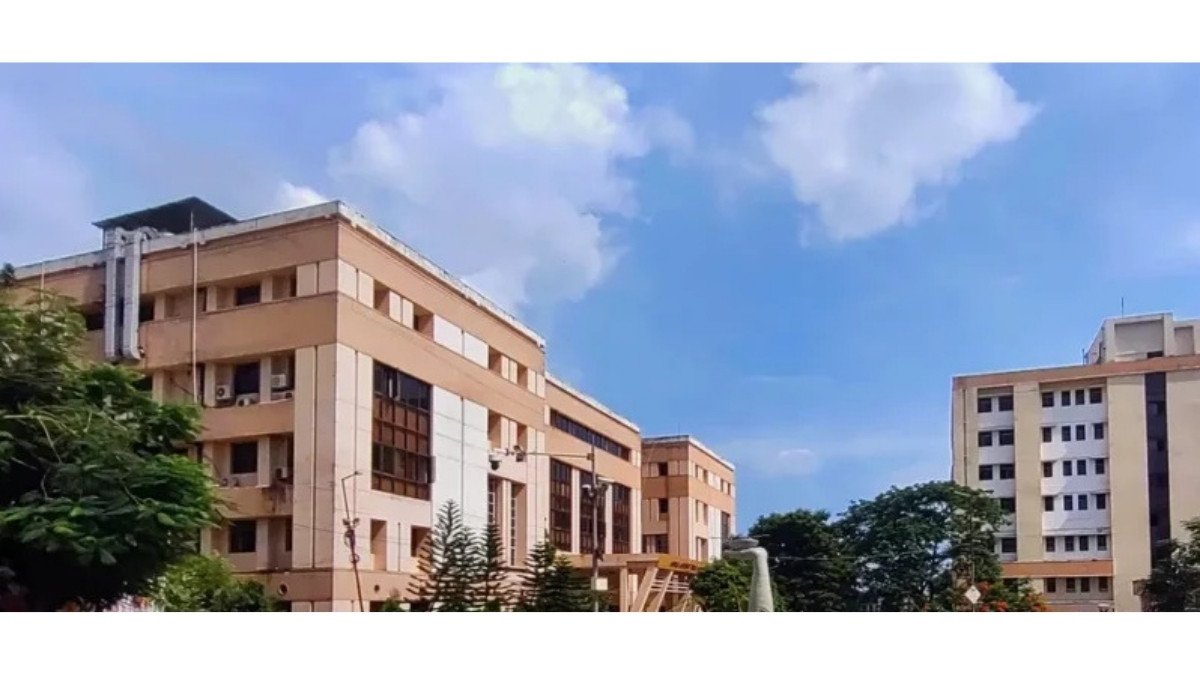
Tripura, in particular, has emerged as a notable education hub. The state now has three MBBS colleges – one government and two private or society-run institutions – with a total of 450 MBBS seats, up from an effective 225 seats just three years ago. This expansion became even more significant when the National Medical Commission sanctioned 50 additional seats on November 4, 2025, prompting Chief Minister Manik Saha to observe that the state had achieved “a record addition of 225 MBBS seats in the last three years”.
Commenting on the state’s growing importance in the medical education landscape, a professional from a leading Medical College, said, “Tripura is steadily emerging as a meaningful destination for medical education in India. The state’s expanding MBBS seat capacity, improving healthcare ecosystem, and better connectivity are creating the right environment for aspiring doctors to study and build their careers here. As more institutions, infrastructure and specialist services come up, Tripura is not just addressing local demand but also contributing to the larger national and regional mission of strengthening medical education and healthcare access.”
The state government has also publicly committed to making Tripura a “self-sufficient medical hub,” with plans and investments extending beyond undergraduate education into healthcare delivery and infrastructure. These include a government dental college with 63 seats, proposed Ayurvedic and homeopathy institutions, a Tripura University of Health Sciences, private super-speciality hospitals, an AIIMS New Delhi partnership for Agartala Government Medical College and GBP Hospital, and a 2026–27 state budget that sharply increases health allocation.
This growth is taking place at a time when the need for doctors remains acute, particularly across Northeastern states. India’s official doctor-population ratio is around 1:811 when AYUSH practitioners are included, but the numbers mask sharp regional disparity. Nagaland is estimated at around 1:1,600 and Mizoram at around 1:2,500, while rural community health centres across India faced an estimated 80% shortfall of specialist doctors in 2022–23. For medical graduates, this creates strong career demand and long-term opportunities in the region.
Tripura’s healthcare ecosystem is expanding alongside its medical education base. The state’s network includes around 104 rural hospitals, 94 PHCs, 22 CHCs and over 2,000 ASHA workers serving a population of 3.7 million, with most facilities empanelled under Ayushman Bharat (PM-JAY) and the Tripura Health Assurance Scheme for the Poor. Recent additions such as nine super-speciality services at GBP Hospital, kidney transplants done within the state, and planned liver transplant capabilities further strengthen the environment for future medical professionals.
Connectivity is another advantage that is often underestimated. Guwahati’s Lokpriya Gopinath Bordoloi International Airport is the undisputed gateway to the Northeast and the busiest airport in the region, handling 6.50 million passengers in FY 2024–25 and ranking as India’s 10th busiest airport. The newly inaugurated ₹4,000 crore “Bamboo Orchids” terminal, completed in December 2025, has added major capacity to the region’s connectivity backbone. Agartala’s Maharaja Bir Bikram Airport is the second-busiest airport in the Northeast, has been upgraded from Grade III to Grade II, now serves ten destinations, and handled around 15 lakh passengers in 2025–26.
For students and parents, this improved connectivity matters. It makes travel more affordable and convenient, supports family visits, and reduces the sense of isolation that once discouraged students from considering the region. Agartala’s integrated terminal, built under a ₹438 crore project and opened in January 2022, has strengthened the city’s accessibility and positioned it as the second-best-connected city in the Northeast after Guwahati.
The Northeast also offers a strong academic and lifestyle environment. Tripura has a cost of living that is modestly below the Indian average, India’s third-highest literacy rate at over 87%, forest cover exceeding 60% of its land area, and a reputation for being calm and safe. These factors contribute to a study atmosphere that is often seen as more focused and less stressful than crowded metro college towns.
Private medical colleges are playing an essential role in meeting India’s growing demand for medical education. With roughly 22–24 lakh students appearing for NEET each year for about 1.1–1.3 lakh MBBS seats, private and deemed institutions now account for nearly half of all MBBS seats in the country. This makes them critical to absorbing demand and expanding access, especially in regions like the Northeast where seat availability is improving steadily.
This capacity expansion also helps reduce the pressure to study MBBS abroad. More than 30,000 Indian students are currently enrolled overseas for medical education, including in Russia, Bangladesh, China and other countries, often at costs comparable to or higher than Indian private colleges and with added risks related to geopolitical disruptions and licensing uncertainty. India’s overall FMGE pass rate was just 20.19% in June 2024, meaning roughly four in five foreign-trained candidates failed the screening test. In this context, every additional seat in India represents one less reason for students to leave the country.
The broader trend points to a clear shift in perception. The Northeast is no longer seen only as a remote region; it is increasingly viewed as a destination with educational opportunity, career relevance, stronger infrastructure and an improving quality of life. For medical aspirants, Tripura offers a compelling combination of access, affordability, safety, connectivity and long-term professional opportunity.
Recent industry developments further support the strength of this narrative. The National Medical Commission’s October 2025 approval of 10,650 additional MBBS seats across 41 new colleges signals continued momentum in medical education expansion across India. The Northeast remains a priority region within that growth story, especially as states that once had no medical colleges now have at least one institution each.
Tripura’s positioning as a medical hub is also being reinforced through public investment, specialist services, and institutional partnerships. The state’s healthcare expansion, combined with its growing education capacity and improved air connectivity, makes it one of the more strategically important emerging markets for medical education in India. As awareness grows, the state is likely to attract not only local aspirants but also students from outside the region who are seeking a more affordable and supportive environment.
If you object to the content of this press release, please notify us at pr.error.rectification@gmail.com. We will respond and rectify the situation within 24 hours.