






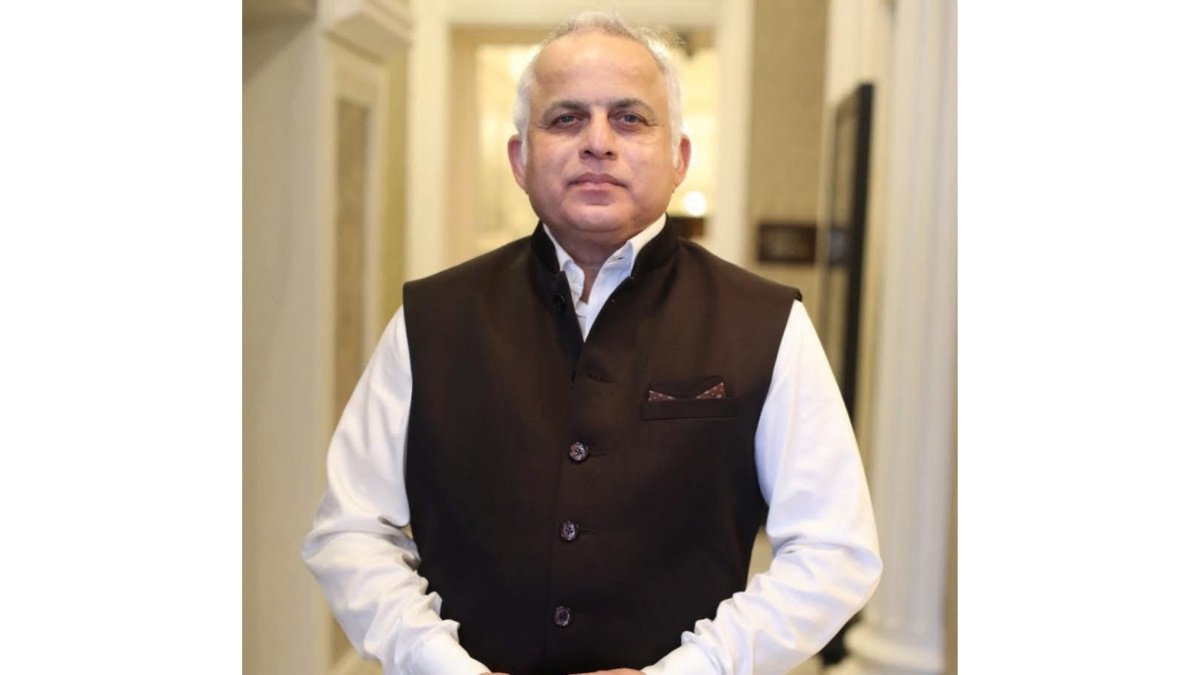
By (Mr. Santosh Marathe, MD & CEO; Sterling Hospitals)
New Delhi [India], June 22: In modern healthcare, technology has become one of the most visible indicators of progress. Hospitals proudly showcase advanced surgical systems, artificial intelligence-enabled diagnostics, advanced imaging platforms and state-of-the-art operating theatres. Patients, too, increasingly associate technological sophistication with better care. Yet, after spending decades in healthcare, I have come to believe that the most respected healthcare institutions demonstrate that sustainable excellence is created when technological leadership is combined with decades of clinical experience, continuous learning, and an unwavering commitment to patient care.
Advanced surgical platforms, artificial intelligence-enabled diagnostics, and next-generation imaging platforms have transformed the way modern healthcare is delivered. These technologies have undoubtedly enhanced precision, efficiency, and clinical decision-making across specialties. However, the true value of any technological advancement is realized when it is supported by experienced clinicians, well-trained multidisciplinary teams, robust clinical protocols, and a culture of continuous learning. Technology and expertise are not competing forces; rather, they complement one another to deliver the best possible outcomes for patients.
This is where the concept of legacy becomes particularly relevant. Across India, numerous hospitals have invested heavily in advanced technologies. However, only a select few have transformed technological adoption into long-term institutional excellence. Consider hospitals such as Lilavati, Breach Candy, Nanavati, and Jaslok in Mumbai. Their reputations have not been built merely because they acquired advanced technologies. They earned their standing because they consistently integrated innovation with clinical expertise, patient-centric care, and strong medical leadership over decades. Technology gave them capability. Their people and experience converted that capability into credibility. That distinction is important.
Healthcare institutions often focus on acquiring the latest equipment. Legacy institutions focus on building the ecosystem required to maximize its impact. They understand that technology is not a destination; it is an enabler. The most respected healthcare organizations view every technological investment through a simple question: Will this meaningfully improve patient outcomes? If the answer is yes, they invest not only in the technology itself but also in training, skill development, multidisciplinary collaboration, and continuous learning. This is how technological leadership is created. And over time, technological leadership becomes institutional legacy.
One of the best examples of this evolution can be seen in robotic-assisted surgery. Today, robotic surgery is recognized as one of the most significant advancements in modern surgical care. It enables greater precision, enhanced visualization, improved deftness and, in many cases, faster recovery for patients. However, the success of a robotic surgery program is not determined by the presence of a robot alone. Its success is determined by the experience of the surgical team, the depth of clinical expertise and the institution’s ability to continuously refine its practices along with the experience of treating patients through decades and the learnings of the local/regional healthcare needs that comes with it.
A hospital may purchase a robotic platform in a matter of months. Building a mature robotic surgery program, however, often requires years of clinical experience, hundreds of procedures, extensive training, and an unwavering commitment to quality outcomes, along with a legacy of presence in the market to create an unparalleled depth of clinical expertise that very few hospitals today claim to have. This is why some institutions become recognized leaders in emerging technologies while others remain adopters. The difference lies in accumulated expertise.
Over decades, healthcare institutions develop a unique advantage: they learn from every patient they treat, every surgery they perform, and every challenge they encounter. This collective knowledge becomes an invaluable asset that cannot be replicated through investment alone. Technology evolves rapidly. Institutional wisdom evolves slowly. The most successful healthcare organizations combine both.
This combination of innovation and experience is increasingly becoming a defining characteristic of healthcare leadership in India. Institutions that have consistently invested in advanced technologies while simultaneously building strong clinical teams have created benchmarks for the industry. Their influence extends beyond patient care. They shape clinical practices, attract top medical talent and inspire confidence among patients seeking the best possible outcomes.
In Gujarat, for example, institutions such as Sterling Hospitals have contributed to this evolution by consistently investing in advanced healthcare technologies, including robotic-assisted surgery, while building the clinical expertise required to support them. Their journey reflects a broader industry lesson: meaningful technological leadership is built over years of experience, not through a single acquisition or announcement.
This lesson is particularly relevant today, as healthcare enters an era of unprecedented technological transformation. Artificial intelligence, robotics, digital health platforms, and precision medicine are reshaping the future of care. The institutions that will emerge as leaders in this new era will not necessarily be those that acquire technology first. They will be the ones that apply it most effectively. They will be the institutions that invest equally in people and platforms, in expertise and equipment, in learning and innovation.
Because in healthcare, technology may attract attention, but outcomes earn trust.
And when advanced technology is combined with clinical excellence, continuous learning, and decades of experience, something far more enduring is created.
A legacy.
The hospitals that stand the test of time are not remembered simply for the technologies they introduced. They are remembered for how they used those technologies to make every healthcare decision, patient-centric.
That is the difference between adopting technology and leading through it. And that is how enduring healthcare institutions are built.
Disclaimer: Views expressed above are the author’s own and do not reflect the publication’s views.