





New Delhi [India], July 27: Whether it’s Netflix and Amazon Prime or Spotify, YouTube Premium, Google One, Microsoft 365, ChatGPT Plus, or memberships such as Zomato Gold, subscriptions have become a part of everyday life. Those small monthly bills are now getting to be big bills, and many consumers are asking themselves, why are bills going up?
The solution is a combination of increasing costs for businesses, evolving consumer preferences, and the economics of the subscription business model.
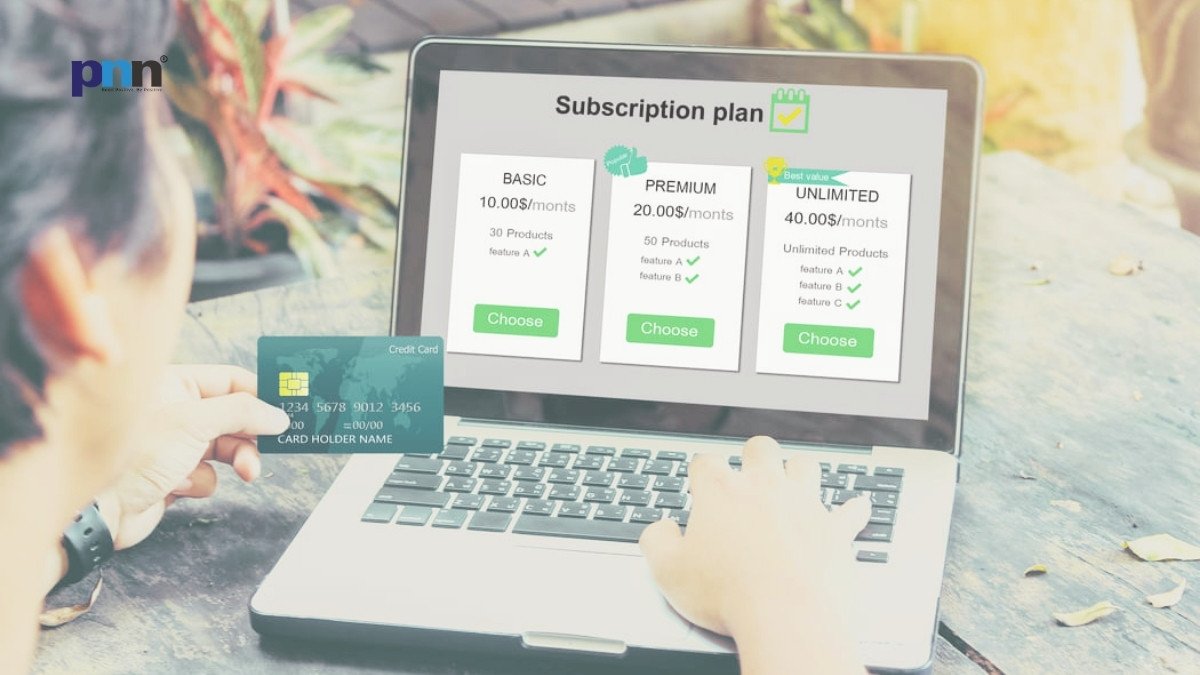
The Subscription Economy Is on the Rise.
India’s digital subscription market has grown at a fast pace in the last couple of years. The FICCI-EY Media & Entertainment Report 2026 shows that digital subscription revenues increased by 60% in 2025 and video subscription revenues have surpassed ₹14,800 crore. Companies are investing significant funds to keep consumers as they pay for digital content and services.
But serving millions of subscribers isn’t cheap.
Increased costs are spurring price changes.
The streaming platforms are investing billions worldwide in original productions, sports broadcasting rights, and movie and TV show licenses. Cloud providers are also constantly investing in infrastructure, cybersecurity, AI, and customer support.
These costs have increased significantly over the years and are likely to increase periodically as well.
In the last few years, companies such as Netflix and Spotify have adjusted subscription fees in various countries around the world. AI has also been integrated into premium software, such as those from Microsoft and Adobe, resulting in more expensive options for some customers.
New Features Come at a Cost
Subscription services are more than they were a couple of years ago.
Streaming platforms are still rolling out regional content, live sports, and more. New AI capabilities in productivity tools like Microsoft 365, Adobe Creative Cloud, and ChatGPT Plus demand much more computing power.
These enhancements make it more user-friendly, but they also add to the cost of operation and can be passed on to subscribers in the form of subscription fees.
Introductory Prices Don’t Last Forever
Many companies use an initial price point that is appealing to customers so that they have a big customer base.
As more users join, the businesses slowly shift to sustainable pricing models, allowing them to operate in the long run. Streaming services globally are looking to grow subscribers and make money with careful price adjustments instead of just growth, industry analysts say.
Exchange rates and taxes are also important.
There are a lot of popular digital services in India that are operated by global companies.
If the rupee depreciates against the US dollar, companies that have to pay for technology infrastructure or content in foreign currencies may have to adjust the prices at some point. Subscription fees may also vary over time due to changes in taxes and regulatory requirements.
Subscription Fatigue Is Real
In the typical urban household, Netflix, Amazon Prime, Spotify, YouTube Premium, Google One, Microsoft 365, and Zomato Gold can all be subscribed to simultaneously. Each service is a simple, inexpensive product on its own. But when combined, they can easily add up to ₹2,000-₹5,000 per month, depending on the plans selected.
Many consumers won’t know how much they are paying until they look at their bank statement at the end of the month, since payments are made automatically.
What Consumers Can Do
With the addition of new technology, AI features, and high-quality content, subscription fees are expected to keep climbing. That doesn’t mean that consumers are not entitled to review every renewal.
Reviewing recurring payments periodically, canceling unused ones, opting for annual payments if they provide actual savings, and sharing plans with family members (as appropriate) can help lower monthly costs.
Subscription has revolutionized the way people access entertainment, software and digital services. However, as companies keep investing in improved products and controlling cost increases, more and more subscription fees are becoming a part of the digital economy. Knowing the reasons for these hikes is the first step for consumers to make better spending decisions.
PNN Business https://pnndigital.com/category/business/