



Mumbai (Maharashtra) [India], July 31: Every four years, the Olympics end, India comes back with only a few medals, and the same old question pops up on everyone’s lips. How can a country with over a billion people have so few champions? Fast forward a few TV debates, and the talk almost always shifts to cricket. Why does every kid grow up dreaming of cricket, while other sports—athletics, swimming, wrestling, boxing—barely stand a chance?
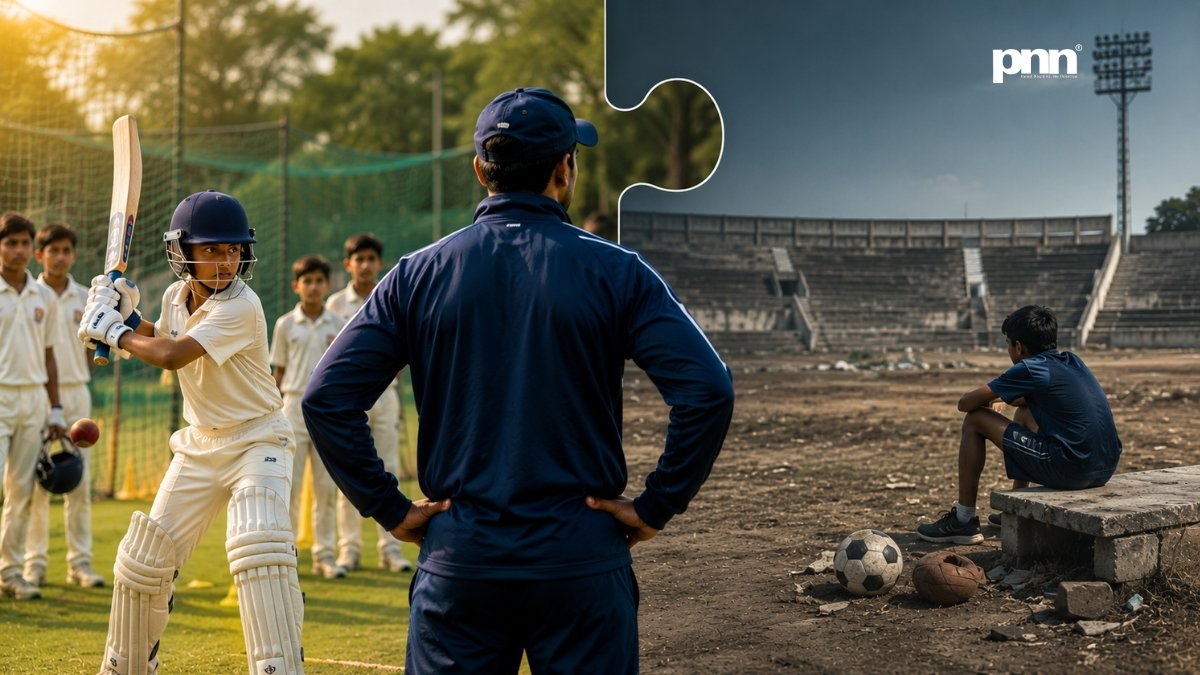
People love to blame cricket’s popularity, but that’s honestly just the surface. Dig a little deeper and you’ll find the real answer is much less flashy: India just doesn’t have enough good coaches. And the few that exist? They’re scattered, underpaid, stuck in the shadows. Even when we talk about sports policy, coaching barely gets a mention.
The Numbers Behind the Gap
Forget the medal tally for a moment and look below the surface; the gap’s impossible to miss. Khelo India reports show that the Sports Authority of India leaves hundreds of coaching positions empty, year after year. Sure, funding is important, but it’s not the heart of the issue. The country’s sports budget is bigger than ever. All that new money is finally pointing at the real bottleneck—coaching, not raw talent.
When Pullela Gopichand, India’s badminton legend, led a government task force, he hammered home this point until it changed policy at the highest level. He called for job security for top coaches—real contracts and steady pay, just like elite athletes get. The panel even said the Target Olympic Podium Scheme should cover coaching staff too. The fact no one thought of this before? That’s the problem in a nutshell. Picture a national coach who trains an Olympic medalist—and goes home making less than a middle manager in the corporate world.
What Cricket Got Right
So, what did cricket get right? Not just popularity, not just big crowds at matches—cricket built itself a coaching factory. The Board of Control for Cricket in India puts serious money into youth coaching and local academies, and it set up a real certificate system for coaches. If you’re a promising kid in Ranchi or Rajkot, you can get trained at school, picked up by scouts, fed into the IPL pipeline, and you’re playing for India ten years later. Every step of the way, you’ll have coaches earning a decent living—and treating it as their life’s work.
Take hockey. Once India’s crown jewel. But it took the Reliance Foundation teaming up with Hockey India—paying salaries for coaches, setting up academies in Odisha—before the men’s team finally made it back to the Olympic podium. The talent was always there. It just died out without coaches and support to sustain it.
Pockets of What Works
There are places getting this right. Check out the Inspire Institute of Sport in Vijayanagar, where the JSW Group hired coaches from abroad for wrestling and boxing and built a whole ecosystem around them—sports science, physiotherapists, everything. That’s how Olympic medalists get made. Same with Gopichand’s badminton academy in Hyderabad. They didn’t stumble on Sindhu and Saina Nehwal by accident—they treated coaching and support staff as non-negotiable.
These success stories aren’t about waiting for a single superstar to beat the odds. They’re about steady investment in coaching and refusing to treat it as an afterthought. India finds talented kids every year—scouts and grassroots tournaments prove that. The problem hits later. Too often, a bright teenager is stuck with a coach juggling three different age groups, zero access to a psychologist, no help for injuries, and no plan for what comes next.
The Fix Has to Be Structural
So, if you want to fix things, you have to fix the system. The new Khelo India Mission is about making coaches, scientists, and physios an official, recognized workforce. This shift finally acknowledges that champion athletes don’t just pop up out of nowhere.
Really, building a real coaching pipeline means three things have to happen together. First, coaching certificates need to be standardized across the country—a Level 2 badminton coach in Imphal should be as qualified as one in Pune. Second, coaching needs to actually pay well, with long-term contracts, so the smartest minds in sport don’t bail for TV or teaching rich kids on the side. Third, and maybe toughest of all, federations need to stop filling coaching jobs with bureaucrats and start treating coaches as the big difference-makers.
A Longer Race Than It Looks
India’s sports story usually goes: if you have enough people, you’ll win medals. But size without structure just leaves you with flashes of brilliance—and then disappointment when nobody’s there to take talent further. Cricket didn’t become what it is because Indians love bats more than anything else; it’s because someone built a system where coaches could thrive. Every other sport here is still waiting for that. Until it comes, the medal count will always lag behind the population, no matter how much money we throw in.