

Noida (Uttar Pradesh) [India], August 18: India doesn’t have a complicated relationship with street food. We love it without conditions. We’ll queue for it, drive across town for it, and argue over which stall does it best.
What’s complicated is everything around it: an open drain two feet from the tawa, a cart that hasn’t seen a proper clean in a week, nowhere to sit and eat, or an operator struggling to find a legitimate place to park and run a business.
At the other extreme is the food court – clean, climate-controlled, and predictable, but often lacking the character that makes street food compelling.
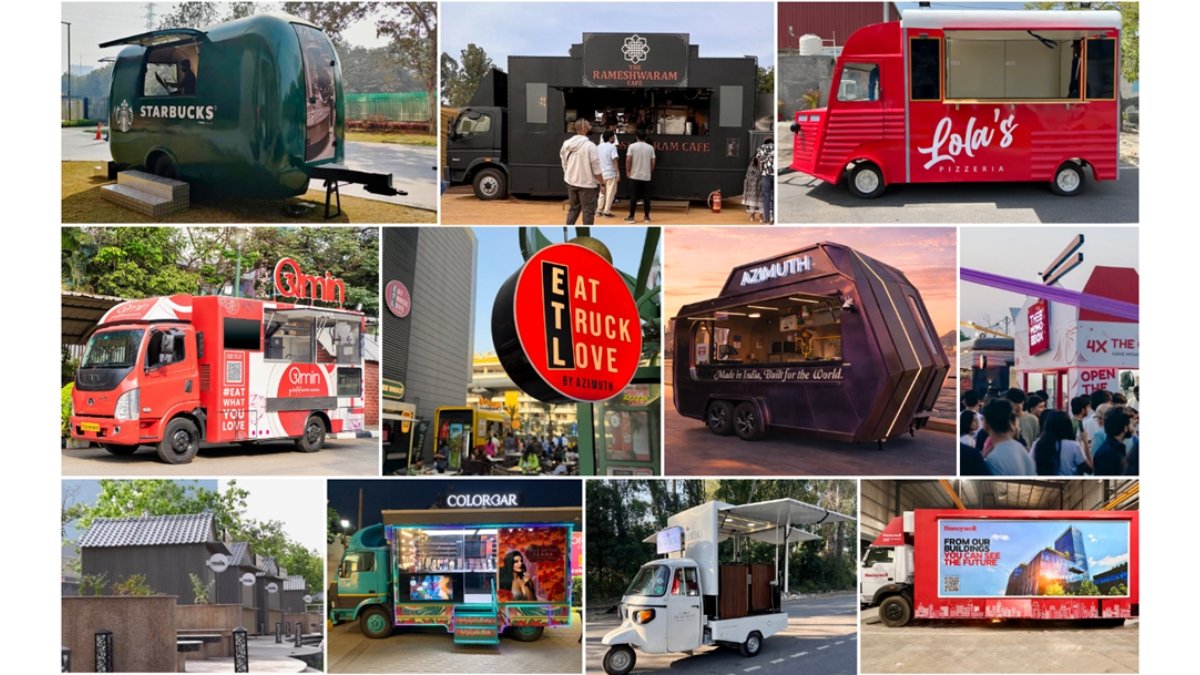
Eat Truck Love (ETL) is trying to occupy the space between the two. It is an outdoor food destination format that uses food trailers, trucks and kiosks to turn underutilised land into curated food zones, without requiring permanent construction.
ETL is operated by Azimuth Business on Wheels, a Noida-based company that designs and manufactures mobile infrastructure including food trucks, coffee trailers, retail kiosks, brand activation vehicles and other customised units. The company operates manufacturing facilities in Noida, Uttar Pradesh, and Erode, Tamil Nadu.
The idea for ETL emerged from a recurring problem Azimuth encountered among its customers. First-time F&B entrepreneurs would commission a trailer or food truck and then ask a more fundamental question: where do I actually run it?
The same challenge existed for established brands looking to expand into new locations. A well-built mobile unit with nowhere legitimate to operate from is, ultimately, a good-looking vehicle without a business address.
Azimuth had been helping customers solve the location problem informally through its network of contacts in food and real estate. Over time, it identified a larger opportunity: combining the manufacturing of the mobile unit with the location, utilities, and infrastructure needed to operate it.
That became ETL.
The model is already being tested on the ground. ETL has established four live zones in under six months across Noida and Greater Noida, including Central 50, Alpha 1 Metro Station, Bennett University and District 9. With plans to expand to more locations by the end of the current financial year.
For a university, township, metro-adjacent development or mall operator, the proposition is relatively simple – instead of building a conventional food court or allowing unstructured vending, unused outdoor space can be converted into a well-curated F&B destination – ETL zone.
The advantage is flexibility. Units are manufactured for specific menus and operating requirements, while utilities, ventilation, and hygiene are already taken into consideration at the design and fabrication stage, as Azimuth has been building such units and more since 2016.
For property owners too – the ETL concept is a faster alternative to permanent construction while getting greater control over the tenant mix and overall experience.
As far as the mobile infrastructure industry is concerned, the logic extends beyond food.
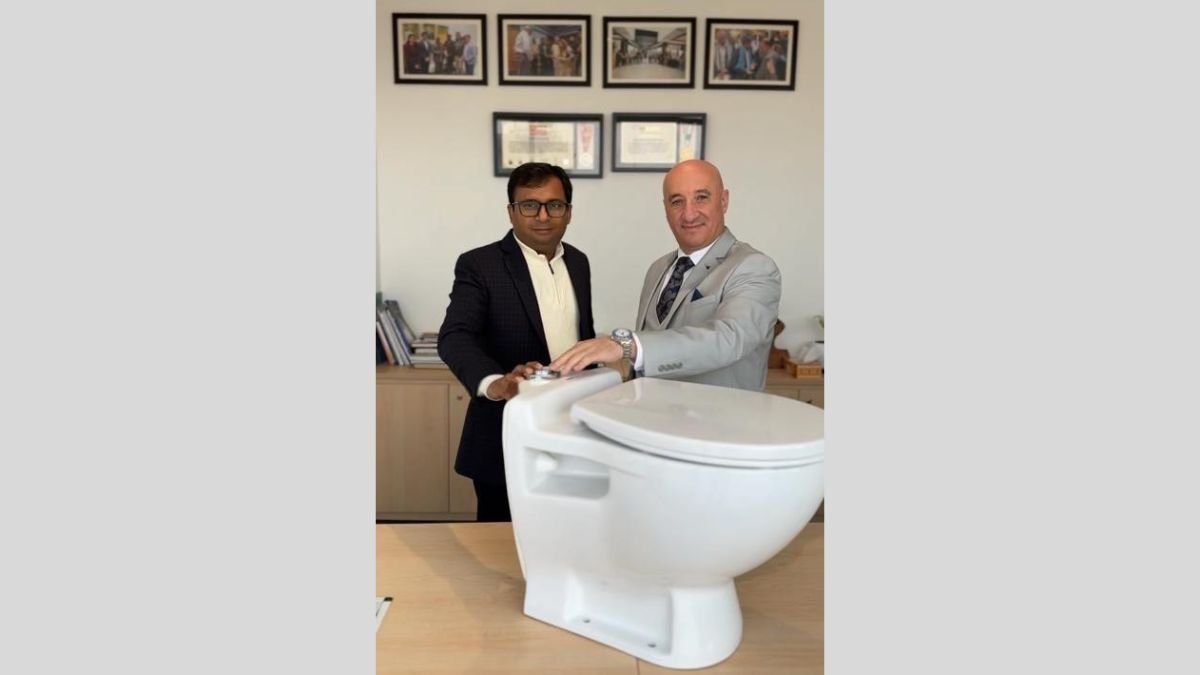
Brands are increasingly using mobile units for activations, sampling campaigns and pop-up retail. FMCG and cosmetics companies can take experiences directly to consumers. Clothing and lifestyle brands can use mobile retail units to test locations without committing to permanent stores. Azimuth has also built mobile washroom blocks and electrical infrastructure units – categories that demonstrate how broadly the mobile infrastructure model can be applied.
The shift is not limited to private businesses. Government authorities are also increasingly exploring modern, compact and deployable infrastructure for organised vending, public amenities and urban commercial spaces. Azimuth continues to work with authorities on building mobile infrastructure models in areas which were traditionally served by permanent construction.
There is a larger manufacturing story underneath this shift. Azimuth designs and fabricates its units domestically, from concept through production, and has also begun supplying international markets, including recent commercial kitchen trailer projects for Canada and the UK.
The larger opportunity, therefore, may not be food trucks alone. As businesses look for faster and more flexible ways to occupy space, sell products and create experiences, manufactured mobile infrastructure could well become a bridge between physical commerce and real estate.
For ETL, street food is the starting point. The bigger bet is on what happens when commercial space itself becomes mobile.
Website: www.oneazimuth.co.in
Socials: @azimuthbusinessonwheels