






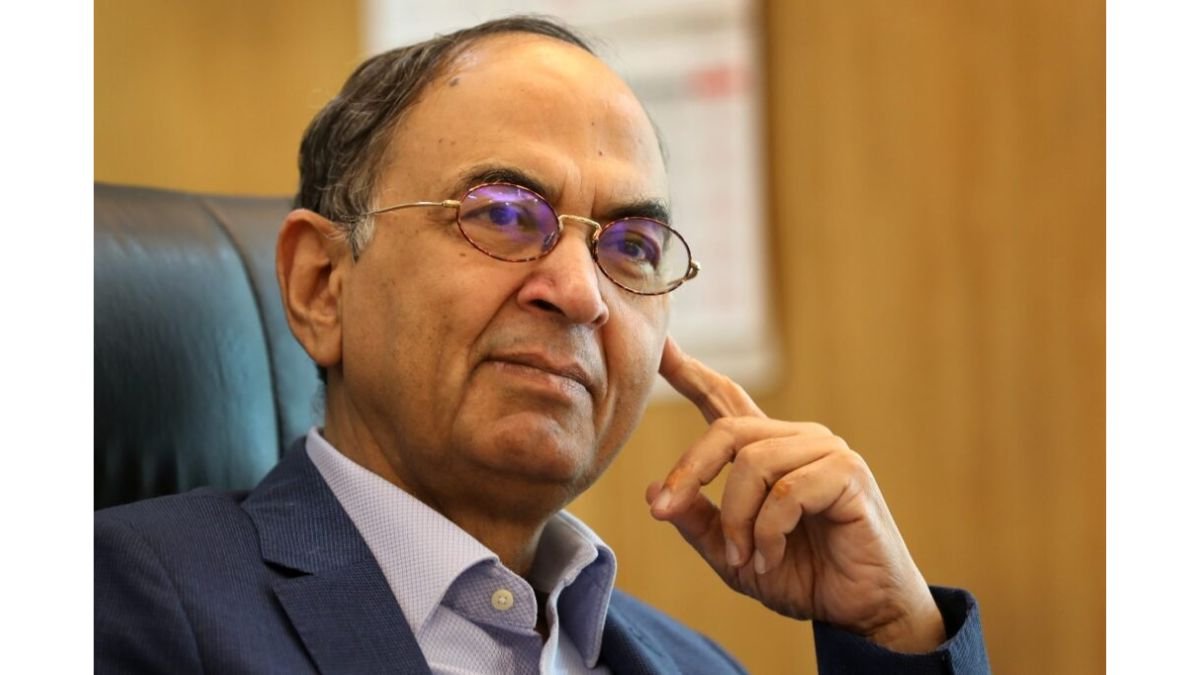
New Delhi [India], February 24: In a recent landmark decision, the Indian government approved a significant financial package aimed at supporting Di-Ammonium Phosphate (DAP) fertilizer manufacturers and revamping crop insurance schemes. PS Gahlaut, Managing Director of Indian Potash Limited (IPL), offers his insightful perspective on the implications of this policy shift, emphasizing the importance of reducing dependency on fertilizer imports and bolstering domestic production to ensure long-term sustainability. He opines, “This move, which involves a hefty subsidy of ₹3,850 crore for DAP fertilizers and an extended ₹69,515 crore outlay for crop insurance until 2025-26, is a crucial intervention to stabilize the agricultural sector.”
Dr. Gahlaut acknowledges the immediate relief these measures provide to farmers, particularly in light of rising global fertilizer prices and the increasing volatility of international markets. “The subsidies are expected to lower the cost burden on farmers, enabling them to access essential inputs more affordably. Similarly, the revamped crop insurance schemes aim to offer better risk coverage, safeguarding farmers against unpredictable weather patterns and crop failures. However, while these initiatives address short-term challenges, the need for a more strategic approach to fortify the agricultural sector against future disruptions,” says PS Gahlaut.
One of the primary concerns Dr. Gahlaut raises is India’s heavy reliance on imported fertilizers, which accounts for over 50% of its total fertilizer needs. This dependency, particularly acute in the case of potash where nearly 90% is imported, leaves the country vulnerable to global supply chain disruptions and price fluctuations. PS Gahlaut argues, “This scenario underscores the urgent need to develop a robust indigenous fertilizer industry. He advocates for leveraging India’s substantial reserves of natural minerals, such as the phosphate rock found in Rajasthan, which remains significantly underexploited.”
To curb these concerns, Dr. Gahlaut also highlights the importance of enhancing domestic production capabilities through targeted investments in mining and manufacturing. He points to the necessity of advancing research and development (R&D) in the fertilizer sector, which could lead to the creation of innovative, high-efficiency fertilizers tailored to the unique needs of Indian agriculture. These advancements could not only reduce the overall consumption of chemical inputs but also improve crop yields and soil health, contributing to a more sustainable agricultural ecosystem.
Another critical element in this strategy, according to Dr. Gahlaut, is the fostering of Public-Private-Producer Partnerships. “The development of a vibrant fertilizer industry requires substantial capital investment and technological expertise. By encouraging collaborations between the government and private enterprises, the necessary infrastructure for large-scale production can be established,” opines PS Gahlaut. He also suggests that the government could incentivize this process by offering tax rebates, subsidies for R&D initiatives, and reduced costs for essential inputs like natural gas, which is a key component in fertilizer production.
Moreover, Dr. Gahlaut underscores the environmental benefits of increasing domestic fertilizer production. Locally manufactured fertilizers would reduce the carbon footprint associated with long-distance transportation, aligning with global efforts to combat climate change. He also points to the potential for promoting organic and bio-fertilizers, which can enhance soil fertility and reduce the environmental impact of conventional farming practices.
While concluding, he mentions, “While the Cabinet’s recent financial aid and insurance reforms are laudable steps towards supporting farmers, a long-term vision focusing on self-reliance in fertilizer production is imperative. Such a strategy would not only mitigate the risks associated with global market dependencies but also ensure the resilience and prosperity of India’s agricultural sector.”
Disclaimer: Views expressed above are the author’s own and do not reflect the publication’s views.