






Mumbai (Maharashtra) [India], July 4: In an age where headlines compete for attention by the minute, some of the world’s gravest humanitarian emergencies quietly slip beneath the global radar. Sudan’s conflict has become one of those uncomfortable reminders that silence does not equal stability. While the world’s cameras remain fixed on elections, artificial intelligence, and sporting spectacles, another warning has emerged from Northeast Africa—one that carries consequences far beyond the battlefield.
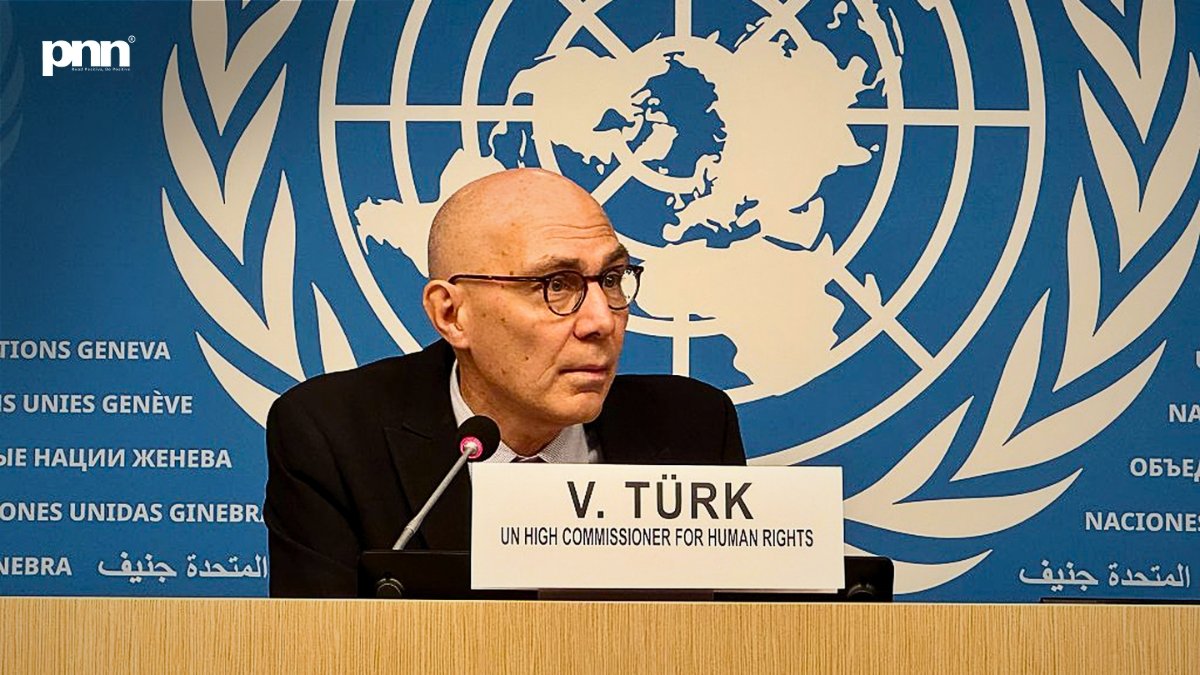
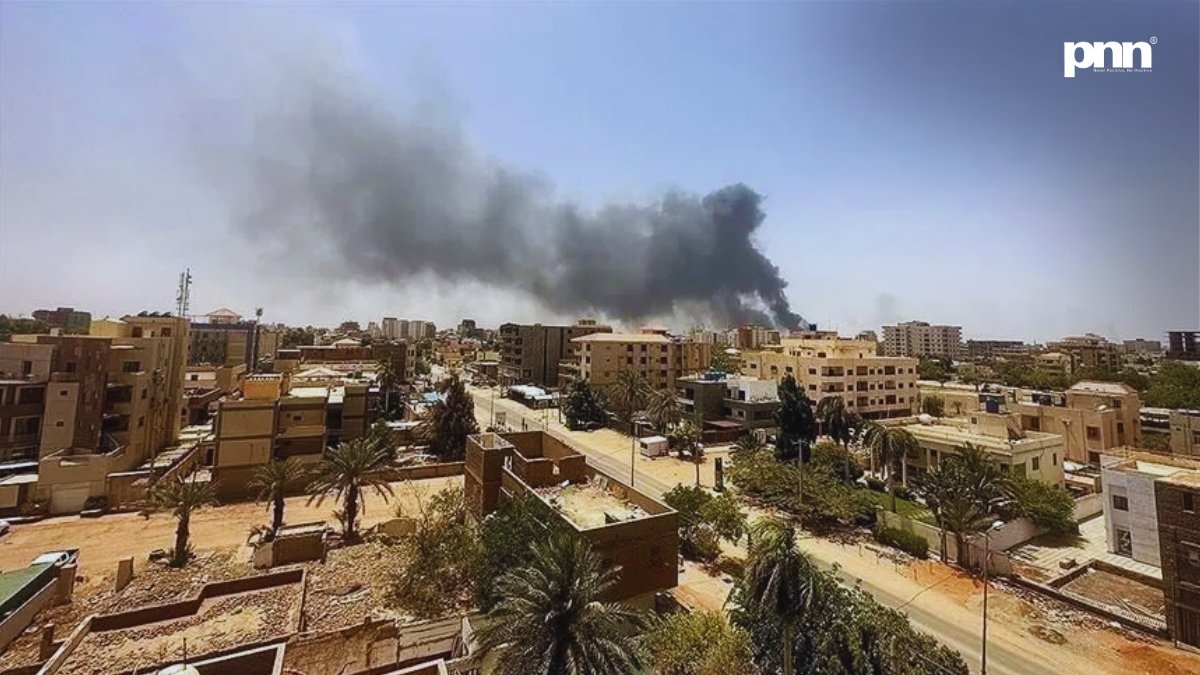
The United Nations has warned that fighting around El Obeid, the capital of Sudan’s North Kordofan State, is intensifying. According to humanitarian officials, repeated drone strikes and continued clashes are placing civilians at increasing risk while further complicating relief operations in a country already experiencing one of the world’s largest humanitarian crises.
The tragedy is not merely that the conflict continues.
It’s that many people have stopped noticing it.
A Conflict That Refuses To Fade Away
Sudan has remained trapped in armed conflict since April 2023, when tensions between the Sudanese Armed Forces (SAF) and the Rapid Support Forces (RSF) escalated into nationwide fighting. What many initially feared would become a prolonged political crisis has evolved into a devastating humanitarian emergency affecting millions.
The latest warnings surrounding El Obeid suggest that the conflict is expanding into strategically important areas, threatening civilian infrastructure, transportation routes and humanitarian supply chains.
For aid organisations, every new escalation means another logistical puzzle.
For civilians, it often means another impossible choice.
Why El Obeid Matters
El Obeid is more than just another city appearing in international headlines.
Often described as a vital commercial and transportation hub linking western and central Sudan, its stability directly influences humanitarian access across several conflict-affected regions.
International agencies warn that increasing violence around the city could:
- Disrupt humanitarian aid deliveries.
- Increase civilian displacement.
- Threaten food distribution networks.
- Limit medical assistance in the surrounding regions.
As conflict spreads, the cost is rarely measured only in damaged buildings.
It is measured in interrupted lives.
The Humanitarian Emergency Continues To Expand
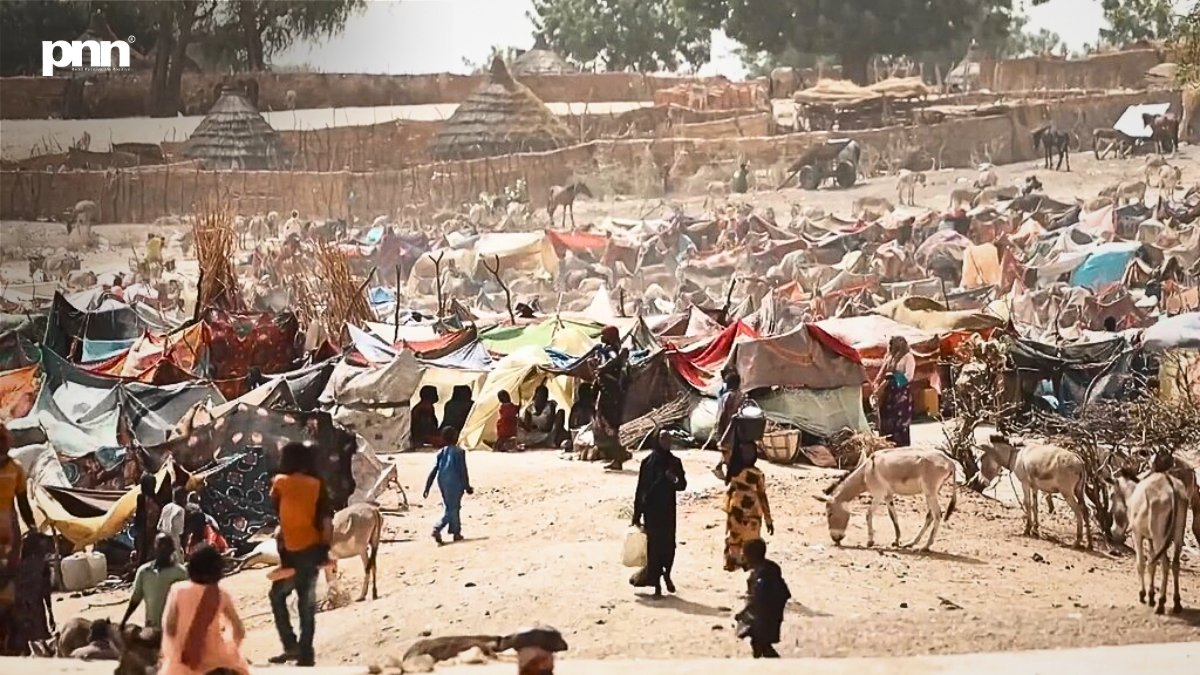
According to the United Nations and humanitarian organisations, Sudan remains among the world’s largest displacement crises.
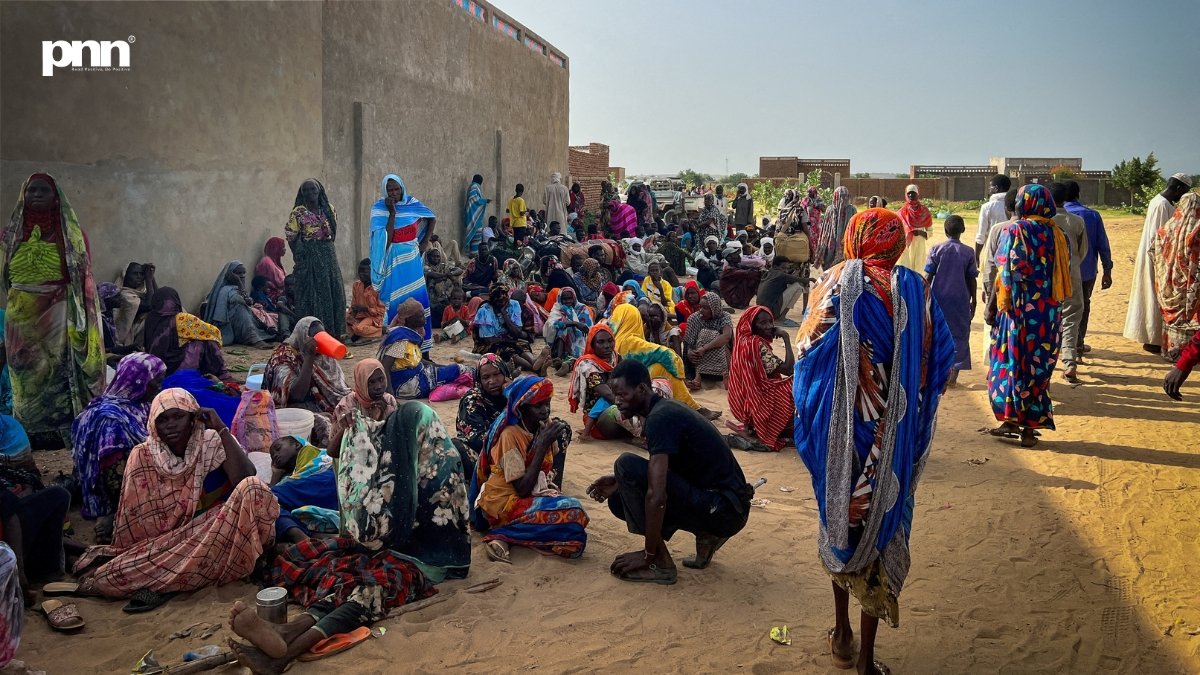
Millions of people have been forced from their homes, while millions more require urgent humanitarian assistance, including food, healthcare, and clean water.
Current concerns include:
- Growing displacement across conflict zones.
- Food insecurity affecting vulnerable communities.
- Damage to hospitals and public infrastructure.
- Restricted humanitarian access due to ongoing fighting.
International relief agencies continue urging all parties to respect humanitarian law and facilitate safe access for emergency assistance.
Unfortunately, diplomacy often travels considerably slower than armed conflict.
The International Community Faces Difficult Questions
The latest UN warning once again highlights the challenge of responding to prolonged conflicts that receive declining international attention.
Governments, regional organisations, and humanitarian agencies continue calling for ceasefire negotiations, civilian protection, and expanded humanitarian corridors. Financial support for relief operations has also become increasingly important as aid needs continue to grow.
Potential priorities include:
- Strengthening humanitarian funding.
- Expanding civilian protection measures.
- Supporting diplomatic negotiations.
- Improving regional coordination for displaced populations.
These objectives remain achievable.
Achieving them simultaneously is considerably harder.
The Economic Cost Extends Beyond Sudan
Armed conflict rarely remains confined within national borders.
Sudan’s instability has affected regional trade routes, agricultural production, and migration patterns across neighbouring countries. Businesses operating in East and Northeast Africa continue monitoring developments closely, while international organisations warn that prolonged instability may further strain regional economies.
Conflict also affects investment confidence, infrastructure development, and long-term reconstruction efforts.
Peace, despite its reputation for being priceless, often turns out to be remarkably good economics.
The Pros And The Challenges
Although the humanitarian situation remains deeply concerning, international engagement continues to provide some avenues for progress.
Positive Developments
- Continued UN humanitarian coordination.
- Ongoing diplomatic engagement by regional partners.
- International aid efforts supporting displaced communities.
- Growing global attention to civilian protection.
Continuing Challenges
- Escalating violence around strategic cities.
- Increasing civilian casualties and displacement.
- Limited humanitarian access.
- Long-term reconstruction becoming more complex.
Why The World Cannot Afford To Look Away
The UN’s latest warning is not simply another conflict update.
It is a reminder that humanitarian crises rarely disappear because public attention moves elsewhere. Sudan’s future will ultimately depend not only on military developments but also on sustained diplomatic engagement, humanitarian assistance, and international cooperation.
History repeatedly shows that rebuilding societies is far more expensive than preventing their collapse.
Perhaps the greatest danger isn’t that Sudan’s conflict is worsening.
It’s that the world risks becoming accustomed to reading about it as though worsening were somehow normal.