



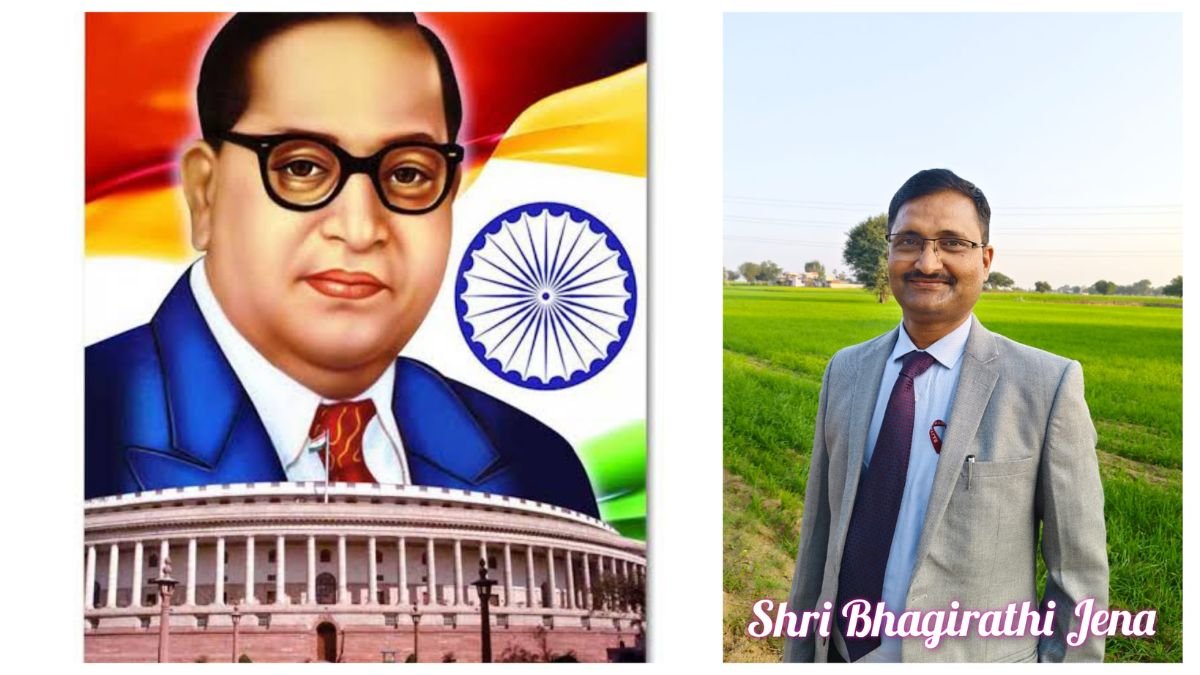
As we commemorate Dr. B.R.Ambedkar’s birth anniversary on April 14th, it’s important to remember his remarkable contributions that have shaped the legal and social landscape of India and continue to have a global impact. Known for his tireless work as a social reformer, lawmaker, and the principal architect of the Indian Constitution, Ambedkar’s progressive reforms were not only revolutionary for his time but are also crucial for ongoing conversations around equality, justice, and workers’ rights in the modern world. His vision of a just society—where women, children, and workers are given their rightful place—remains profoundly relevant today.
Ambedkar’s advocacy for women’s rights was groundbreaking. In a society where women were often denied ownership of property, Ambedkar pushed for the Hindu Women’s Right to Property Act, 1937, which granted Hindu women the right to inherit property. This law was revolutionary at the time and laid the foundation for future reforms in gender equality and economic independence for women. His vision of empowering women also extended to marriage laws. In 1929, Ambedkar played a crucial role in enacting the Child Marriage Restraint Act, which set the legal marriage age at 14 for girls and 18 for boys, helping prevent child marriages that were prevalent at the time.
His work did not stop with just women’s rights; Ambedkar also reformed laws related to marriage and family life to ensure justice for both men and women. He championed the Hindu Marriage Act of 1955, which provided legal grounds for divorce, a revolutionary step in a society where divorce was largely taboo. The Hindu Succession Act of 1956 followed, granting women equal inheritance rights to family property. These reforms helped reshape the dynamics of marriage and family life in India, providing legal safeguards for women’s autonomy and equality within the family unit.
Ambedkar’s work on child welfare was also a significant part of his legacy. He advocated for adoption rights and maintenance laws, ensuring that children—irrespective of caste or class—had the right to be adopted and cared for by legal guardians. These laws not only protected the rights of children but also laid the foundation for social security and protection, ensuring that vulnerable individuals were given a fair chance in life.
However, one of Ambedkar’s most lasting contributions was his push for labor rights. Ambedkar recognized that long working hours were not only physically debilitating for workers but also a sign of exploitation. His advocacy for an 8-hour workday in the early 20th century was ahead of its time and focused not just on improving productivity, but on ensuring that workers had time for rest, family, and personal development. Ambedkar argued that a shorter workday would not only benefit the worker’s physical and mental health but would also enhance productivity by creating a more balanced and motivated workforce.
In today’s world, where the debate around work-life balance is more pertinent than ever, Ambedkar’s advocacy for the 8-hour workday remains highly relevant. The global workplace has drastically changed with the advent of technology and remote working, yet many workers still face the pressure of long working hours. According to a 2021 report by the International Labour Organization (ILO), around 38% of workers worldwide still work more than 48 hours per week. Long working hours contribute to burnout, poor mental health, and physical exhaustion, all of which ultimately reduce productivity.
Ambedkar’s vision, however, stands as a counterpoint to the culture of overwork. Countries like Sweden and Germany, where workweeks are shorter and labor rights are stronger, have shown that reduced working hours lead to better productivity, healthier employees, and higher job satisfaction. In India, the Factories Act of 1948—which Ambedkar had a hand in shaping—laid the groundwork for limiting working hours and ensuring paid leave for workers. These reforms were not only aimed at improving the quality of life for workers but also at promoting their dignity and well-being.
Today, as we debate the future of work, with terms like “work-life balance” and “mental health at the workplace” becoming central to policy discussions, Ambedkar’s ideas about labor rights are more important than ever. The global conversation about flexible work arrangements, paid leave, and mental health support can trace its roots back to his insistence on reducing working hours and ensuring that work should not overpower life.
Ambedkar’s work also extended to the broader framework of human dignity. His belief that every individual—irrespective of caste, gender, or social status—deserved equal rights under the law formed the cornerstone of India’s legal system. His vision for a society where human dignity was paramount is reflected in the Indian Constitution, which upholds the rights of every citizen to equality, liberty, and justice. In many ways, his efforts laid the groundwork for modern movements advocating for social justice and equality worldwide.
As we reflect on Dr. Ambedkar’s legacy, it’s crucial to acknowledge that the issues he addressed—gender equality, labor rights, and social justice—are not just historical problems; they are ongoing struggles that continue to shape societies today. Whether it’s the fight for equal pay, the debate around reducing working hours to improve productivity and mental health, or the need for stronger protections for women and children, Ambedkar’s reforms still serve as a guiding light.
In today’s context, as we struggle with maintaining a healthy work-life balance in a world of constant connectivity and remote work, Ambedkar’s advocacy for shorter working hours is a timeless reminder that work should never come at the expense of personal well-being. His vision was clear: a society that values human dignity must provide space for rest, leisure, and personal growth. As we honor his birth anniversary, let us not only remember his contributions but also strive to continue his fight for a just and equitable world where every individual can thrive, free from exploitation, and with the opportunity to lead a balanced and dignified life.
Shri Bhagirathi Jena is a Deputy Director Interpretation at the Rajya Sabha Secretariat Views expressed above are the author’s own.