



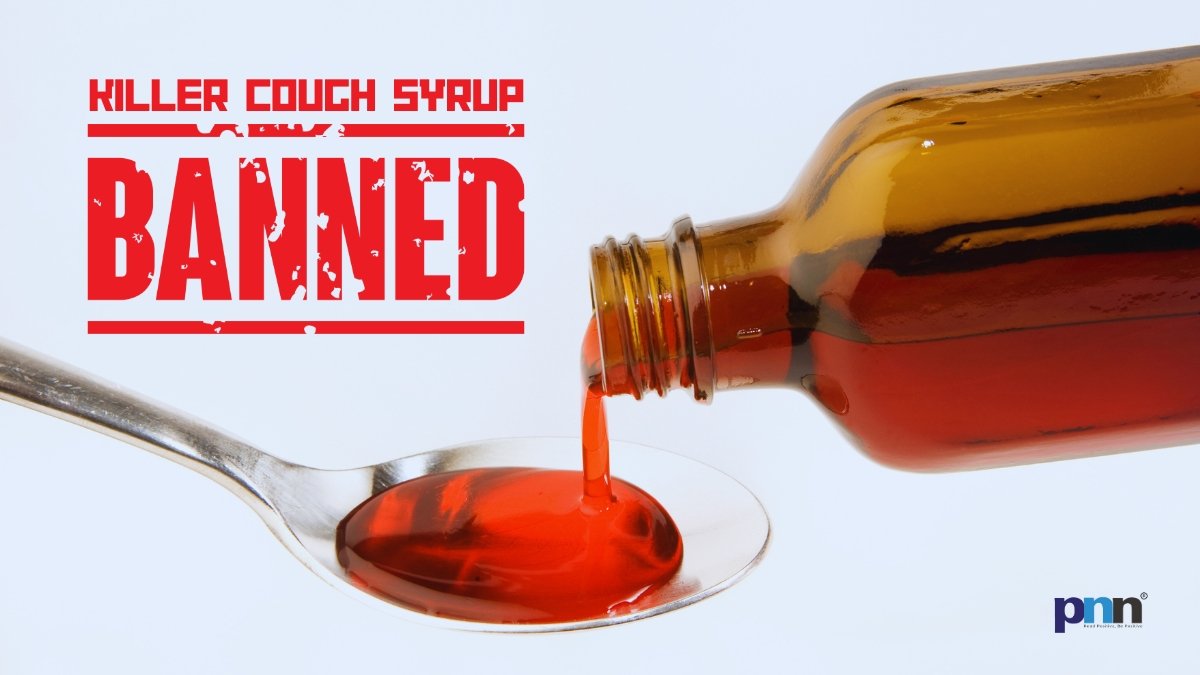
New Delhi [India], October 11: After 20 child deaths in Madhya Pradesh, Delhi banned the killer cough syrup Coldrif. But this tragedy is now driving India’s biggest clean-up of its drug manufacturing ecosystem in years.
A Tragedy That Triggered a Reckoning – Killer Cough Syrup
Sometimes it takes a crisis to wake up a system. The deaths linked to Coldrif cough syrup, manufactured by Sreesan Pharmaceuticals in Tamil Nadu, have done just that.
Investigators found 48.6% diethylene glycol, a toxic industrial solvent, in samples, hundreds of times above the safety limit. The same chemical has caused tragedies abroad. But this time, India didn’t shrug and move on.
Within days, Delhi, Kerala, Punjab, Tamil Nadu, and Uttar Pradesh banned the syrup. The Union Health Ministry launched a national crackdown on substandard formulations. And for the first time in a long time, the drug regulators and state governments are acting in sync.
Swift Action, Not Silence
The Delhi Drugs Control Department issued a public ban on October 10, declaring Coldrif “Not of Standard Quality” and “injurious to health.”
The order directed every pharmacy, distributor, and citizen to stop sale and use immediately.
Instead of the usual bureaucratic limbo, this was a clear, fast response, backed by states across India. Delhi led, others followed. That’s what good governance looks like.
Behind the Numbers, Human Stories
Every reform story begins with pain. Parents in Parasia, Madhya Pradesh, still carry photos of the children they lost. They went to trusted local doctors, seeking a simple cure for cough and fever. What they got instead was tragedy.
But their grief is now driving change. It has pushed regulators, doctors, and manufacturers into one urgent question: how did toxic solvents end up in a children’s syrup, and how do we make sure it never happens again?
India’s Drug System Under the Microscope
The answer lies in India’s layered but fragmented regulatory system.
The Central Drugs Standard Control Organisation (CDSCO) approves new drugs and oversees imports, while state regulators handle manufacturing licenses. That’s a lot of moving parts, and sometimes, too many blind spots.
The good news? Those gaps are finally being filled.
Following the Coldrif incident, CDSCO chief Dr. Rajeev Singh Raghuvanshi issued a directive on October 7 to all States and Union Territories: test all raw materials, excipients, and finished drugs thoroughly under the Drugs Rules, 1945.
It’s not just talk. States are now conducting joint audits, modernising testing labs, and creating a national database of manufacturers. The goal: traceability from factory to pharmacy, every batch logged, every bottle accountable.
Accountability Without Delay
In Tamil Nadu, the source state, action was swift and decisive. The government suspended two senior drug inspectors and cancelled Sreesan Pharma’s license. The factory, located near Kancheepuram, was sealed after inspections found over 300 quality violations.
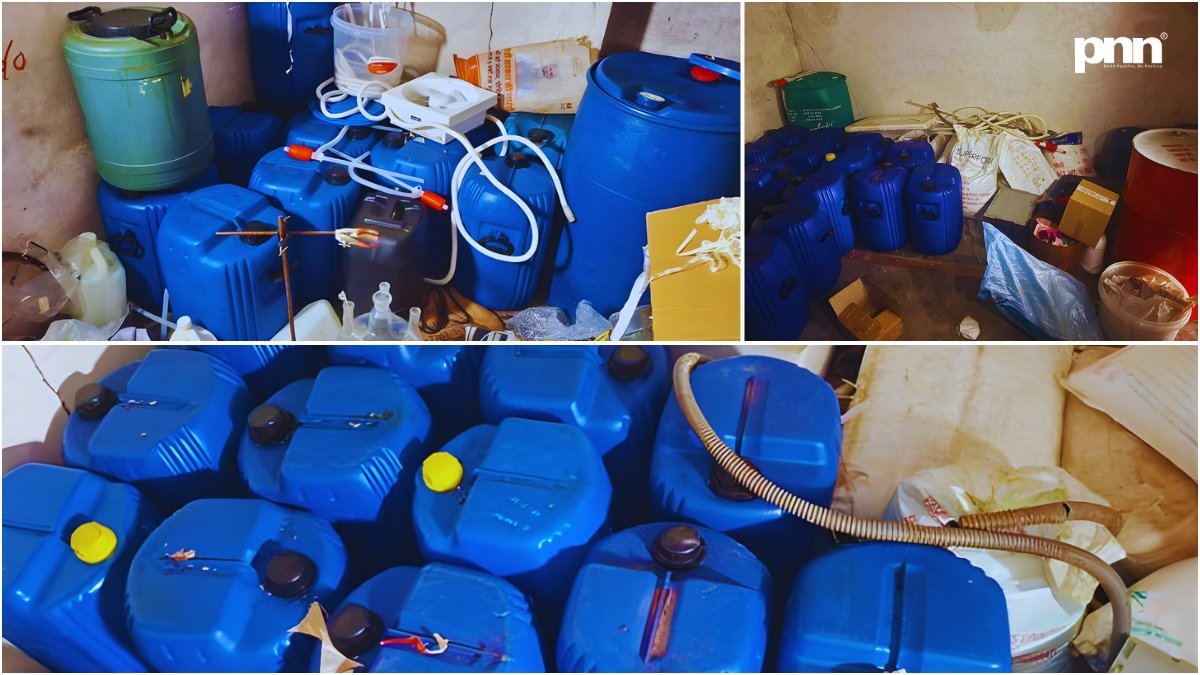
The company’s proprietor, G. Ranganathan, was arrested on October 9. Investigations revealed that the manufacturer had used non-pharmacopoeial grade solvents, likely contaminated with diethylene glycol.
This time, the message from regulators was clear: Cutting corners is no longer cheap, it’s criminal.
A Reform Moment for Indian Pharma
India’s pharmaceutical industry is one of the world’s largest, supplying affordable medicine to over 200 countries. But incidents like Coldrif remind us that scale must be matched with safety.
The Central and State governments are now using this as a pivot point.
- Nationwide audits of cough syrup makers have begun.
- The World Health Organization has been formally notified of the recalls.
- New guidelines for continuous quality monitoring are being implemented.
Industry leaders are also stepping up. Several pharma associations have begun internal compliance checks and training drives for small and medium manufacturers, a move that could reshape India’s pharmaceutical credibility globally.
From Crisis to Course Correction
To be fair, India has faced diethylene glycol scares before, in 1986, and again in 2022 when exported syrups caused child deaths abroad. Each time, the system promised reform.
This time, it’s delivering.
The new joint regulatory audit model, backed by the Health Ministry and CDSCO, ensures every state shares accountability. The Ministry is also pushing for AI-based tracking of manufacturing and distribution chains, something that can identify red flags before they hit pharmacy shelves.
That’s not damage control, that’s evolution.
Ground-Level Vigilance
In Madhya Pradesh, over 4,000 frontline workers, ASHAs, nurses, and Anganwadi staff, have been conducting door-to-door checks to seize leftover bottles of Coldrif. As of October 10, more than 540 bottles have been recovered and destroyed safely.
This people-first approach shows the system learning from past mistakes. It’s no longer just about punishment, it’s about prevention.
A Global Reputation at Stake, and Strengthened
India’s “pharmacy of the world” tag comes with immense responsibility. When something goes wrong here, it echoes globally. But the Coldrif case could end up reinforcing India’s seriousness about safety rather than undermining it.
By moving fast, auditing openly, and owning the problem, India is showing that transparency is its strongest antidote.
As one senior CDSCO official put it, “We can’t control every mistake. But we can control how fast we fix it.”
Stronger, Cleaner, Safer
The Coldrif ban is not just about a single syrup; it’s about the system’s reset.
From Delhi’s ban to Tamil Nadu’s crackdown, from DCGI’s directives to on-ground vigilance, India’s drug oversight is entering a new era of accountability. The tragedy that began in Parasia may well become the turning point that made Indian medicine safer for everyone.