




Mumbai (Maharashtra) [India], January 16: There was a time when consumer technology begged for attention. Flashy screens, exaggerated promises, gadgets designed less for living rooms and more for keynote applause. CES 2026 didn’t bother with that energy. It walked in, surveyed the room, and started rearranging daily life without asking permission.
This year’s most telling revelation wasn’t a single device—it was a mood shift.
Innovation no longer wants to be admired. It wants to be useful, preferably without you noticing. And if that sounds comforting and mildly unsettling at the same time, congratulations—you understood CES 2026 perfectly.
Robots climbed stairs without applause. Smart homes learned routines without being asked. Laptops thought ahead so users wouldn’t have to. And somewhere between AR-assisted lighting tools and donation-ready mobility robots, one truth became painfully clear: AI has stopped flirting with convenience and started a committed relationship with control.
The Slow Death Of “Smart” As A Buzzword
The term smart has been abused for years. Smart TVs that required PhDs to navigate. Smart homes that froze because someone sneezed near the router. CES 2026 quietly retired the buzzword and replaced it with something less marketable but far more dangerous: reliability.
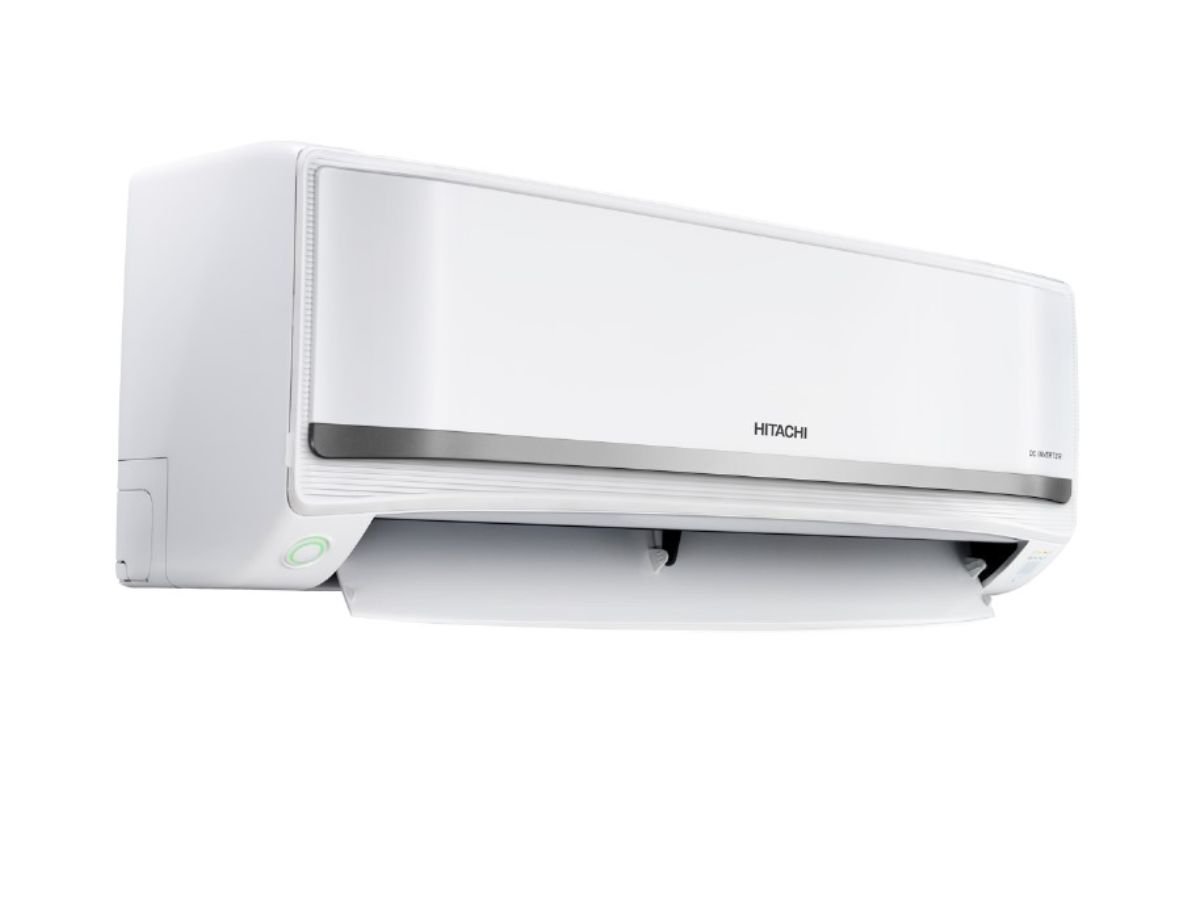
Smart living this year wasn’t about voice commands or novelty automation. It was about systems that predict behavior, adjust environments, and reduce friction without demanding emotional investment. Lights that adapt based on circadian rhythm data. Climate systems that respond to occupancy patterns rather than schedules. Security systems that identify anomalies, not just motion.
It sounds utopian until you remember: prediction requires observation. And observation, at scale, has consequences.
Devices That Don’t Ask — They Anticipate
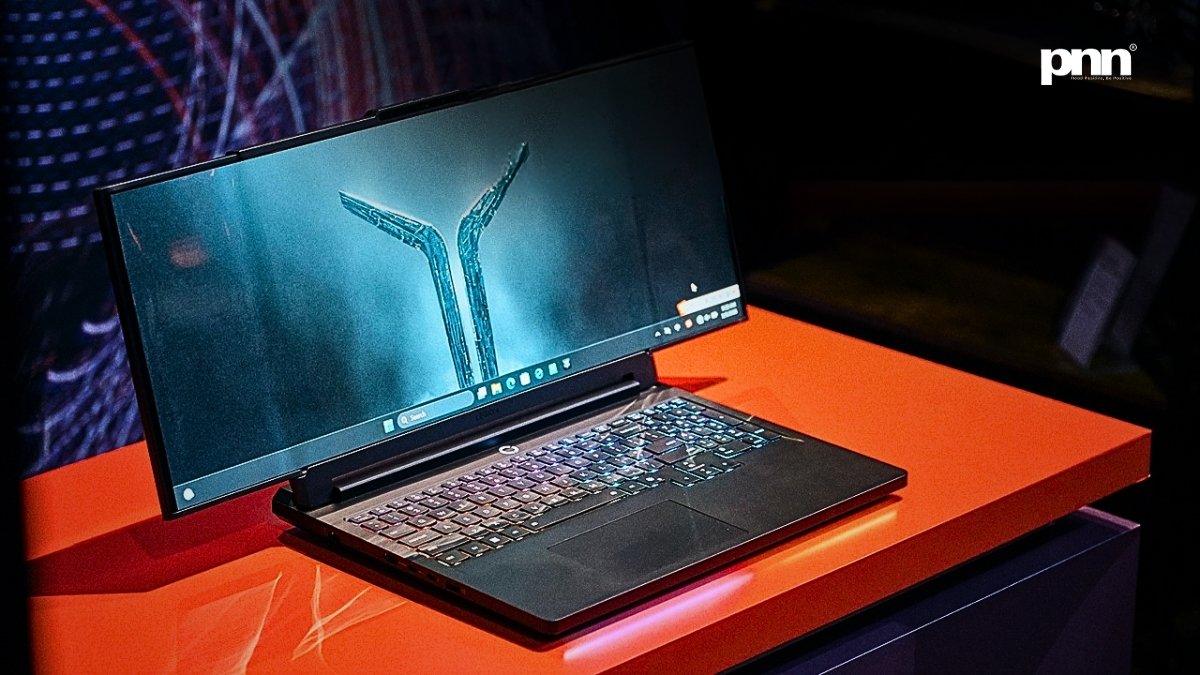
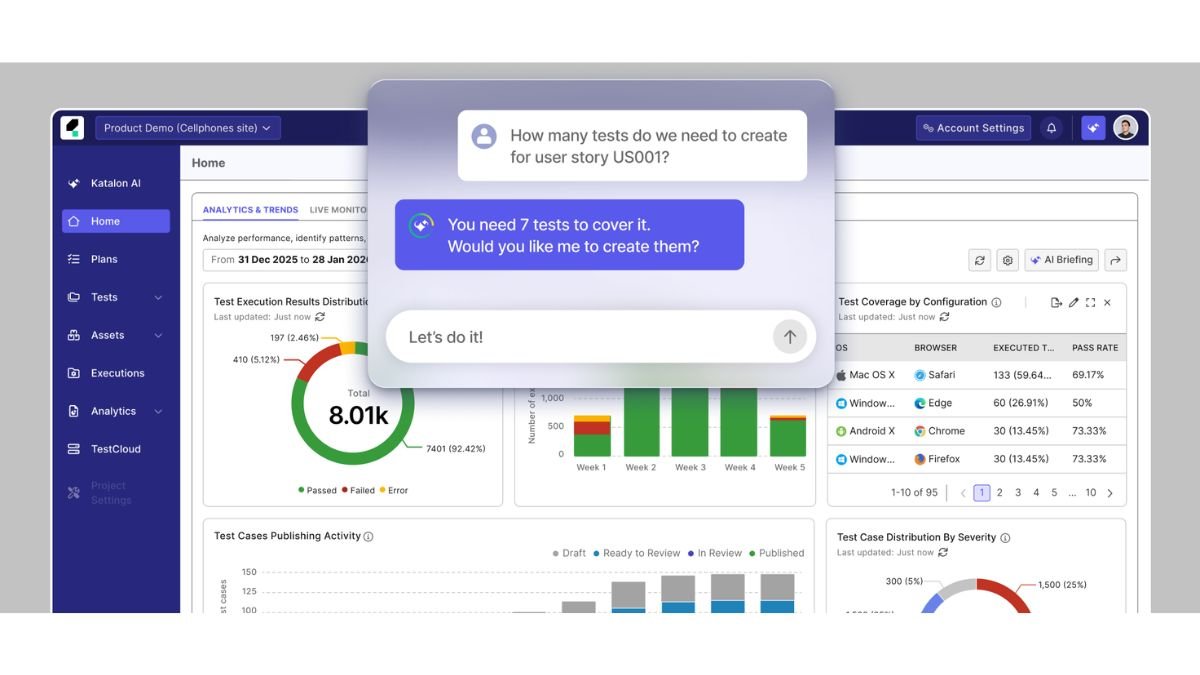
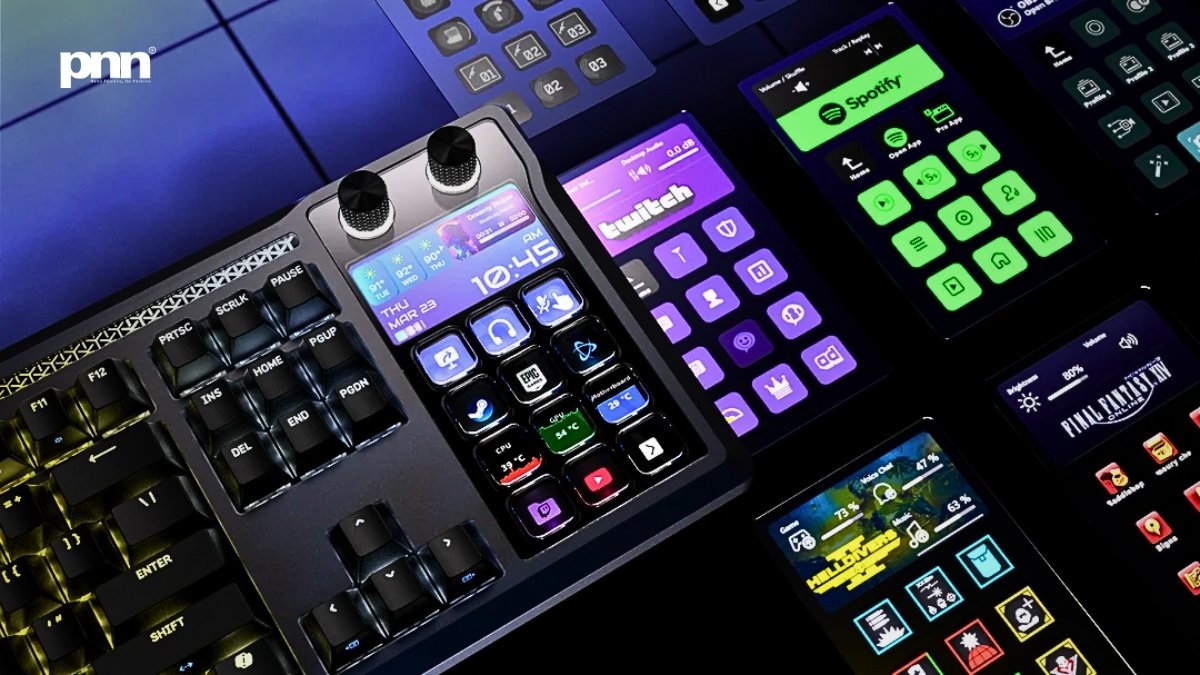
Among the most discussed consumer devices were AI-powered laptops and hybrid computing systems that operate less like tools and more like collaborators. These machines aren’t faster because of raw hardware alone; they’re faster because they decide what matters before you do.
Tasks are prioritised. Energy consumption is optimised. Performance adapts based on behavior history. In controlled tests, these systems demonstrated measurable gains in efficiency, battery longevity, and workflow management—particularly in creative and enterprise environments.
From a PR lens, this is gold. From a human lens, it raises an eyebrow.
When devices begin anticipating needs, they also begin shaping them. Convenience becomes subtle influence. Efficiency becomes quiet dependency.
Smart Homes That Finally Behave Like Homes
CES 2026 also marked a turning point for domestic technology. Instead of selling control panels and apps, companies focused on invisible intelligence. Homes that learn without being trained. Systems that adjust without manual input. Technology that disappears into routine.
Highlights included:
Adaptive lighting systems enhanced by AR calibration tools, allowing precision placement and mood mapping.
Energy management platforms capable of reducing household consumption by double-digit percentages over time.
Integrated safety systems combining environmental sensors, predictive alerts, and automated responses.
The upside? Lower bills, safer homes, fewer decisions.
The downside? Homes are no longer passive spaces. They are data environments.
Robots That Climb Stairs — And Moral High Ground
Perhaps the most quietly radical devices at CES 2026 were mobility-focused robots designed for accessibility and assistance. Some are built to navigate multi-level spaces without retrofitting infrastructure. Others are intentionally designed to be donated—a concept that sounds noble until you realise it also functions as brand positioning at scale.
These robots target aging populations, mobility-impaired users, and disaster-response scenarios. Early pilots show meaningful improvements in independence and safety. Manufacturing costs, while decreasing, remain significant—placing these solutions just on the edge of mass accessibility.
PR loves the optics. Society loves the intention. The question remains whether affordability will follow empathy.
When AI Becomes The Background Noise Of Life
The unifying thread across devices and smart living at CES 2026 was not intelligence—it was integration. AI is no longer presented as a feature. It’s the operating context.
From lighting systems to laptops, from homes to assistive robotics, automation is now assumed. The conversation has shifted from “what can it do?” to “how much should it decide?”
This is where optimism meets discomfort.
Pros:
Increased efficiency across consumer environments
Reduced cognitive load for users
Improved accessibility and inclusivity
Measurable sustainability gains
Cons:
Escalating privacy concerns
Data dependency becoming normalized
Reduced human agency in micro-decisions
Rising cost barriers for premium integration
The future is smoother. It’s also less transparent.
The Business Reality Beneath The Polished Surfaces
Behind the polished demos and minimalist booths lies a hard economic truth: smart living is expensive to build, test, and maintain. Development budgets for AI-integrated consumer products have ballooned over the last few years, with companies investing heavily in long-term ecosystems rather than one-off sales.
Margins depend on scale. Scale depends on trust. And trust, once broken, is notoriously difficult to debug.
CES 2026 reflected this tension. The optimism was real. So was the caution.
A PR Narrative That Knows When To Whisper
What made CES 2026 effective wasn’t noise—it was restraint. Messaging avoided utopian overreach. Claims were grounded. Language leaned toward partnership rather than domination. This wasn’t a sales pitch. It was reassurance.
The subtext was clear: We know you’re wary. We are too.
That self-awareness may be the smartest feature on display.
Where Smart Living Actually Goes From Here
CES 2026 didn’t answer every question. It reframed them.
Smart living is no longer about gadgets. It’s about governance—of data, decisions, and dependency. The technology is ready. Society is still negotiating terms.
And maybe that’s the most honest outcome of all.