




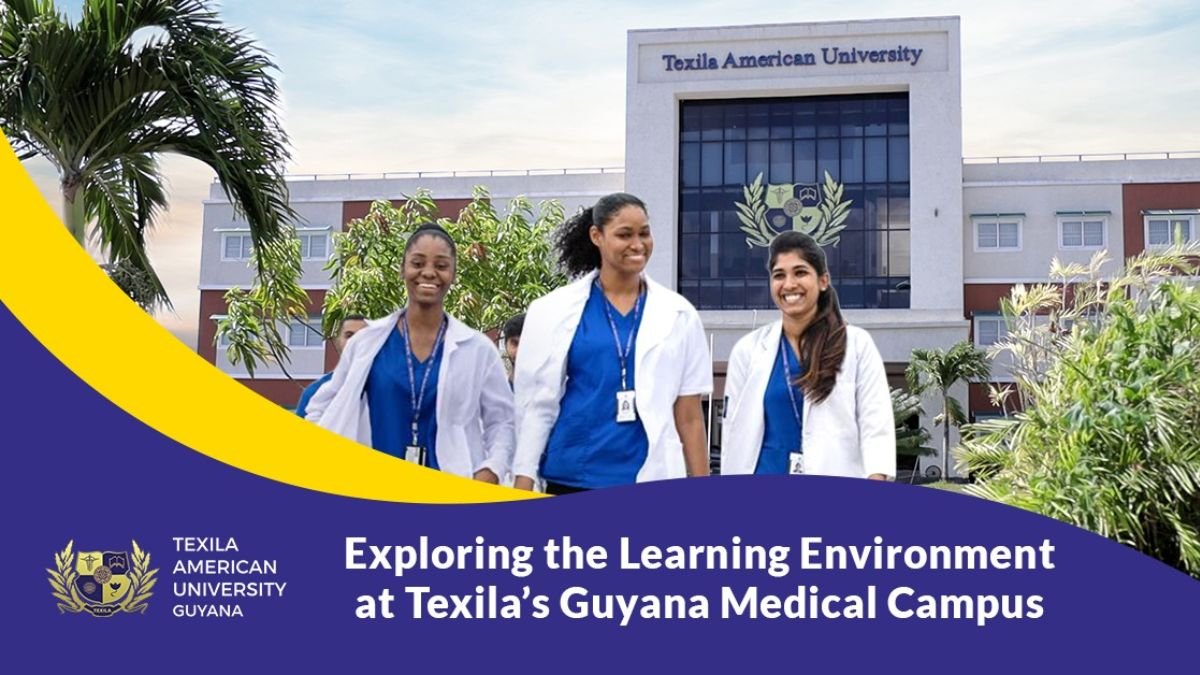
New Delhi [India], March 24: Medical education is often discussed in terms of degrees, examinations, and professional outcomes. Yet behind these measurable milestones lies another important factor: the learning environment where future doctors are trained. The atmosphere of a medical campus, the way students interact with faculty, the exposure they receive in laboratories and hospitals, and the diversity of their peers all shape how they develop as healthcare professionals.
At Texila American University, the Guyana campus provides a setting where academic discipline, international diversity, and practical medical training come together. Rather than focusing solely on classroom instruction, the campus environment reflects a broader effort to prepare students for the responsibilities and realities of modern medical practice.
A Campus Built Around Medical Training
Walking through Texila’s Guyana campus, it becomes clear that the environment has been structured specifically to support medical education. Laboratories, lecture halls, learning spaces, and student facilities are arranged in a way that supports both academic study and practical learning. Medical training requires more than theoretical instruction, and the campus infrastructure reflects that requirement.
Laboratories play a central role in the early stages of medical education. Students spend considerable time studying anatomy, physiology, and other foundational sciences that form the basis of clinical practice. Access to laboratories and learning resources allows them to observe and understand complex biological systems before they begin interacting with patients.
Libraries and digital learning platforms complement this environment. Medical education relies heavily on continuous reading and reference material, and access to journals, textbooks, and research databases helps students remain connected to current medical knowledge.
A Multinational Student Community
One of the defining characteristics of the Guyana campus is its international student population. Students arrive from different parts of the world, bringing with them varied cultural backgrounds, languages, and healthcare perspectives. This diversity shapes daily academic life in ways that extend beyond lectures.
Classroom discussions often include viewpoints influenced by different healthcare systems. A conversation about public health or patient care might include perspectives from multiple countries, allowing students to consider medical challenges from more than one angle. This exposure helps broaden their understanding of how healthcare operates globally.
Living and studying alongside peers from other cultures also builds important interpersonal skills. Medical professionals frequently work in diverse teams and treat patients from varied backgrounds. Learning to communicate effectively and respectfully across cultures becomes an essential part of medical training.
Faculty Engagement Beyond the Lecture Hall
Faculty members at Texila’s Guyana campus play roles that go beyond traditional classroom teaching. In many cases, educators serve as mentors, academic guides, and professional role models. Students interact with faculty during lectures, laboratory sessions, discussions, and academic consultations.
This level of interaction supports a learning environment where questions are encouraged, and guidance is accessible. Medical education can be demanding, and having faculty members who engage with students regularly helps maintain academic focus and confidence.
Many faculty members bring experience from different healthcare systems and academic institutions. Their perspectives often enrich classroom discussions, providing insights into clinical practices and professional expectations in various parts of the world.
Learning That Connects Theory and Practice
Medical education requires students to bridge the gap between theoretical knowledge and clinical application. At Texila’s Guyana campus, this transition begins gradually during the academic program. Early coursework focuses on understanding the scientific principles that underpin medicine.
As students progress, they begin to apply this knowledge through clinical exposure and practical learning. Observing patient care, understanding diagnostic processes, and interacting with healthcare professionals help students see how classroom concepts translate into real medical decisions.
This connection between theory and practice is central to the learning environment. Rather than treating academic study and clinical experience as separate stages, the campus culture encourages students to view them as interconnected elements of medical training.
The Role of Technology in Medical Learning
Technology has become a vital component of modern medical education, and Texila integrates digital resources into the student learning experience. Learning management systems provide students with convenient access to course materials, assignments, and academic resources. Digital libraries and online research databases provide access to current medical literature. This exposure helps students develop habits of evidence-based learning, encouraging them to explore new research and stay informed about developments in medicine.
Technology also supports communication between students and faculty. Online platforms make it easier to share feedback, discuss academic questions, and manage coursework efficiently.
Life Beyond the Classroom
While academic training remains the central focus, campus life also contributes to the overall learning environment. Student activities, social interactions, and informal discussions often provide opportunities to reflect on academic experiences and build lasting professional relationships.
Living in Guyana exposes students to a new cultural and geographic setting. For many international students, studying in the Caribbean region represents their first experience living abroad. Adjusting to a different environment encourages independence, adaptability, and resilience.
These personal qualities often become just as important as academic knowledge in medical careers. Doctors regularly work under pressure, adapt to changing circumstances, and communicate with patients from varied backgrounds. The campus experience helps students begin developing these skills early.
Preparing Students for Professional Responsibility
A medical campus is not only a place of learning but also a place where professional habits begin to form. Students are expected to approach their studies with discipline, responsibility, and respect for the ethical standards of healthcare.
At Texila’s Guyana campus, the academic structure encourages this mindset. Regular assessments, clinical exposure, and interaction with faculty reinforce the idea that medical education carries significant responsibility. Students gradually begin to see themselves not just as learners but as future healthcare professionals.
This shift in perspective is an important part of the learning environment. Understanding the impact of medical decisions and patient care prepares students for the seriousness of their future roles.
A Learning Environment Shaped by Purpose
Every medical campus develops its own character, shaped by its students, faculty, and institutional philosophy. At Texila’s Guyana campus, the learning environment reflects a commitment to academic discipline, international collaboration, and practical medical training.
Students studying here experience more than a sequence of lectures and examinations. They participate in a structured environment where knowledge, clinical exposure, cultural exchange, and professional development intersect. For many aspiring doctors, this environment becomes the foundation on which their medical careers are built.
By combining academic rigor, an international student community, and practical learning opportunities, Texila’s Guyana campus provides an environment where future doctors can begin developing the skills and perspective required for modern medical practice.
If you object to the content of this press release, please notify us at pr.error.rectification@gmail.com. We will respond and rectify the situation within 24 hours.