




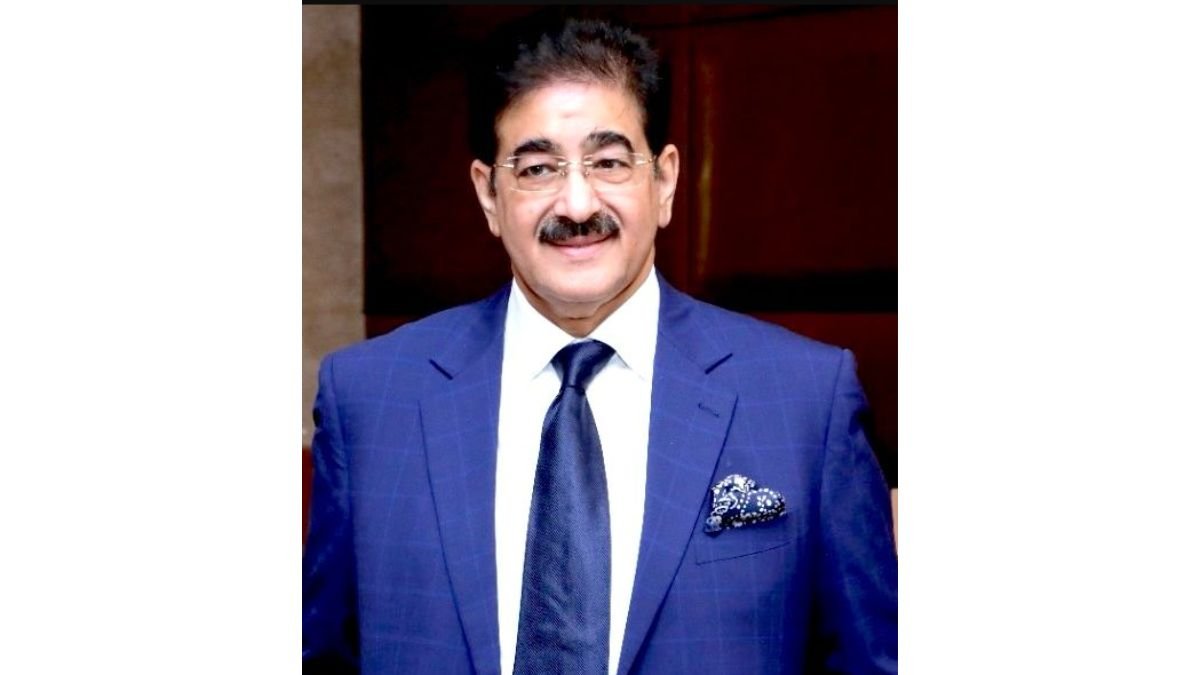

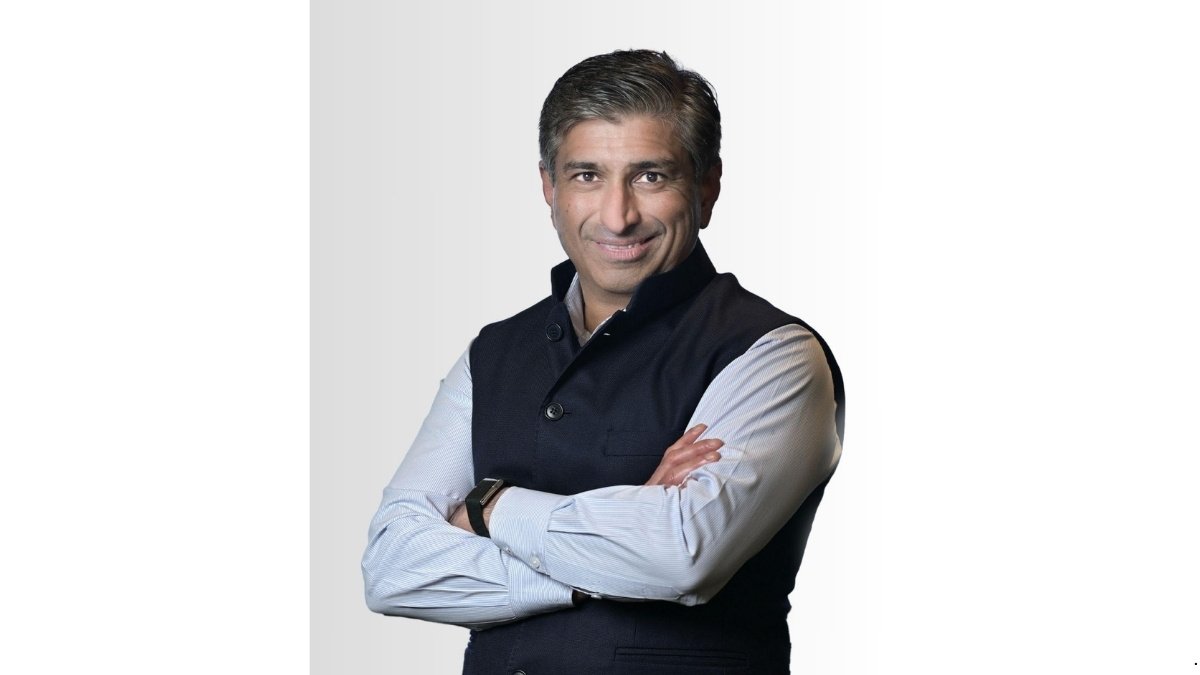
Ratul Puri, Chairman, Hindustan Power
New Delhi [India], August 13: India’s renewable energy story is entering a new phase. Competitive tariff auctions, declining costs and strong investments have helped renewable energy become mainstream. As renewable capacity continues to grow, greater attention is now being given to how this power can be stored, transmitted and delivered when it is needed.
According to Ratul Puri, Chairman of Hindustan Power, India’s energy landscape is undergoing a structural shift from prioritising the lowest cost renewable generation to building a power system that delivers dependable, dispatchable and affordable clean energy. As renewable energy penetration increases, the power sector can no longer remain focused only on adding generation capacity. The emphasis is increasingly on how effectively that capacity can serve the wider power system and meet rising electricity demand. This is particularly relevant as India progresses towards its 2030 non-fossil fuel capacity goals. Renewable energy procurement is therefore gradually moving beyond a lowest tariff approach to one that considers the value of dependable power, balancing capability and long-term system economics.
This also changes how the cost of renewable power needs to be assessed. Evaluating projects solely on tariff competitiveness is no longer sufficient as renewable integration grows. Transmission constraints, intermittency, balancing requirements, storage needs and curtailment risks all have a bearing on the actual cost of delivering power. This makes a lowest systemic cost approach increasingly relevant.
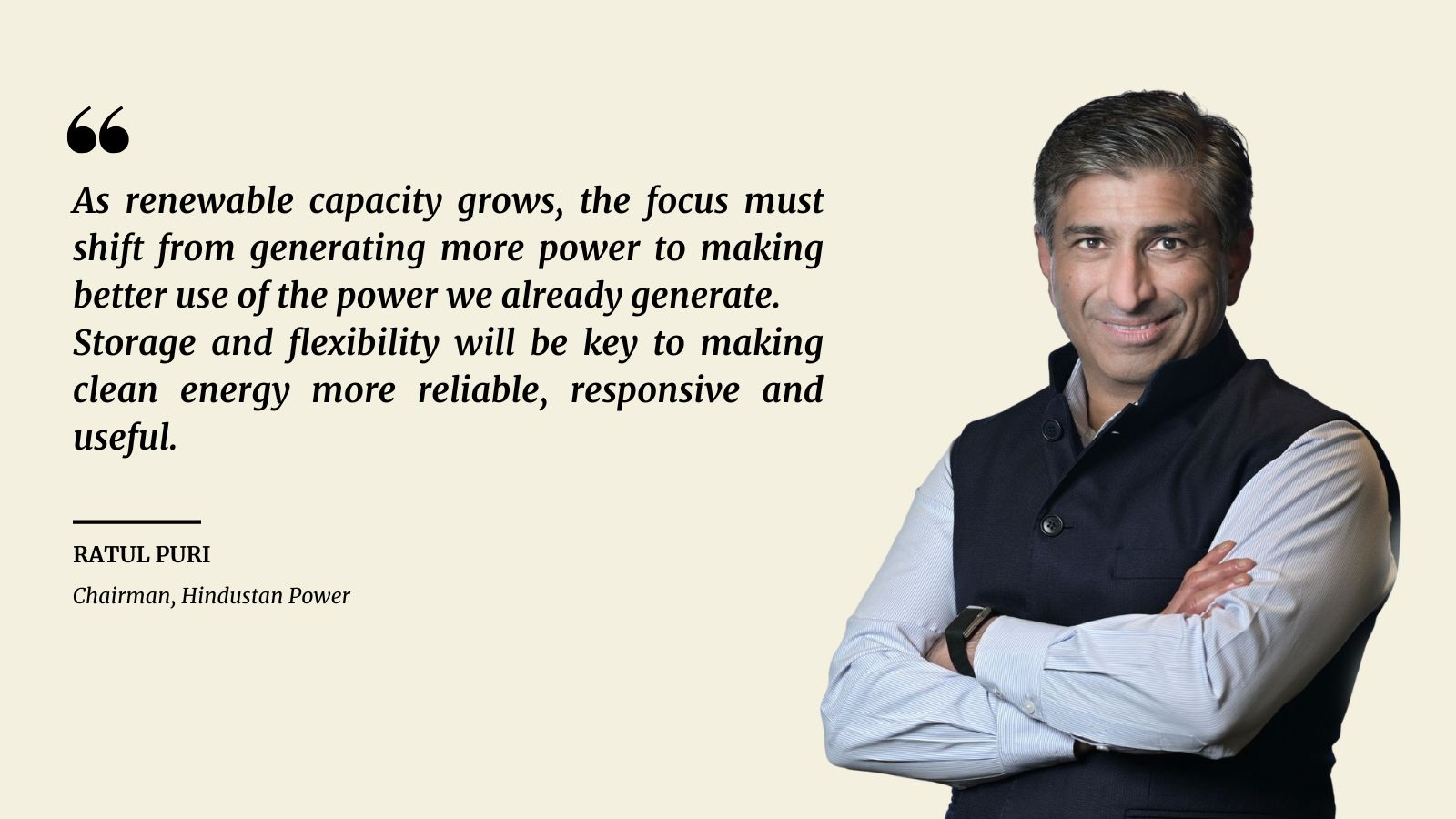
Ratul Puri, Chairman, Hindustan Power
Ratul Puri says that Storage-backed renewable and hybrid projects may carry a higher upfront cost but can reduce pressure on the wider power system, improve the utilisation of renewable energy and strengthen the availability of power when it is needed. Procurement strategies are consequently beginning to place greater value on capacity, operational responsiveness and dependable power delivery alongside competitive pricing. Hybrid projects that combine solar, wind and battery storage are particularly important in this context as they can help meet peak demand while providing reliable and dispatchable clean power. Flexibility services also need greater recognition. These services were traditionally managed through conventional generation and system operations without being explicitly valued. In a power system with increasing renewable penetration, ramping reserves, frequency response and fast response balancing services are becoming essential to manage variability and maintain system performance. Energy storage will be central to this transition. Battery Energy Storage Systems (BESS) and pumped hydro storage can provide the capacity needed to integrate more renewable power by reducing variability, minimising curtailment and improving clean energy utilisation. However, expanding storage deployment will require supportive policy frameworks, faster regulatory approvals, streamlined land and water clearances and continued expansion of storage-linked renewable projects.
Grid readiness remains another serious issue. Several Indian states have significant solar and wind potential, but inadequate transmission infrastructure can delay project connectivity and power evacuation. States therefore need to play a more proactive role in planning and commissioning intrastate transmission networks that are aligned with renewable project timelines and national transmission planning.
Transmission upgrades alone will not be enough. Distribution infrastructure will also need to be strengthened through modern transmission lines, substations and transformers. This will improve renewable energy evacuation, reduce congestion and losses and support the integration of distributed solar power.
Ratul Puri added that a more responsive power system will also require stronger ancillary service markets. Expanding mechanisms for ramping reserves, frequency response and fast response balancing services will help manage renewable variability and enable higher levels of renewable energy penetration.
India’s experience is part of a broader global shift. Countries are increasingly recognising that expanding renewable capacity must go hand in hand with investments in storage, balancing markets and demand side flexibility. Experiences from regions such as the European Union show that higher renewable penetration requires these investments to maintain dependable power supply.
For India, the long term objective is to strike the right balance between renewable energy expansion, system responsiveness and dependable power delivery. The next phase of India’s energy transition will depend on how well we can store clean power and deliver it where and when it is needed. A combination of clean energy generation, energy storage, modern grid infrastructure and efficient market mechanisms will be central to that transition.
About Ratul Puri
Ratul Puri is the Chairman of Hindustan Power, an integrated power generation company with a strong presence in renewable and transitional energy generation. Over the years, Ratul Puri has been involved in the development of large-scale energy infrastructure projects that support India’s growing power requirements and its transition toward cleaner energy sources.
About Hindustan Power
Hindustan Power is an integrated power generation company with a presence across renewable and transitional energy assets. The company continues to invest in energy infrastructure that supports reliability, sustainability and long-term value creation within India’s evolving power sector.
If you object to the content of this press release, please notify us at pr.error.rectification@gmail.com. We will respond and rectify the situation within 24 hours.