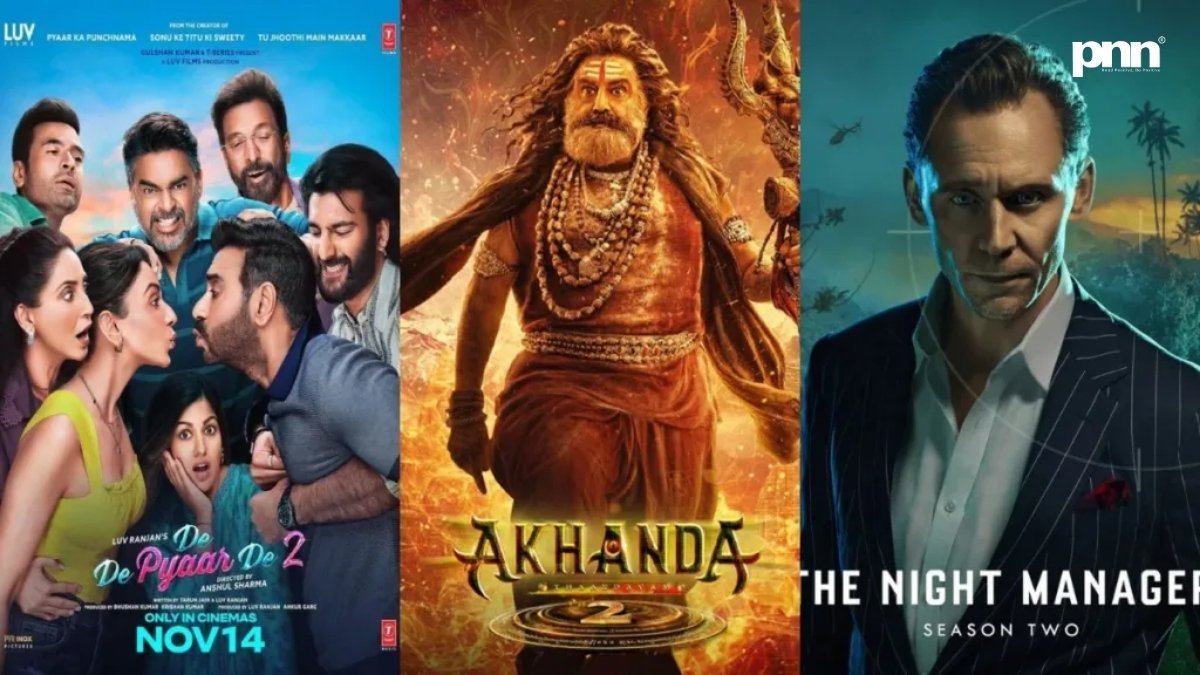







Publicly, audiences are exhausted. Privately, they’re booking seats.
Mumbai (Maharashtra) [India], December 19: Every year, the conversation resurfaces with ritualistic precision: Hollywood is out of ideas. Sequels everywhere. Reboots nobody asked for. Cinematic universes are expanding like unchecked bureaucracy. Social feeds fill with laments about originality, risk, and the death of cinema as an art form.
And then the opening weekend arrives. The same franchises dominate box office charts. The same IP floods streaming “Top 10” lists. The same characters, logos, and storylines continue to outperform almost everything else.
Franchise fatigue, it turns out, is real — just not decisive.
This contradiction isn’t hypocrisy. It’s psychology.
Audiences are not lying when they complain. They are conflicted. They want novelty, but they also want certainty. They crave surprise, but they dislike disappointment. And in an entertainment landscape saturated with choice, familiarity has become its own currency.
Franchises don’t just sell stories. They sell risk reduction.
How Franchises Became the Industry’s Emotional Hedge
The dominance of IP-driven films didn’t emerge from creative laziness alone. It emerged from structural pressure.
As production budgets climbed into the hundreds of millions and global marketing campaigns ballooned alongside them, studios lost tolerance for uncertainty. A single theatrical failure now carries consequences far beyond box office embarrassment: investor confidence, platform subscriber churn, licensing deals, and long-term IP valuation all sit on the same balance sheet.
Franchises offer insulation.
They arrive with:
Built-in awareness
Pre-existing fanbases
Merchandising ecosystems
International recognisability
In an era where attention is fragmented and theatrical windows are shorter, those advantages are not cosmetic — they’re existential.
The Audience Paradox: Complaint as Participation
Here’s the uncomfortable truth: complaining about franchises has become part of the consumption ritual.
Audiences critique trailers, argue about canon, dissect casting choices, and announce fatigue months before release — and then show up anyway. Sometimes out of loyalty. Sometimes out of curiosity. Sometimes, because after a long week, predictability feels merciful.
This isn’t passive consumption. It’s engaged fatigue.
Franchises invite debate, not just viewing. They occupy cultural space in a way that original films often struggle to achieve without awards or controversy. The noise itself becomes marketing.
Original cinema has to earn attention.
Franchises inherit it.
Comfort Franchises VS Creative Ambition
This is where the conversation usually turns moral — unfairly.
Original films still exist. They still break through. But they do so under harsher conditions. Smaller marketing budgets. Limited theatrical runs. Faster transitions to streaming. Less forgiveness for missteps.
Franchises, by contrast, are allowed to be uneven. One weak instalment doesn’t kill the brand; it becomes a “course correction.” Creative risks are spread across phases, not concentrated in a single release.
From a studio perspective, this isn’t cowardice. It’s portfolio management.
Is Hollywood Creatively Bankrupt — OR Strategically Cautious?
The answer, inconveniently, is neither and both.
Creativity hasn’t vanished. It’s been reallocated.
Risk has shifted away from theatrical tentpoles and toward:
Limited series
Streaming originals
Independent and international cinema
Genre experimentation outside blockbuster frameworks
Theatres, meanwhile, have become showcases for certainty. Big screens amplify spectacle, not ambiguity. That’s not a judgment — it’s a business reality shaped by ticket prices, consumer expectations, and competition from home viewing.
Studios aren’t abandoning originality. They’re containing it.
The Money Still Tells The Story
Despite periodic dips, IP-driven films continue to account for a disproportionate share of global box office revenue. A small number of franchise titles routinely generate billions in annual ticket sales worldwide, while also feeding streaming libraries, merchandise lines, and long-tail licensing.
Streaming platforms reflect the same pattern. Franchise films and series consistently rank among the most-watched content, driving subscriber retention even when critical reception is mixed.
Audiences may complain — but they still congregate where the cultural gravity is strongest.
The Downside Nobody Markets
Franchise dominance comes with costs.
Creative homogenisation is real. Visual language flattens. Narrative risk narrows. Emerging filmmakers struggle to access scale. Mid-budget original films find fewer theatrical homes.
There’s also exhaustion within the system itself. Talent burnout. Audience disengagement between releases. Event fatigue when “epic” becomes routine.
Studios know this. They’re not oblivious. But pulling back too far risks destabilising the entire ecosystem that funds experimentation elsewhere.
It’s a delicate imbalance — and one that favours caution over courage.
The Current Moment (late 2025)
As of now:
Franchises still dominate theatrical and streaming charts
Original films succeed, but unevenly and often quietly
Studios are doubling down on IP while trimming excess
Audiences remain conflicted, vocal, and complicit
Fatigue hasn’t killed franchises. It has simply made them work harder to justify their existence.
Final Thought
Franchises keep winning not because audiences are unimaginative — but because certainty is comforting in an unpredictable world.
Original cinema isn’t dead. It’s just no longer the industry’s default bet.
And until audiences start rewarding risk as reliably as they reward recognition, Hollywood will continue doing what it has always done best:
Listening carefully — and following the money.