





New Delhi [India] September 2: In the face of increasing water scarcity, climate change, and rising demand, organisations and municipalities worldwide are looking for ways to make their water management systems more resilient. Such strategies consist of implementing water use efficiency and, specifically, comprehensive water audits, which have proven to be critical in identifying the drains in terms of water utilisation inefficiencies and what measures can be put in place to cut back on the water consumption needed. These tools not only help tackle the problem of water loss surveys but also have been proven by many organisations, regardless of their size, to enhance water management, health, economic optimization, and sustainability. Also, the skills gap in the water management sector is filling due to the new plumbing curriculum developed by the Indian Plumbing Association (IPA) and the All India Council for Technical Education (AICTE), thus ensuring sustainability and efficiency in water practices.
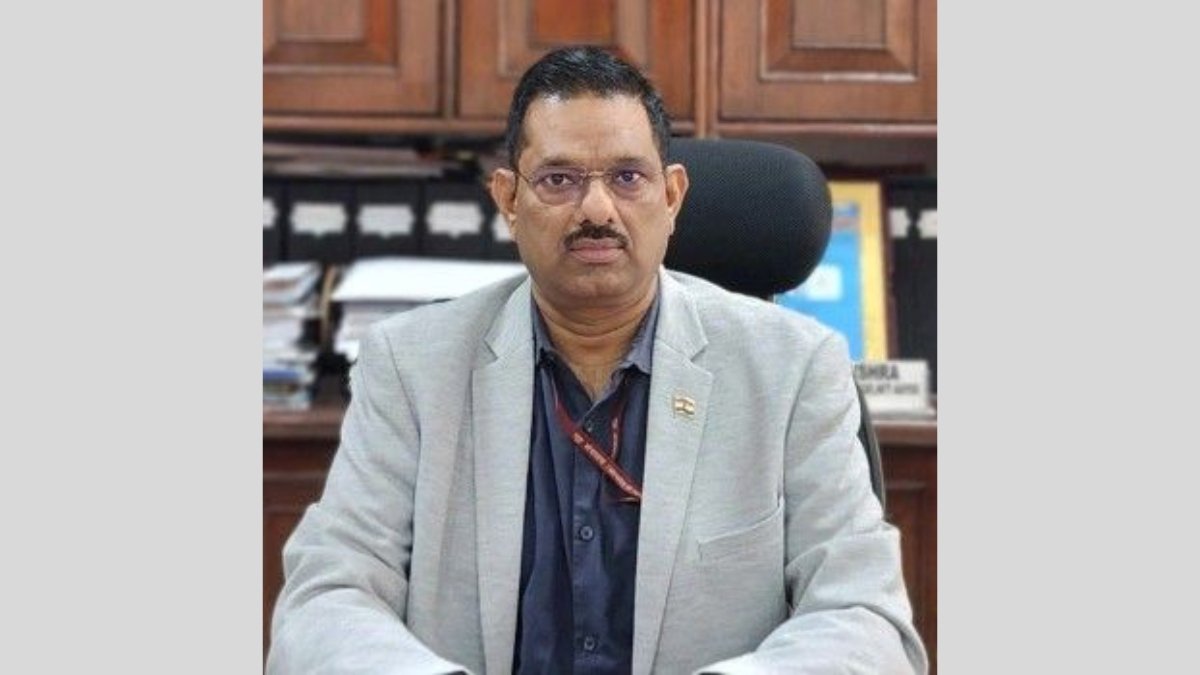
Mr. Avinash Mishra, Chairman of the Water Audit Council (an initiative of the Indian Plumbing Association), shares his insightful views on Comprehensive Water Audits.
How can comprehensive water audits contribute to building resilience in water management systems?
-Among the most important ways in which a detailed water audit may contribute to making a water management system resilient would be with an improved understanding of consumption patterns, inefficiencies, leak detection, and the scope for improvement. Such audits will allow organisations and municipalities to identify leaks and losses from the water distribution system, maintain proper water pressure and flow rate, identify high consumers so that conservation efforts can be focused on those areas, and assess existing water-conserving measures. Water audits can help in the make-up of more resilient and adaptable water management systems in challenges like drought, increasing populace, and climate change. The audit further suggests the strategies for water conservation and reuse in a data-driven manner and priorities in infrastructure upgrades and maintenance, ultimately leading to more sustainable and resilient water management practices and financial gains.
What are the key benefits of conducting water audits for organisations of different sizes and sectors?
-Water audits have several other advantages over different business sectors and sizes. Among the smaller businesses, they provide reduced water bills and lower operational costs by ensuring compliance with the local water regulations and enhancing the reputation of an environmentally responsible entity. Large corporations can be provided huge cost savings through improved water efficiency, better management of risks associated with the lack of water, and strengthened corporate social responsibility initiatives. Some of the benefits to municipalities are more effective servicing of water resources, reduced loads at water treatment facilities, and enhanced long-term planning for water infrastructure. Water audits can achieve optimised irrigation practices in agriculture, reduce water wastage and associated costs, and promote increased crop yields through more efficient uses of available water. The institution can provide a platform for practical experience in learning water conservation, which would reduce utility costs and make resources available for other areas. Therefore, the water audit exercise gives valuable insights that improve efficiency, cost savings, and sustainability across all sectors.
How can water audits help identify and address hidden water losses within a system?
-Water audits help in searching for hidden losses through several approaches. These may include meter accuracy testing, which identifies faulty or inaccurate meters under-registering water usage; leak detection by special equipment to find underground leaks not visible overground; and pressure management analysis to assess whether excessive pressure is putting unnecessary stress and leading to leaks. Night flow analysis—a measure of the water used when there is generally little flow—is useful for detecting possible leaks or unauthorised use.
Water balance calculations juxtapose water input against accounted-for usage to quantify unaccounted water loss. Analysis at a detailed level within the pipe network could highlight problem areas where pipes leak or break with age, material, or environment. The ability to pinpoint such hidden losses in this way enables organisations to take the appropriate action to repair leaks and replace faulty equipment, thus bringing their overall distribution system up to optimal standards and saving water and funds.
What are the challenges in implementing water audits, particularly in developing regions?
-There are numerous complex issues connected with the implementation of water audits in developing regions: resources are typically scant, which leads to a need for more money to acquire the equipment and qualified personnel who would work with it. The infrastructure may be very poor, wherein the water systems are either old or have not been maintained appropriately to render any correct measurement quite difficult. The data may be limited, and historical records for water use will be unavailable or record-keeping needs to be more reliable to enable effective analysis. These gaps relate to a lack of technical expertise, cultural and social barriers that may result in resistance to change in how water is used or simply not knowing that it is possible to conserve water, and regulatory difficulties such as non-standardized procedures for water auditing or an efficient enforcement mechanism.
Informal water systems and unregulated water sources even further complicate auditing. Political constraints, particularly a lack of political will in the allotment of resources for implementing appropriate technologies, could also be a constraint. Most of these problems can be solved by a healthy mix of building capacities, transferring technology, and making context-specific policy interventions.
How can the new plumbing curriculum developed by IPA and AICTE contribute to improving water management practices?
-The new plumbing curriculum developed by the Indian Plumbing Association and the All India Council for Technical Education can significantly alter water management practices by standardising plumbing education, providing consistency in institutional training and ensuring high quality. It includes the latest technologies that introduce students to water-efficient fixtures and smart systems of water management. Principles of water conservation have also been infused into the core curricular courses by embedding concepts for saving and reusing concepts of water. This module section mainly studies sustainable practices, methodologies for rainwater harvesting, greywater recycling, and other innovation-driven initiatives in the sustainable approaches towards water management domains. Equally important is that the country-specific challenges may also be addressed by designing the content of such courses to India-specific issues on water management. The curriculum also emphasizes professional ethics to develop a sense of responsibility toward this initiative of water conservation among the coming workforce of plumbing professionals. An integrated approach like this could bring about a new generation of plumbers and water management professionals who are able to deliver and sustain better water systems in this country and improve water management practices throughout India.
How can the curriculum help bridge the plumbing and water management skills gap?
– This new curriculum will reduce the deficit in intrinsic skills in the plumbing and water management sector by emphasising practical training to equip graduates with practical abilities and theoretical knowledge.
It addresses industry needs by involving experts from the industry in developing coursework related to the current market trends. Emphasis is placed on problem-solving skills; therefore, students are taken through how to use the skills in the real sense of solving problems related to water management. It encourages acquiring more knowledge during the life of a professional task focusing on changed technologies. It also allows getting into industry partnerships that develop internships or apprenticeship opportunities toward real-world experience. Moreover, it covers all the skills the sector needs at all levels, including technical, managerial, and communication. By addressing these aspects, a good curriculum will turn out to be a well-rounded set of professionals who can take on complex challenges in the plumbing and water management sector, thereby effectively bridging the skills gap already in place.
Water Audit Council, an initiative of the Indian Plumbing Association, offers specialised water audit solutions to various establishments, assisting them in understanding and optimising their water usage patterns. The Water Audit Council aims to promote water conservation and efficiency through comprehensive water audit services tailored for various institutions within India’s built environment.
If you have any objection to this press release content, kindly contact pr.error.rectification@gmail.com to notify us. We will respond and rectify the situation in the next 24 hours.